
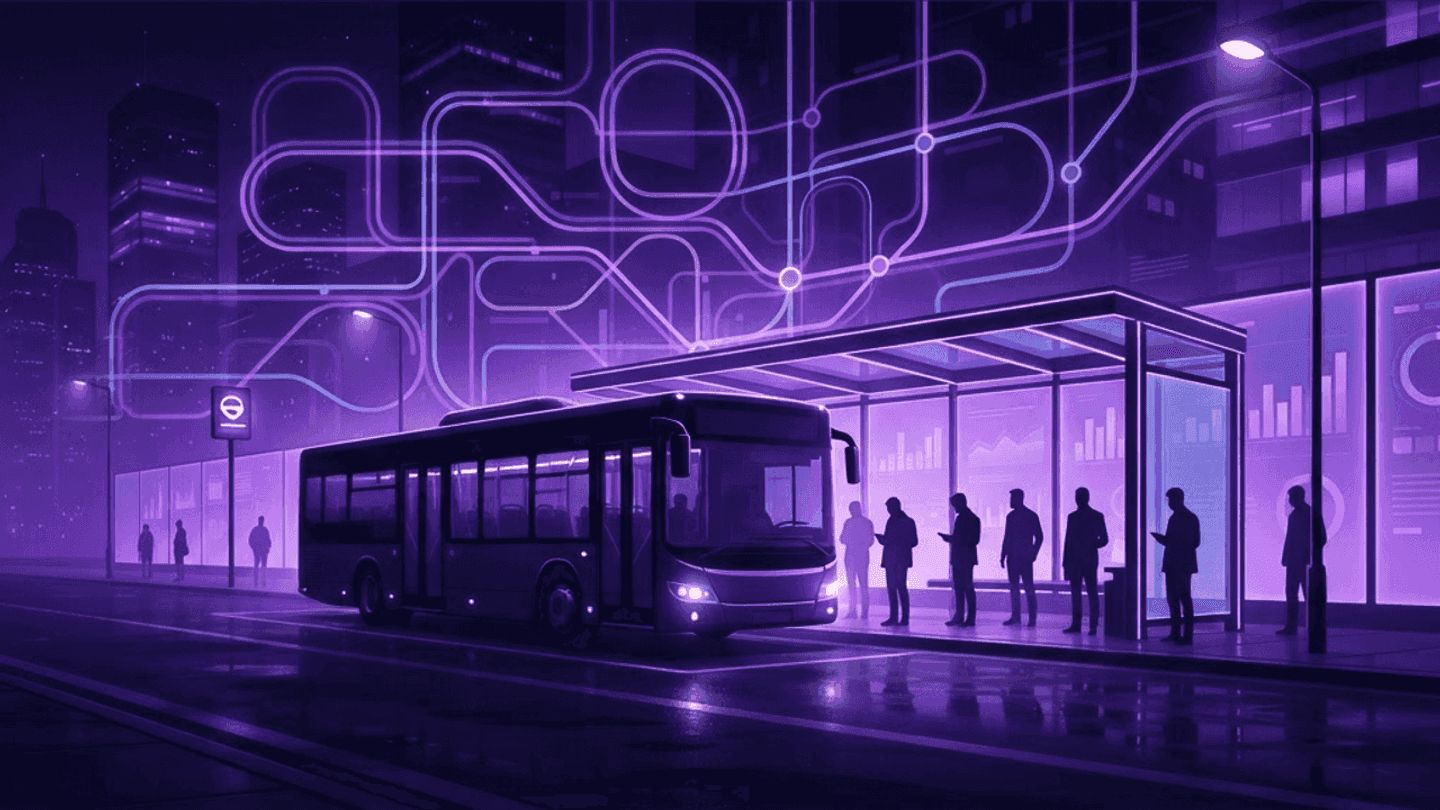
Lexington has spent the past decade steadily improving how people move around without driving. The result is a transit ecosystem that surprises newcomers: a fixed-route bus network covering most of the urban core, university circulators running at high frequency, paratransit serving riders with disabilities, regional connections to surrounding counties, and shared micromobility filling short trips. Understanding how these services interlock makes a car-light life genuinely feasible in much of the city.
Why Transit Matters in Central Kentucky
Lexington's growth has outpaced its road capacity, and the city's unique urban services boundary, designed to protect surrounding farmland, concentrates development rather than allowing indefinite sprawl. That geography is favorable for transit, because density is what makes frequent service financially viable. Transit also addresses equity directly: a substantial share of households cannot afford reliable vehicle ownership, and access to jobs, healthcare, and education depends on public options.
There is an economic dimension too. Employers in healthcare, hospitality, and retail depend on workers who commute by bus, and service reliability affects staffing stability. Several major Lexington employers now subsidize transit passes precisely because it reduces absenteeism and turnover.
Types of Transit Service Available
Fixed-route bus service follows published routes and schedules, forming the backbone of the network. Campus circulators serve university areas with high frequency and free boarding. Paratransit provides door-to-door service for riders unable to use fixed routes, booked in advance. Regional connectors link Lexington with nearby communities for commuters. Shared micromobility, including bikes and scooters, handles short trips and solves the last-mile problem between a bus stop and a final destination. Demand-response microtransit uses smaller vehicles with flexible routing in lower-density areas.
The Top 10 Public Transit Services in Lexington
1. Lextran Fixed-Route Bus Network
The city's primary public transit provider operates the fixed-route network covering downtown, major corridors, shopping districts, medical campuses, and residential neighborhoods. Buses are wheelchair accessible with front-mounted bike racks, and real-time arrival tracking has substantially improved the rider experience by removing schedule guesswork.
2. Lextran On-Demand Microtransit
Serving areas where fixed routes are impractical, this demand-response service uses smaller vehicles booked through an app or phone call. It extends coverage into lower-density neighborhoods without the cost of running large buses on thin ridership.
3. Wildcat Campus Transit
The University of Kentucky's campus shuttle system runs high-frequency loops connecting residence halls, academic buildings, medical facilities, and remote parking. Frequency is the defining feature: when vehicles arrive every few minutes, riders stop consulting schedules entirely, which is the hallmark of genuinely useful transit.
4. Lextran Paratransit Service
Providing origin-to-destination transportation for riders whose disabilities prevent fixed-route use, this service operates with trained drivers, securement equipment, and advance scheduling. For many riders it represents the difference between independence and isolation.
5. Bluegrass Regional Commuter Connect
Linking Lexington with surrounding counties, this commuter service serves workers traveling in from smaller communities. Park-and-ride arrangements at outlying lots reduce highway congestion during peak periods and lower commuting costs considerably.
6. Central Kentucky Vanpool Program
Vanpooling organizes small groups of commuters sharing a vehicle along common routes, with the program handling vehicle provision, insurance, and maintenance. It works particularly well for shift workers at large employment sites where transit schedules do not align with shift changes.
7. Downtown Lexington Circulator
A short-loop service connecting downtown parking, government buildings, the convention district, and dining areas, the circulator serves visitors and downtown workers making midday trips. Frequent, simple routing makes it approachable for people unfamiliar with the broader network.
8. Bluegrass Medical Campus Shuttle
Connecting hospital campuses, clinics, and associated parking, this shuttle serves patients, visitors, and healthcare staff. Medical trips are among the most consequential transit uses, since missed appointments carry real health costs.
9. Fayette Senior Transportation Service
Focused on older adults, this service provides scheduled rides to medical appointments, grocery shopping, and community activities with assistance beyond what standard transit offers. Drivers trained in mobility assistance make it accessible to riders who find regular buses difficult.
10. Lexington Shared Micromobility Network
Rounding out the list, the shared bike and scooter network handles short trips and connects riders between transit stops and final destinations. Integration with transit is what elevates micromobility from novelty to infrastructure, extending the effective walking radius around every bus stop.
Trends Shaping Lexington Transit
Fleet electrification is progressing, with battery-electric buses entering service on routes where charging infrastructure and duty cycles align. Beyond emissions, electric buses are dramatically quieter and smoother, which improves the rider experience in ways that measurably increase satisfaction.
Fare technology is modernizing as well. Contactless payment, mobile ticketing, and fare capping, where riders never pay more than a daily or monthly maximum regardless of trip count, remove barriers for lower-income riders who cannot prepay for passes. Meanwhile, transit signal priority at intersections and dedicated queue jumps are being deployed to improve reliability without expensive new right-of-way.
Making Transit Work for You
Start by mapping your regular trips against the network rather than judging transit by a single inconvenient route. Many residents find that commuting by bus works well even if occasional errands require other options. Combine modes deliberately: bus for the long segment, bike or scooter for the final stretch. Use real-time tracking to eliminate waiting time, and check whether your employer or school offers subsidized passes, since many do.
Give a new route a full two-week trial before judging it, because the first few trips always feel awkward and the learning curve is short. For a growing number of Lexington households, the realistic goal is not eliminating car ownership but reducing to one vehicle, and the transit ecosystem here is now strong enough to make that practical.