
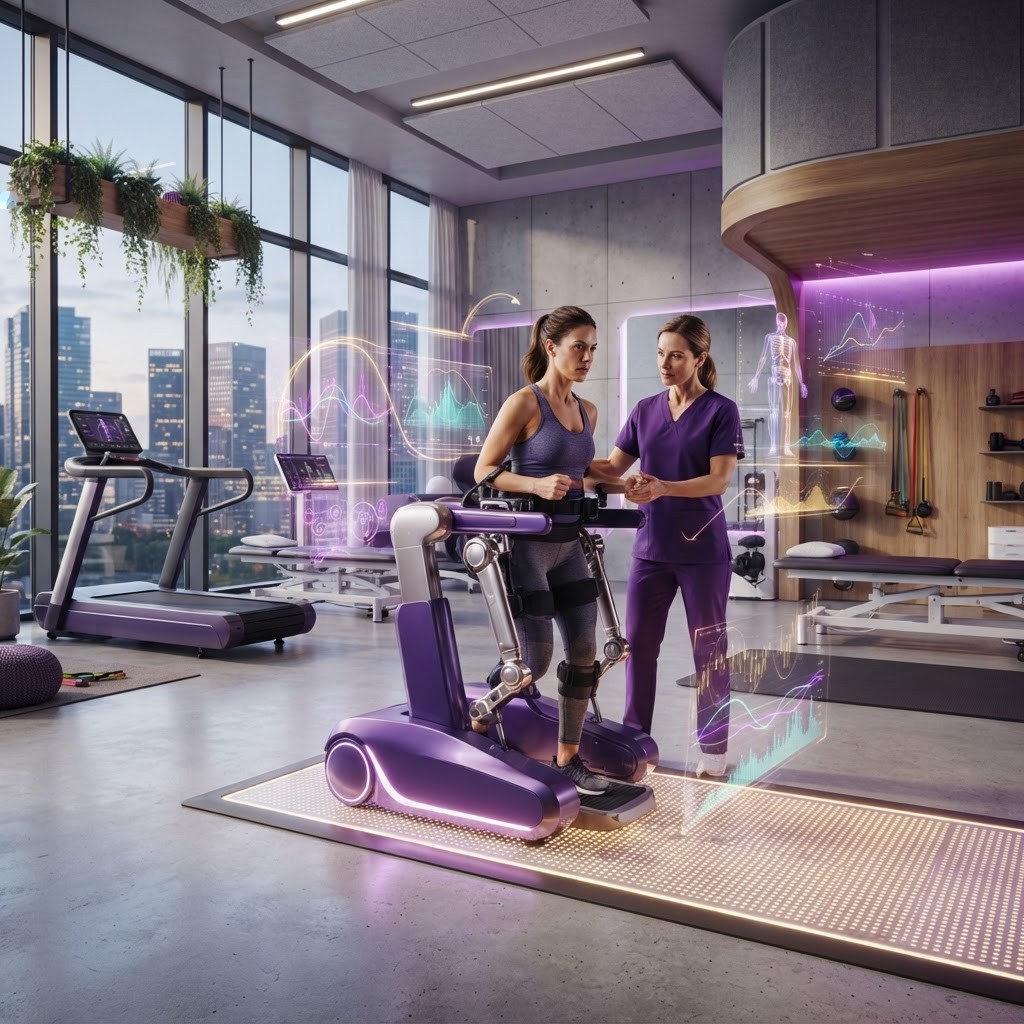
Physiotherapy Excellence in Phoenix
Phoenix's physiotherapy industry encompasses specialized rehabilitation centers addressing injury recovery, pain management, and functional restoration. Physical therapy plays essential roles in orthopedic rehabilitation, neurological recovery, cardiopulmonary management, and chronic disease. Evidence-based treatment approaches combined with innovative technology support optimal outcomes. Leading practices emphasize patient education, active participation, and functional goal achievement. Understanding available services helps patients access care supporting recovery and enhanced quality of life.
Physiotherapy addresses diverse populations from pediatric patients recovering from birth injuries through elderly individuals managing age-related decline. Injury prevention programs support athletes and active individuals. Chronic disease management enables functional independence despite permanent conditions. Surgical rehabilitation accelerates recovery and return to prior activities.
Orthopedic Rehabilitation
Orthopedic physical therapy addresses musculoskeletal injuries and post-surgical rehabilitation. Ligament injuries including anterior cruciate ligament tears receive comprehensive rehabilitation enabling return to sports. Shoulder injuries including rotator cuff tears benefit from progressive strengthening and range of motion exercises. Knee pain including patellofemoral pain syndrome improves through targeted exercises and activity modification.
Post-operative rehabilitation following joint replacement, arthroscopy, or fracture repair accelerates recovery through progressive loading and functional training. Tendonitis management combines relative rest with targeted strengthening. Myofascial pain and trigger point release provide symptom relief. Manual therapy including mobilization and manipulation addresses restricted joints.
Neurological Rehabilitation
Neurological physiotherapy addresses stroke, spinal cord injury, and neurodegenerative diseases. Stroke rehabilitation maximizes recovery through intensive task-specific training. Spinal cord injury management preserves remaining function while developing adaptive strategies. Multiple sclerosis management optimizes mobility and reduces fall risk. Parkinson's disease treatment addresses rigidity, bradykinesia, and gait disturbance.
Vestibular rehabilitation addresses dizziness and balance disorders. Motor control retraining optimizes muscle recruitment patterns. Functional mobility training including transfers and ambulation restores independence. Assistive device training including wheelchairs and walkers enables safe mobility.
Sports Medicine and Athletic Performance
Sports physiotherapy addresses athletic injuries enabling return to competition. Acute injury management including ice, elevation, and compression minimizes swelling. Progressive rehabilitation restores strength, endurance, and sport-specific skills. Injury prevention programs identify risk factors and implement preventive strategies. Performance enhancement through training optimization and technique refinement supports athletic goals.
Concussion management includes baseline testing and graduated return-to-play protocols. Overuse injury prevention addresses training errors and biomechanical deficiencies. Sport-specific conditioning prepares athletes for competitive demands. Team athletic trainer relationships ensure continuity throughout season.
Cardiopulmonary Rehabilitation
Cardiac rehabilitation following myocardial infarction, coronary intervention, or heart surgery supports safe return to activities. Supervised exercise training under cardiac monitoring optimizes cardiovascular adaptation. Education regarding medications, dietary modification, and stress management supports lifestyle change. Risk factor modification reduces future cardiac events.
Pulmonary rehabilitation addresses chronic obstructive pulmonary disease, asthma, and other respiratory conditions. Exercise training improves functional capacity and dyspnea tolerance. Breathing retraining and energy conservation techniques enhance daily function. Anxiety and depression management addresses common psychological sequelae.
Manual Therapy and Hands-On Techniques
Skilled manual therapy provided by experienced physiotherapists addresses restricted joints and tissues. Joint mobilization and manipulation improve range of motion. Soft tissue mobilization including myofascial release addresses muscle tension. Proprioceptive neuromuscular facilitation enables recruitment of weak muscles. Manual traction addresses nerve root compression. These techniques require extensive training and technical skill.
Manual therapy combined with exercise produces superior outcomes compared to either approach alone. Treatment dosing and progressivity require clinical judgment based on response. Regular reassessment ensures appropriateness and effectiveness.
Pain Management and Chronic Disease
Chronic pain management through physiotherapy addresses persistent pain conditions including fibromyalgia, chronic regional pain syndrome, and persistent post-surgical pain. Graded exercise therapy gradually increases activity tolerance. Pacing strategies prevent boom-bust cycles of activity and symptom flare. Pain neuroscience education reduces catastrophizing and fear-avoidance.
Arthritis management through exercise and activity modification preserves function and reduces progression. Osteoporosis management through weight-bearing exercise and stability training reduces fracture risk. Obesity management through supervised exercise improves metabolic health and mobility.
Pelvic Health Physiotherapy
Pelvic floor physiotherapy addresses incontinence, pelvic pain, and sexual dysfunction. Urinary incontinence management through pelvic floor strengthening restores continence. Pelvic pain assessment identifies contributing factors enabling targeted treatment. Prenatal physiotherapy prepares for labor. Postpartum physiotherapy restores pelvic floor function and abdominal recovery.
Prostate health following surgery or disease addresses erectile dysfunction and incontinence. Sexual health counseling addresses physical and psychological factors. Male pelvic floor dysfunction management improves symptoms and function.
Vestibular and Balance Rehabilitation
Balance rehabilitation reduces fall risk and restores functional independence. Vestibular training addresses dizziness through progressive habituation exercises. Proprioceptive training improves position sense. Visual-motor coordination training enhances automatic responses. Environmental modifications including home safety assessment reduce fall hazards.
Elderly fall prevention programs addressing multiple risk factors reduce injurious falls. Vision, balance, strength, and medication review identify modifiable risk factors. Assistive device prescription including walkers and canes provides appropriate support.
Therapeutic Exercise Programming
Evidence-based exercise prescription forms treatment foundation. Progressive resistance training builds strength. Aerobic conditioning improves cardiovascular and respiratory function. Flexibility training addresses restricted range. Proprioceptive training improves position sense and dynamic stability. Sport-specific training prepares for activity demands. Home exercise programs ensure compliance and progress between sessions.
Exercise dosage including frequency, intensity, duration, and type guides effective programming. Regular reassessment enables appropriate progression. Barriers to compliance receive problem-solving attention ensuring adherence.
Technology and Modalities
Modern physiotherapy centers employ various modalities supplementing manual therapy and exercise. Electrotherapy including transcutaneous electrical nerve stimulation and interferential current provides pain relief. Ultrasound therapy addresses soft tissue healing. Cold laser therapy reduces inflammation and promotes healing. Shockwave therapy addresses tendinopathy. These modalities provide adjunctive treatment optimizing outcomes.
Movement analysis technology including force plates and motion capture systems enables objective assessment of movement quality. Biofeedback enables real-time awareness of movement patterns facilitating correction. Virtual reality systems engage patients in enjoyable treatment activities.
Conclusion and Center Selection
Phoenix's exceptional physiotherapy centers provide specialized rehabilitation supporting recovery and enhanced function. Request physician referral specifying condition and functional goals. Verify center and therapist credentials including licensure and relevant certifications. Schedule initial consultation assessing therapist communication style and treatment approach compatibility. Participate actively in rehabilitation through home exercise compliance. Realistic goal setting enables satisfaction and motivation. Phoenix's physiotherapy infrastructure ensures residents have access to quality rehabilitation supporting optimal recovery and long-term function.