
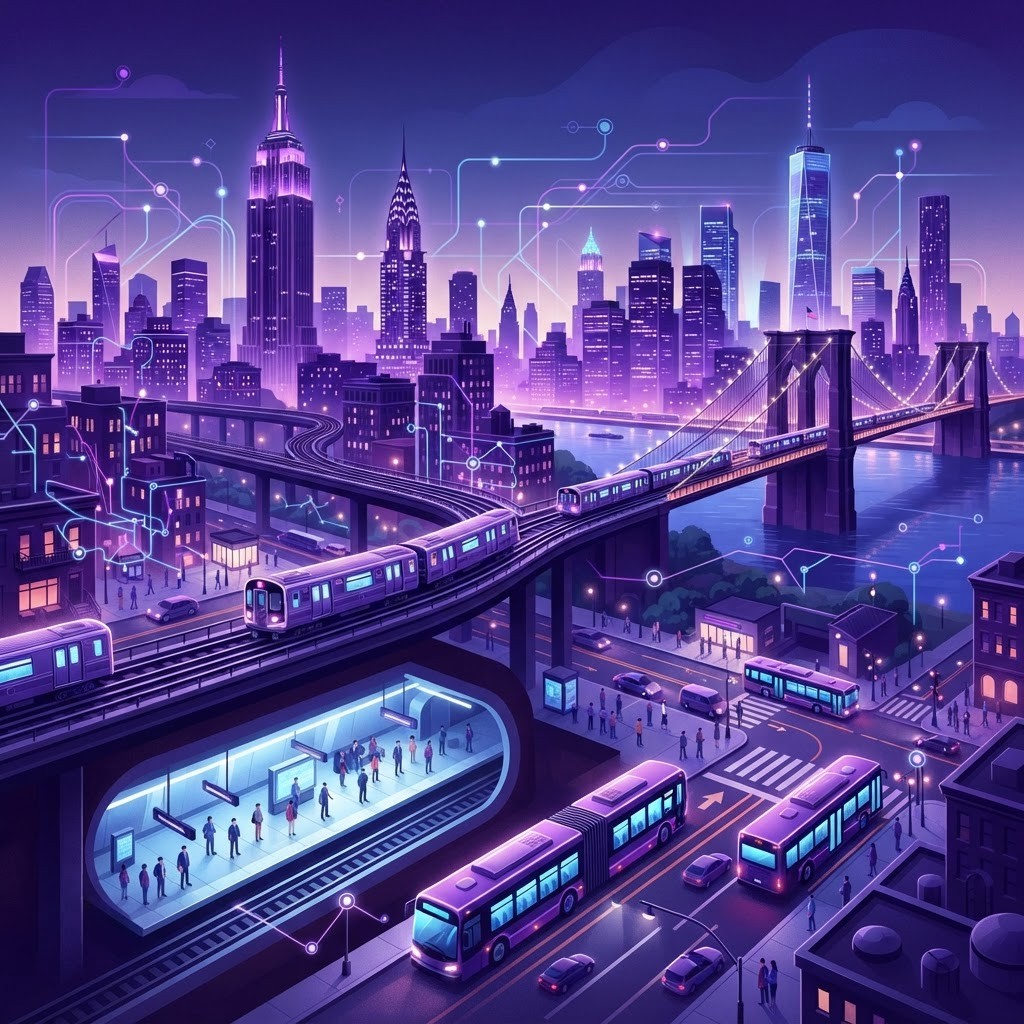
The World's Most Iconic Transit Network
Few cities depend on public transit as heavily as New York. The subway, buses, ferries, and commuter rail together form one of the most extensive transit networks on the planet, carrying millions of riders every day. For residents and visitors alike, public transit is often the fastest, most affordable, and most practical way to navigate the city. The best transit services combine reach, frequency, and reliability to keep New York accessible around the clock, playing an essential role in the city's economy and daily life.
What Makes Transit Service Exceptional
Excellent public transit is measured by coverage, frequency, reliability, and accessibility. Riders value services that arrive on time, run frequently, and connect seamlessly with other modes. Clean, safe stations and vehicles enhance the experience, while clear signage and real-time information help riders plan their journeys. Affordability keeps transit accessible to all, and accessibility features ensure that people of all abilities can travel with dignity and ease.
The Top 10 Public Transit Services in New York
1. New York City Subway is the backbone of urban mobility, running 24 hours a day and reaching every borough it serves.
2. MTA Bus Service complements the subway with extensive routes that reach neighborhoods rail cannot.
3. Staten Island Ferry offers a free, scenic commute between Staten Island and Manhattan.
4. NYC Ferry connects waterfront communities with a growing network of routes across the harbor and rivers.
5. PATH Train links New York and New Jersey with frequent, reliable rapid transit.
6. Long Island Rail Road brings commuters from Long Island into the heart of the city.
7. Metro-North Railroad serves the northern suburbs with dependable commuter service.
8. Select Bus Service speeds up travel on busy corridors with dedicated lanes and off-board fare payment.
9. Roosevelt Island Tramway provides a unique aerial connection with impressive city views.
10. Access-A-Ride Paratransit ensures that riders with disabilities can travel throughout the city with dedicated support.
Connecting the City and Beyond
New York's transit network excels at connecting diverse modes into a cohesive system. Subway stations link to bus routes, ferries meet with local transit, and commuter rail feeds into the urban core. This integration allows riders to travel from distant suburbs to Midtown, or from one borough to another, with relative ease. Unified fare systems and coordinated schedules make transfers smoother, encouraging more people to choose transit over private vehicles.
Technology and the Rider Experience
Technology continues to improve how New Yorkers use transit. Contactless fare payment has simplified boarding, while real-time arrival information helps riders plan with confidence. Mobile apps provide trip planning, service alerts, and updates during disruptions. Modernized signaling on the subway improves reliability and capacity. These advances make transit more convenient and user-friendly, encouraging ridership and reducing dependence on cars.
Sustainability and Accessibility
Public transit is inherently sustainable, moving large numbers of people efficiently while reducing traffic and emissions. New York continues to invest in cleaner buses, energy-efficient trains, and infrastructure that supports a greener future. Accessibility remains a priority, with ongoing efforts to add elevators, ramps, and audio-visual announcements. These improvements ensure that transit serves everyone, regardless of ability, and supports the city's environmental goals.
Making the Most of Public Transit
To get the most from New York's transit, riders should familiarize themselves with route maps, service schedules, and available apps. Combining modes, such as subway and ferry, can shorten trips and add variety. Off-peak travel avoids the busiest crowds, while real-time information helps navigate delays. Understanding fare options and passes can also save money for frequent riders. With a little planning, transit becomes a fast and reliable way to explore all the city offers.
Final Thoughts
Public transit defines the rhythm of daily life in New York, connecting people to work, school, and everything the city has to offer. The services highlighted here form a network unmatched in scale and importance. As the city invests in modernization, accessibility, and sustainability, public transit will remain the essential foundation of movement throughout the metropolitan area.