
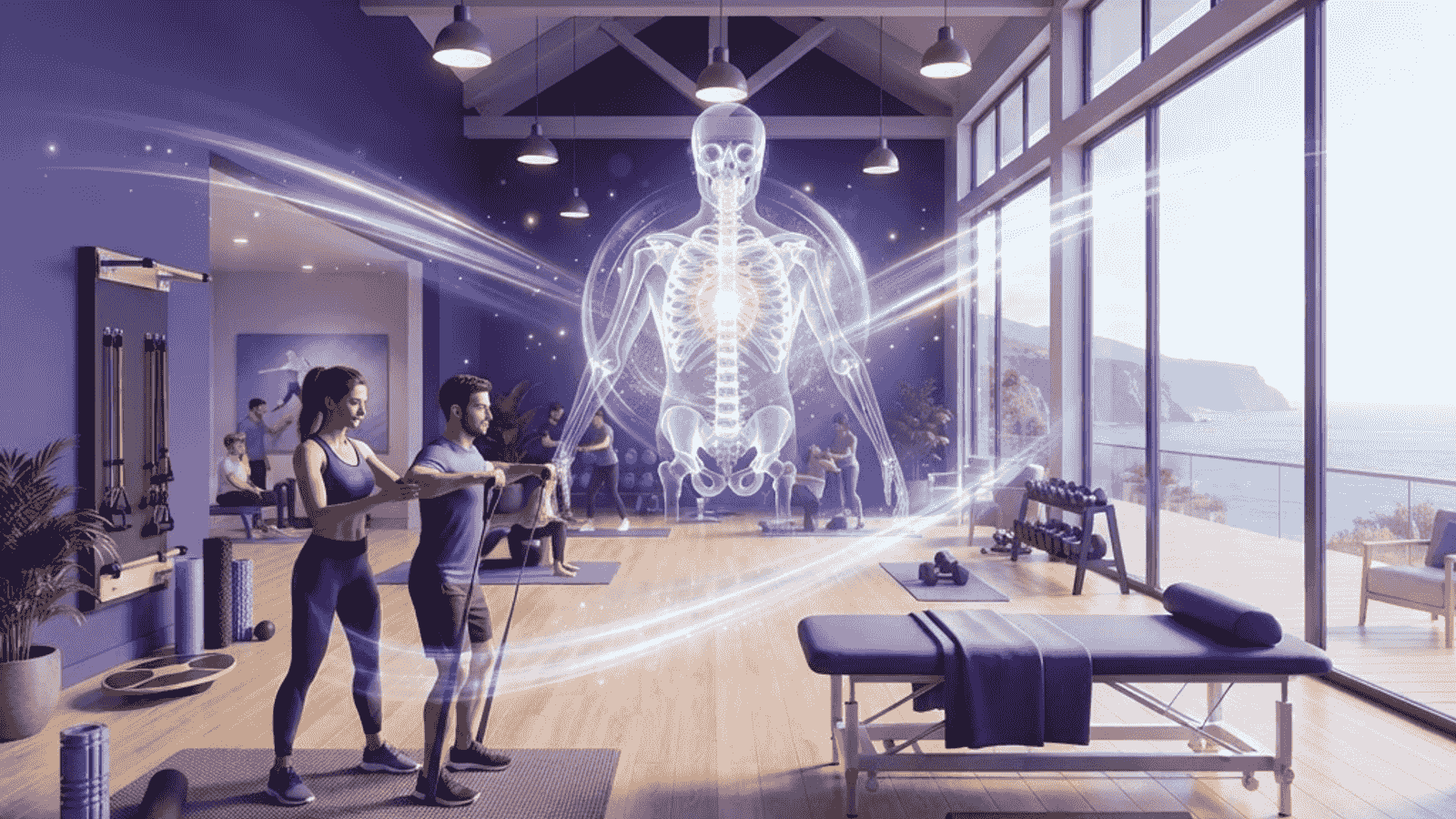
Rehabilitation Is Where Recovery Actually Happens
Surgery and imaging get the attention, but the outcome of most musculoskeletal problems is determined in the rehabilitation phase. A well-executed rotator cuff repair with poor post-operative therapy produces a stiff, weak shoulder. A conservatively managed low back injury with excellent therapy often produces full return to function without any procedure at all. The variable that matters most is frequently the quality of the clinic and the therapist, not the intervention that preceded it.
Oyster Bay's demand profile is distinctive. The hamlet supports an active sailing and boating community with characteristic shoulder and lumbar complaints, a substantial commuting population with postural and cervical issues, competitive youth athletics generating overuse injuries, and a large older cohort managing arthritis, balance decline and post-joint-replacement recovery. Local clinics have specialized accordingly, and the differences between them are real.
Evaluation Approach
Clinics were assessed on therapist credentials and advanced certification, one-on-one treatment time versus aide-supervised exercise, manual therapy skill, use of objective outcome measurement, equipment appropriate to their stated specialty, communication with referring physicians, and patient-reported functional improvement rather than satisfaction alone.
1. Oyster Bay Physical Therapy
The hamlet's established outpatient orthopedic clinic and the benchmark against which residents compare others. Treatment is genuinely one-on-one with a licensed therapist for the full session, which is less common than patients assume. Post-surgical protocols for knee, shoulder and hip are followed rigorously with objective range-of-motion and strength benchmarks rather than time-based progression. Manual therapy skill is high, and communication back to referring surgeons is prompt and detailed.
2. North Shore Sports Rehabilitation
Built for athletes, from high school competitors to adult recreational participants. Return-to-sport testing includes hop testing, force-plate symmetry assessment and sport-specific movement screening rather than a subjective clearance conversation. Anterior cruciate ligament rehabilitation, throwing-shoulder programs, and running gait analysis are core competencies. The clinic's willingness to hold an athlete back until objective criteria are met prevents the reinjury cycle that plagues rushed returns.
3. Locust Valley Orthopedic and Manual Therapy
A practice organized around advanced manual skill, staffed largely by therapists holding orthopedic clinical specialist certification and manual therapy fellowship training. Spinal and peripheral joint mobilization, dry needling, soft tissue mobilization and movement-system diagnosis are the daily work. Patients with persistent problems that generic exercise programs have failed to resolve tend to find their answer here, because the diagnostic reasoning is more precise.
4. Bayville Rehabilitation and Wellness
Serving the peninsula communities with a broad general caseload: orthopedic, post-operative, geriatric and vestibular. Its balance and fall-prevention program is the standout, using computerized posturography and progressive perturbation training to reduce fall risk in older residents. Given that a hip fracture is frequently the beginning of permanent functional decline, this preventive work has outsized value.
5. Syosset Neurological Rehabilitation
Neurological physical therapy requires entirely different expertise from orthopedic care. This center treats stroke recovery, Parkinson disease, multiple sclerosis, traumatic brain injury and spinal cord injury, with therapists certified in intensive amplitude-based Parkinson protocols and constraint-induced movement therapy. Body-weight-supported treadmill training and functional electrical stimulation are available. Progress in neurological rehabilitation is slower and requires a longer therapeutic relationship, and the clinic is structured for that.
6. Glen Head Aquatic Therapy Center
Warm-water therapy at appropriate depth reduces joint loading dramatically while allowing full-range movement, which makes it uniquely suited to severe osteoarthritis, fibromyalgia, obesity-complicated rehabilitation and early post-operative mobilization. This center pairs pool work with land-based progression rather than treating water as an endpoint, which is the correct model. For patients who cannot tolerate weight-bearing exercise, it is often the only route to meaningful conditioning.
7. East Norwich Hand and Upper Extremity Therapy
Certified hand therapy is a distinct specialty covering the hand, wrist, elbow and shoulder. This clinic fabricates custom orthoses on site, manages post-surgical tendon and nerve repair protocols, treats carpal tunnel and cubital tunnel syndrome conservatively, and rehabilitates complex fractures and replantations. Hand rehabilitation is unforgiving of protocol error, and the specialization here is warranted.
8. Mill Neck Pelvic Health and Physical Therapy
Pelvic floor physical therapy addresses conditions that are widespread and rarely discussed: urinary incontinence, pelvic pain, postpartum recovery, diastasis recti, and post-prostatectomy continence. Treatment is provided in private rooms by therapists with specific pelvic health certification. The clinic also runs prenatal and postpartum programs, filling a gap that general orthopedic practices are not equipped to address.
9. Jericho Spine and Posture Institute
Focused on cervical and lumbar spine conditions, this center combines mechanical diagnosis and therapy classification, spinal stabilization training, traction where indicated, and detailed workstation and ergonomic assessment. The ergonomic component is particularly relevant for Oyster Bay's commuting professionals, whose neck and back complaints frequently originate at a desk rather than in a discrete injury. Chronic pain education is integrated rather than treated as an afterthought.
10. Oyster Bay Home Care Therapy Services
Home-based physical, occupational and speech therapy for residents who cannot travel: post-hospitalization patients, those recovering from major surgery, and older adults with significant mobility limitation. Home visits allow therapists to modify the actual environment where function is required, which produces better real-world outcomes than clinic-based training alone. Coverage extends across the Town of Oyster Bay.
Trends in Local Physical Therapy Practice
Direct access has changed the referral landscape; New York permits initial evaluation without a physician referral within defined limits, meaning residents can begin therapy quickly for acute musculoskeletal problems. Objective outcome measurement has largely replaced subjective progress notes, with clinics tracking standardized functional scores. Blood flow restriction training has entered mainstream post-operative practice, allowing strength gains at low mechanical loads. Telerehabilitation persists for appropriate cases, particularly exercise progression and education. And pain neuroscience education has reframed chronic pain treatment away from purely structural explanations.
Choosing and Getting Value From a Clinic
Ask directly how much of each session is spent with a licensed therapist rather than an aide, and how many patients the therapist treats simultaneously. Confirm the therapist's specialty certification matches your condition. Request objective baseline measurements at evaluation so progress is verifiable. Expect a home program and do it, since clinic time alone rarely produces sufficient stimulus. Verify visit limits under your insurance plan early, because running out of authorized visits mid-protocol is a common and avoidable setback. Finally, if six weeks pass without measurable change, that is grounds for reassessment rather than persistence.