
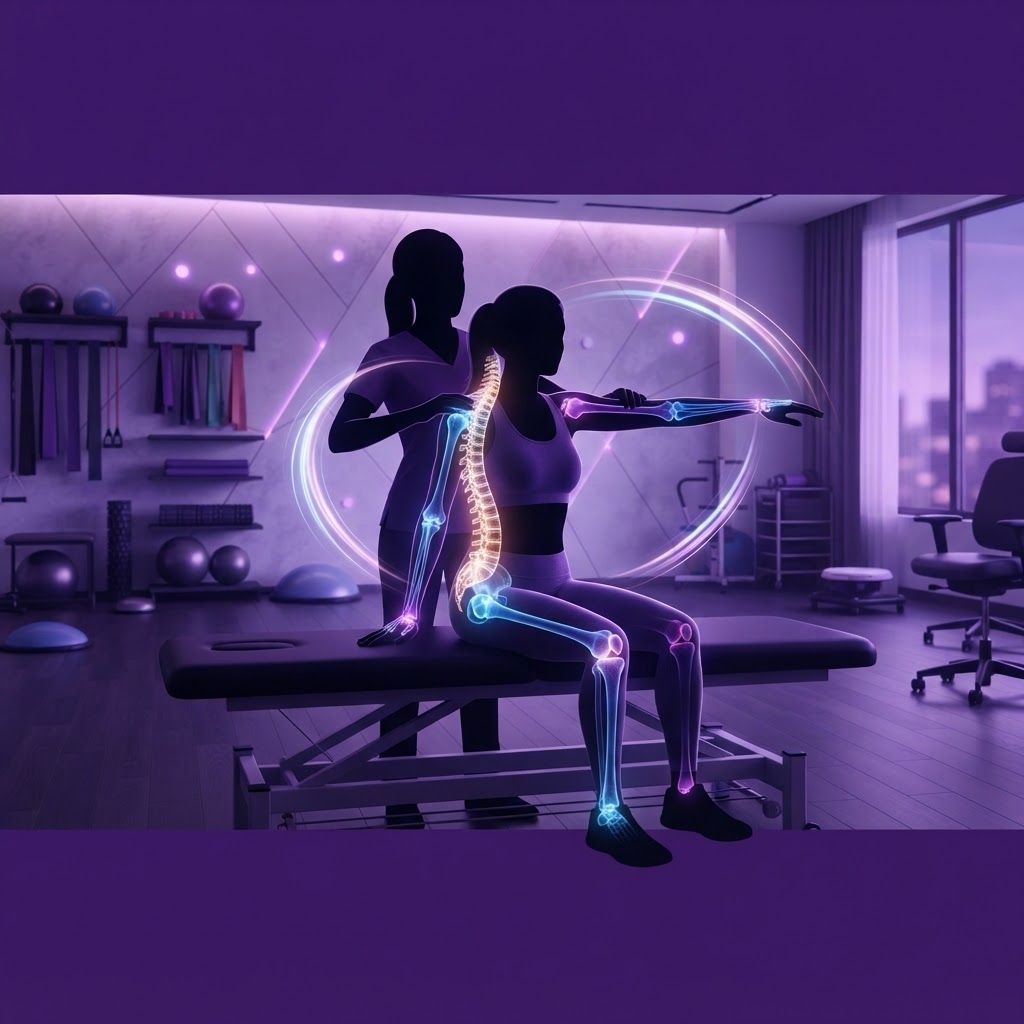
The Role of Physical Therapy in a Working Region
Modesto's economy runs on physical work. Agricultural labor, food processing, warehousing, construction, and transportation all place sustained demand on backs, shoulders, knees, and hands. Add an aging population and a strong local sports culture, and the result is consistent demand for skilled rehabilitation services.
Physical therapy has also evolved considerably. Contemporary practice emphasizes active movement, progressive loading, and patient education rather than passive modalities alone. Evidence increasingly supports therapy as a first-line treatment for many musculoskeletal conditions, often reducing the need for imaging, injections, or surgery. In California, patients can typically access physical therapy directly for a limited period without a physician referral, though insurance requirements may still apply.
Common Reasons People Seek Physical Therapy
Post-surgical rehabilitation following joint replacement, ligament reconstruction, rotator cuff repair, or spinal surgery represents a large share of caseloads. Chronic low back and neck pain are extremely common, as are shoulder impingement, tendinopathy, and knee osteoarthritis. Work-related injuries and repetitive strain conditions bring in agricultural and industrial workers. Neurological rehabilitation after stroke addresses balance, gait, and functional independence. Vestibular therapy treats dizziness and balance disorders, and pelvic health therapy addresses conditions that patients often endure silently for years.
The Top 10 Physiotherapy Centers Serving Modesto
1. Valley Physical Therapy and Sports Medicine handles orthopedic and athletic rehabilitation with an emphasis on progressive strength and return-to-activity testing. Its therapists work closely with local orthopedic surgeons on structured post-operative protocols.
2. Central Valley Rehabilitation Institute provides comprehensive outpatient therapy including physical, occupational, and speech services, which suits patients recovering from stroke or major medical events who need coordinated multidisciplinary care.
3. Modesto Orthopedic Physical Therapy focuses on spine and joint conditions with manual therapy and exercise-based treatment. Its clinicians hold advanced orthopedic credentials, and treatment sessions are notably hands-on.
4. Stanislaus Work Injury Rehabilitation specializes in occupational injury, including functional capacity evaluation, work conditioning, and coordinated return-to-duty planning with employers. Given the region's industrial and agricultural base, this expertise is in steady demand.
5. Riverbank Sports Performance and Therapy combines rehabilitation with athletic performance training, serving high school and collegiate athletes through injury recovery and into prevention and conditioning programs.
6. Orchard Balance and Vestibular Clinic concentrates on dizziness, vertigo, and balance disorders, using specialized assessment and repositioning techniques. Fall prevention programs for older adults are a significant part of its work.
7. Golden Belt Pelvic Health Therapy provides specialized treatment for pelvic floor dysfunction, postpartum recovery, and related conditions in a private setting. This is an underserved specialty in most mid-sized cities, and its presence locally is valuable.
8. McHenry Hand and Upper Extremity Therapy focuses on hands, wrists, and elbows, treating tendon injuries, post-surgical cases, nerve compression, and repetitive strain with custom splinting and graded exercise.
9. Prospect Street Aquatic Therapy Center uses heated pool-based rehabilitation, which reduces joint loading and benefits patients with severe arthritis, obesity-related mobility limits, or acute post-operative restrictions who cannot tolerate land-based exercise initially.
10. Modesto Geriatric Mobility Clinic serves older adults with gait training, strength maintenance, and home safety assessment aimed specifically at preserving independence and reducing fall risk, one of the highest-impact interventions in senior health.
Choosing a Clinic and Getting Results
Ask how much one-on-one time you will receive with a licensed therapist versus an aide, because this varies enormously between clinics and directly affects outcomes. Confirm the therapist's experience with your specific condition, and ask what measurable goals will define progress and roughly how many visits are anticipated.
Verify insurance details carefully, including visit limits per year, copayment per session, and whether pre-authorization is required. For patients paying cash, many clinics offer discounted self-pay rates, and a smaller number of well-targeted visits combined with a solid home program can be highly effective.
The most important predictor of success is home program adherence. Clinic sessions provide assessment, progression, and correction, but the actual tissue adaptation happens through consistent daily work between visits. Patients who complete their prescribed exercises reliably recover faster and relapse less often, regardless of which clinic they choose.
Injury Prevention for Local Work
Much of the region's injury burden is preventable. Proper lifting mechanics, task rotation to avoid sustained repetitive loading, adequate hydration during Central Valley summer heat, and progressive conditioning before seasonal work intensifies all reduce incidence substantially. Employers who invest in ergonomic assessment and early reporting of minor symptoms see far fewer serious claims.
For desk workers, monitor height, chair support, and regular movement breaks address the neck and low back complaints that dominate office populations. For athletes, gradual training progression and adequate recovery prevent the majority of overuse injuries.
Final Thoughts
Physiotherapy in Modesto covers the full range of need, from orthopedic and sports rehabilitation to vestibular, pelvic health, hand therapy, aquatic programs, and geriatric mobility. Patients get the best outcomes by seeking treatment early rather than waiting for symptoms to become chronic, choosing a clinic with genuine one-on-one therapist time, and treating the home exercise program as the core of recovery rather than an optional supplement.