
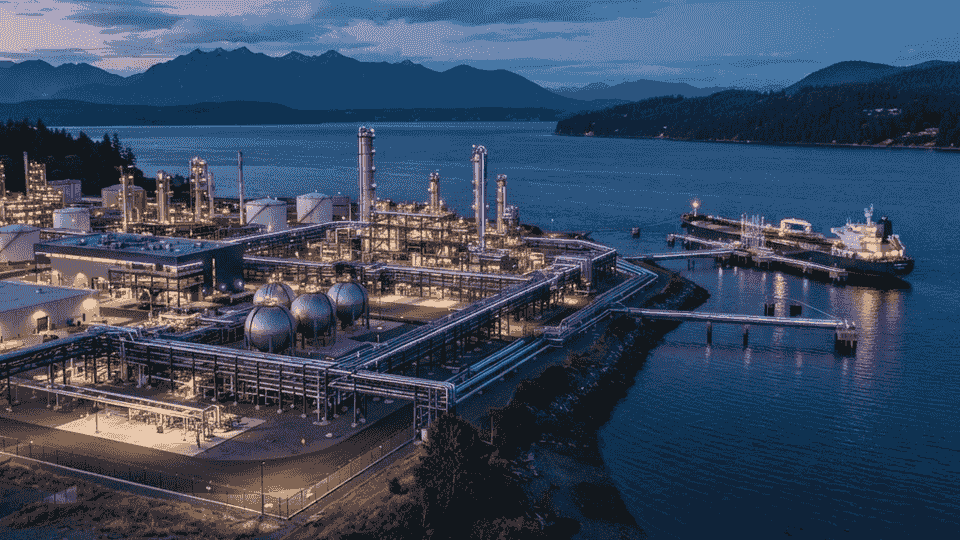
Understanding Washington’s Fuel Industry
Washington produces little crude oil or fossil gas, yet it has a strategically important downstream energy sector. Refineries near Anacortes and Ferndale process crude delivered by pipeline, vessel, and rail, while terminals and distributors move gasoline, diesel, aviation fuel, propane, lubricants, and industrial products across the state. The sector supports transportation and employment but also faces significant responsibilities involving worker safety, air quality, spill prevention, tribal rights, and greenhouse-gas reduction.
The companies below are selected for their role in Washington’s supply chain. This is not an environmental endorsement or investment recommendation. Ownership and asset names can change, so businesses should verify current operations before procurement.
1. BP
BP’s Cherry Point refinery near Blaine is one of Washington’s largest refining facilities and a major supplier of transportation fuels. Its location near the Canadian border and Puget Sound gives it regional logistics importance. The facility has also pursued renewable-fuel and efficiency initiatives as fuel markets evolve. Community and regulatory attention remains focused on safety, emissions, shipping, and shoreline protection.
2. Marathon Petroleum
Marathon Petroleum operates the Anacortes refinery, which supplies fuels to the Pacific Northwest. The company’s broader refining and logistics capabilities support feedstock delivery and product distribution. For industrial customers, scale can provide dependable supply, while operational transparency, emergency preparation, and environmental performance remain essential measures of quality.
3. HF Sinclair
HF Sinclair operates the Puget Sound refinery in Anacortes. The facility produces transportation and specialty fuels for regional markets. As regulations encourage lower-carbon products, refiners increasingly evaluate renewable feedstocks, process improvements, and changes in product demand. Buyers should distinguish conventional fuel operations from separately verified low-carbon offerings.
4. Phillips 66
Phillips 66 operates the Ferndale refinery and participates in fuel logistics and marketing throughout the region. Its integrated industry experience includes refining, midstream operations, and commercial supply. Strong process safety and maintenance are especially important in refinery communities where operational incidents can affect workers and nearby residents.
5. U.S. Oil & Refining
U.S. Oil & Refining operates a Tacoma refinery and supplies petroleum products within the Pacific Northwest. Its location in the Tideflats places it near marine, rail, and highway infrastructure serving regional customers. Tacoma’s industrial area is also the focus of extensive public planning concerning safety, land use, environmental justice, and long-term transition.
6. Par Pacific Holdings
Par Pacific operates energy infrastructure and supplies fuel in Western markets, with assets and commercial relationships relevant to the Pacific Northwest. Its experience in geographically constrained markets highlights the importance of inventory planning and resilient logistics. Customers should assess delivery coverage, contract flexibility, and emergency-supply capabilities.
7. Christensen
Richland-based Christensen supplies fuels, lubricants, propane, and related services to commercial, agricultural, fleet, and industrial customers. The company’s Washington roots and delivery network make it a notable regional distributor. On-site fuel programs can improve fleet productivity, but customers need careful tank management, spill controls, inventory monitoring, and employee training.
8. Coleman Oil
Coleman Oil serves customers across the Inland Northwest with fuels, lubricants, cardlock facilities, and delivery services. Its regional footprint supports agriculture, trucking, construction, and other operations east of the Cascades. Service responsiveness and winter reliability are important differentiators for customers operating far from major terminals.
9. APP
APP is a Washington-based petroleum distributor serving commercial and retail fuel needs. Regional distributors connect large terminals with local fleets, job sites, farms, and stations. Their value often comes from route density, account support, equipment services, and the ability to manage deliveries during demand disruptions.
10. AmeriGas
AmeriGas supplies propane to residential, agricultural, and commercial customers in Washington. Propane remains important in rural areas without pipeline gas and for portable or backup applications. Customers should compare tank ownership, delivery scheduling, minimum purchases, fees, monitoring, and emergency procedures.
Safety, Resilience, and Transition
Washington’s fuel system is exposed to earthquakes, severe weather, transportation disruptions, and global price volatility. Commercial purchasers should evaluate supplier redundancy, storage practices, emergency plans, fuel quality, and contract terms. Sites handling fuel need compliant containment, inspection, employee training, and spill-response processes.
The industry is also changing. Electric vehicles, efficiency, clean-fuel standards, sustainable aviation fuel, renewable diesel, and renewable natural gas are reshaping demand. Credible suppliers will report product attributes clearly and avoid confusing conventional fuels with lower-carbon alternatives. Washington will continue to need dependable energy logistics during the transition, but leadership will increasingly be measured by safety, transparency, community impact, and verified emissions reduction.