
Why Birmingham Is Still a Machinery Powerhouse
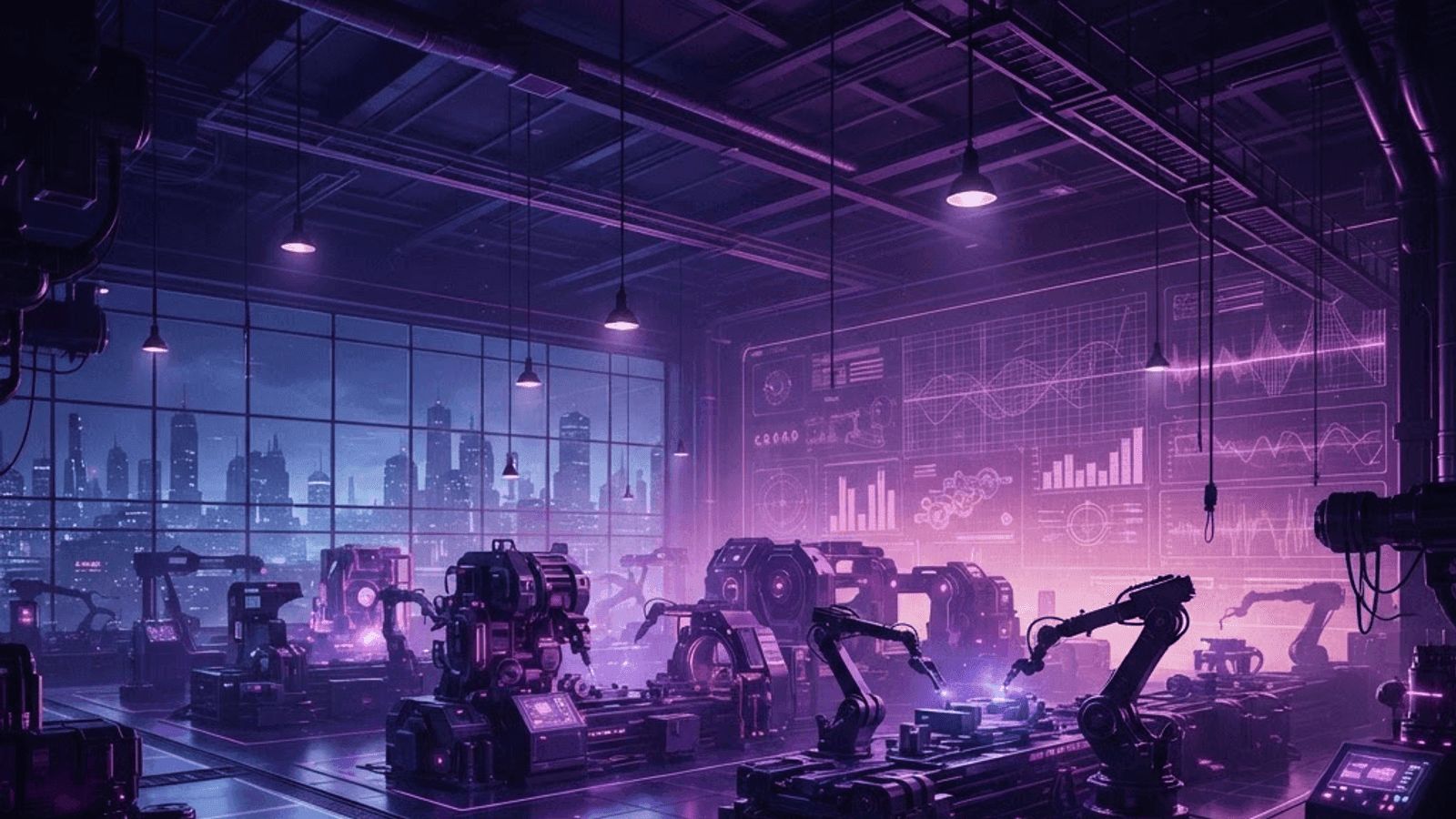
Few cities carry an industrial legacy quite like Birmingham. The workshops that once earned the city its reputation as the workshop of the world have evolved into precision engineering facilities filled with CNC machining centres, robotic welding cells and digital inspection equipment. Machinery manufacturing in Birmingham today is less about volume and more about capability: bespoke machines, specialist tooling, automation systems and heavy plant built for sectors that cannot afford failure.
The city's advantage is geographic as much as historical. Sitting at the centre of the national motorway network and surrounded by the wider West Midlands supply chain, Birmingham machinery manufacturers can source castings, fabrications, hydraulics and electronics within a short drive. That density of suppliers shortens lead times and allows machine builders to iterate designs quickly, which is exactly what customers in automotive, food processing, packaging and construction demand.
What Separates a Great Machinery Manufacturer
Buying industrial machinery is rarely a simple transaction. The best manufacturers act as engineering partners, starting with a process audit rather than a product catalogue. They will map throughput targets, floor space, operator skill levels and maintenance capability before proposing a solution. Strong candidates also demonstrate in-house design, robust quality accreditation, transparent testing procedures and a service network capable of responding when a production line stops.
Buyers should also look closely at aftersales support. A machine is a decade-long relationship, and spare part availability, remote diagnostics, operator training and planned preventative maintenance contracts often matter more than the headline purchase price.
Ten Machinery Manufacturers Shaping the City
1. Aston Precision Machinery Works — A long-established builder of custom production machinery serving automotive tier one suppliers. The company is known for integrating vision inspection and traceability into every line it delivers, and for a design team that works directly on customer sites during commissioning.
2. Digbeth Engineering Systems — Specialists in bespoke automation cells and robotic handling. Their strength lies in retrofitting modern controls onto existing plant, an increasingly popular route for manufacturers who want productivity gains without replacing capital equipment.
3. Midland Machine Tool Company — Focused on heavy machine tools, boring machines and grinding equipment. The firm's reputation rests on mechanical rigidity and long service life, with many of its machines still in daily use decades after installation.
4. Saltley Industrial Fabrication — A heavy fabrication and machinery assembly business supplying conveyors, hoppers and material handling systems for recycling, quarrying and bulk processing customers across the region.
5. Bordesley Hydraulic Machinery — Designers and builders of hydraulic presses, balers and clamping systems. Their engineering team is particularly strong on safety interlocking and pressure system compliance, which matters enormously in high-force applications.
6. Jewellery Quarter Precision Tooling — A smaller but highly regarded maker of press tools, jigs and fixtures. The business has adapted the fine tolerance traditions of the Quarter to serve medical device and aerospace customers who need repeatability measured in microns.
7. Erdington Packaging Machinery — Builders of filling, capping, labelling and end-of-line packaging equipment. Food and beverage producers value the company's hygienic design approach and washdown-rated construction.
8. Tyseley Automation Engineering — A controls-led machine builder combining PLC programming, SCADA integration and data capture. Their systems are popular with manufacturers pursuing digital factory strategies and real-time production reporting.
9. Perry Barr Conveyor Technologies — Specialists in modular conveying, sortation and warehouse mechanisation. Growth in regional logistics and distribution has made their belt, roller and spiral systems a familiar sight across Midlands fulfilment centres.
10. Northfield Special Purpose Machines — As the name suggests, this firm builds one-off machines for processes that nothing off the shelf can handle. Assembly, testing, leak detection and laser marking stations are typical projects.
Industry Trends Reshaping Local Machine Building
Three forces dominate conversations in Birmingham machine shops right now. The first is automation driven by labour availability rather than pure cost reduction. Manufacturers are automating tasks that are difficult to staff consistently, particularly repetitive handling and inspection work.
The second is energy efficiency. Rising industrial energy costs have pushed servo-driven systems, regenerative braking and variable speed drives from optional extras to standard specification. Machinery buyers increasingly request energy consumption data as part of the tender process.
The third is connectivity. Machines are expected to report cycle times, downtime reasons and condition-monitoring data to factory systems. Birmingham builders that invested early in industrial networking and edge data capture now hold a clear commercial advantage.
Sectors Driving Demand
Automotive remains significant, particularly around electrification where battery module assembly and thermal testing require entirely new equipment. Food and drink manufacturing continues to invest in hygienic automation. Construction products, recycling and waste processing generate steady demand for heavy plant. Meanwhile the growth of regional warehousing has created a sustained market for conveying and sortation technology.
How to Choose the Right Partner
Start by writing a clear user requirement specification covering throughput, product variants, changeover expectations and integration with existing lines. Visit the manufacturer's facility and ask to see a machine at factory acceptance test stage. Speak to reference customers about commissioning reality rather than the sales promise. Clarify who owns the control code and electrical drawings, and confirm spare parts lead times in writing.
Finally, weigh cultural fit. Machinery projects run for months and involve difficult technical conversations. A manufacturer that communicates clearly when something goes wrong is worth considerably more than one that only communicates when everything is fine.
Final Thoughts
Birmingham's machinery manufacturers combine deep engineering heritage with genuinely modern capability. Whether a business needs a single press tool or a fully automated production line, the city offers an unusually deep bench of specialists within a compact geographic area. For buyers willing to invest time in specification and supplier selection, that concentration of talent remains one of the strongest reasons to source machinery locally.