
Landscaping in a Compact Coastal City
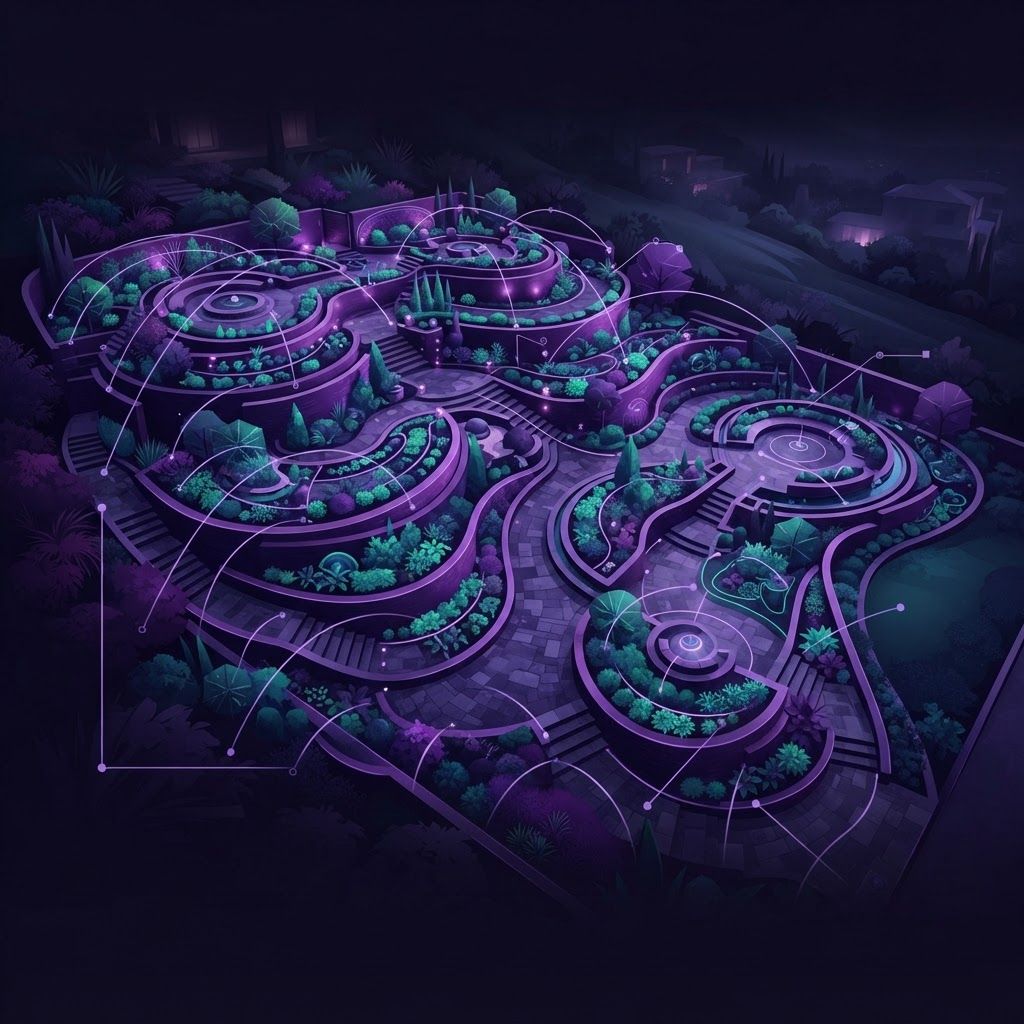
Providence yards tend to be small, shaded and bounded by fences, driveways and neighboring structures. That constraint changes the entire design problem. Instead of expanses of lawn, successful local landscapes emphasize layered planting, hardscape circulation, privacy screening and careful management of the light that reaches between closely spaced buildings.
Soil conditions add another variable. Much of the city sits on glacial till, filled ground or compacted urban soil with poor structure and drainage. Amending and building soil is frequently the difference between plantings that thrive and plantings that slowly decline.
The growing season is short, roughly May through October for reliable planting and active growth, which compresses the calendar and makes scheduling with quality contractors competitive.
Ten Landscaping Companies Serving Providence
Lawn Doctor provides turf management including fertilization, aeration, overseeding and weed control on recurring programs.
Green Acres Landscaping offers full-service design, installation and maintenance for residential properties.
Ocean State Landscaping handles hardscape construction, plantings and seasonal maintenance across the metro area.
Rhode Island Nurseries style growers aside, Cardi Landscaping serves residential clients with installation and property maintenance.
Blackstone Valley Landscaping covers lawn care, mulching, pruning and cleanup services with reliable recurring schedules.
Capital Lawn Care focuses on maintenance contracts for residential and small commercial properties.
New England Garden Design emphasizes planting design, perennial gardens and native species selection.
Providence Hardscapes specializes in patios, walkways, retaining walls and outdoor living structures.
Bay State Tree & Landscape combines arboriculture with landscape services, valuable on properties with mature trees.
Evergreen Property Services provides year-round grounds management including snow removal, which matters for commercial and multifamily clients.
Design Considerations for Small Urban Lots
Privacy is usually the first request. Evergreen screening, layered mixed hedges, trellises with climbing plants and strategically placed small trees create separation without the visual heaviness of a solid fence.
Shade tolerance is the second. Many Providence yards receive limited direct sun because of building proximity and mature canopy. Plant selection must match actual light conditions, and installing sun-loving species in shade is the most common cause of disappointing results.
Circulation and usable space matter enormously in a small yard. A well-proportioned patio, a clear path and a defined seating area often deliver more value than additional planting beds. Hardscape also reduces maintenance load.
Scale discipline prevents the frequent error of planting trees and shrubs that outgrow their location. Compact cultivars and columnar forms serve small yards far better than standard varieties that require constant pruning.
Drainage and Stormwater
Water management is a recurring challenge. Compacted soil, impervious surfaces and downspouts discharging directly against foundations create chronically wet areas and basement moisture problems.
Solutions include regrading to establish positive slope away from the structure, extending downspouts, installing French drains or dry wells, and using rain gardens planted with species tolerant of both saturation and drought. Rain gardens are particularly appropriate in a city dealing with combined sewer capacity, since they infiltrate runoff on site rather than sending it to the street.
Permeable paving for walkways and patios accomplishes similar goals while providing usable surface.
Native Plants and Ecological Landscaping
Native and regionally adapted plantings have gained substantial momentum. Species suited to New England conditions require less irrigation, resist local pests better and support pollinators and birds. Practical choices include serviceberry, winterberry, inkberry, little bluestem, switchgrass, bee balm, coneflower, asters and goldenrod, all of which perform in local soils.
Lawn reduction is a related trend. Replacing marginal turf in shaded or awkward areas with groundcover, native beds or mulched planting reduces maintenance, water use and fertilizer runoff.
Coastal exposure requires additional consideration for properties nearer the bay, where salt spray and wind tolerance narrow plant selection.
Seasonal Scheduling
Spring brings cleanup, pruning, bed edging, mulching and early planting. Demand peaks sharply, so booking during winter secures better scheduling.
Summer focuses on maintenance, irrigation management and pest monitoring. Planting during peak heat is possible but requires disciplined watering.
Autumn is the best planting window for trees and shrubs in this climate, allowing root establishment before winter without summer heat stress. It is also the time for aeration, overseeding and leaf management.
Winter services include snow and ice management, dormant pruning and design planning for the following season.
Hiring Well
Ask for a written scope distinguishing design, installation and ongoing maintenance. Confirm insurance and, for tree work, verify certified arborist credentials, because improper pruning permanently damages mature trees.
Request a planting plan listing species, sizes and quantities rather than a general description. Ask about warranty terms on plant material and what maintenance is required to keep that warranty valid.
For hardscape, discuss base preparation explicitly. Patios and walls fail because of inadequate base depth and drainage, not because of the surface material, and this is precisely where lower bids cut cost invisibly.
Conclusion
Good landscaping in Providence works with the city's constraints rather than against them: small lots, shade, urban soil and a compressed season. Choose contractors who assess soil and drainage before proposing plants, favor adapted species, and build hardscape on a proper base. The result is a low-maintenance outdoor space that improves every year rather than requiring constant rescue.