
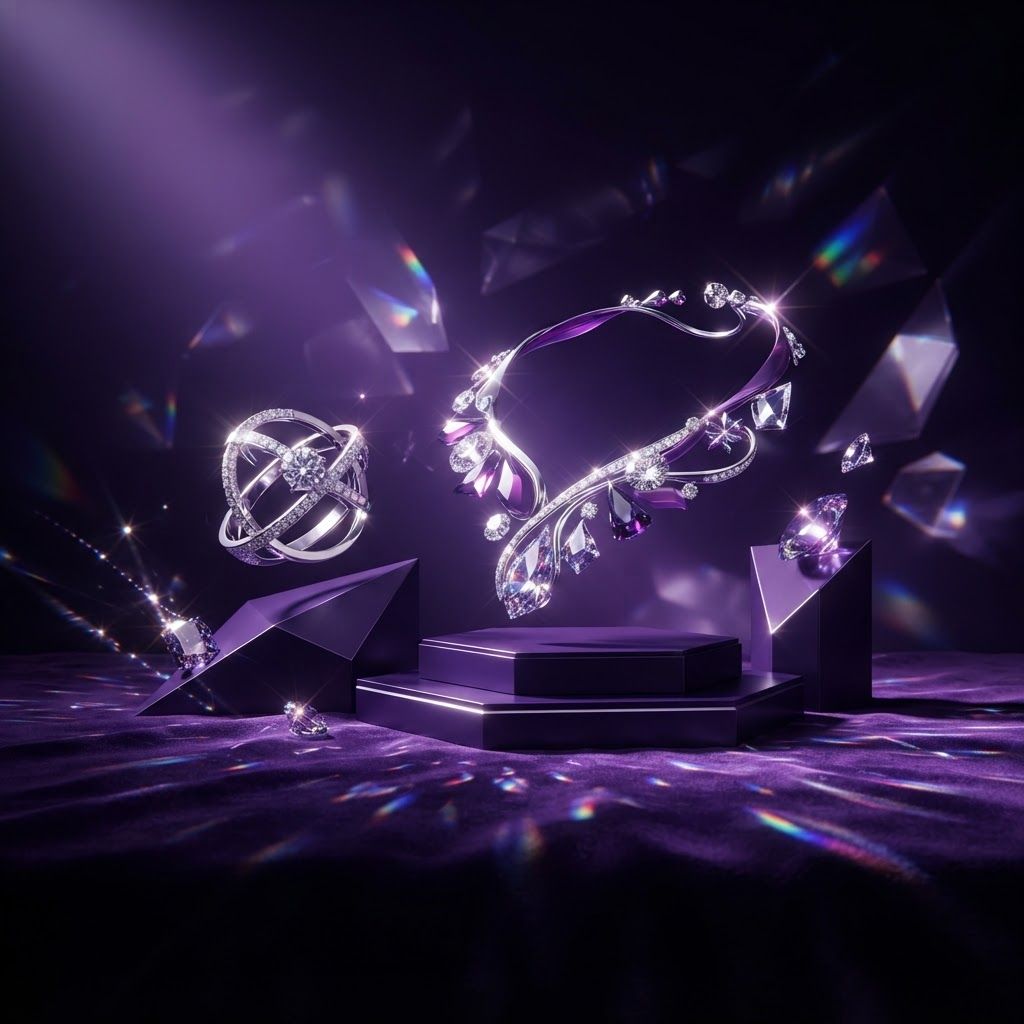
A Jewelry Market Shaped by Diversity and Growth
Irving's jewelry market reflects the city itself. A large South Asian and Middle Eastern population sustains genuine demand for high-karat gold, bridal sets, and traditional craftsmanship. Corporate professionals in Las Colinas buy fine everyday pieces and milestone gifts. Young couples across the metroplex shop engagement rings, increasingly with a level of technical knowledge that would have been unusual a decade ago. And established families need trusted jewelers for appraisal, repair, and restringing of pieces they intend to pass down.
That breadth means the right jeweler depends heavily on what you are buying. A retailer excellent at certified diamond engagement rings may have little expertise in twenty-two karat gold construction, and a specialist in traditional bridal gold may not offer laboratory-grown diamond options. Knowing the category before shopping saves considerable time.
What Buyers Should Understand
For diamonds, grading reports from respected independent laboratories matter more than in-store descriptions, and cut quality affects visible brilliance more than carat weight does. Laboratory-grown stones are chemically identical to mined ones and now represent a large share of the market at substantially lower prices, with different long-term value expectations. For gold, karat purity determines both color and durability: higher karat means richer color and softer metal. For colored gemstones, treatment disclosure is essential, since heat and filling treatments significantly affect value. And for any significant purchase, an independent appraisal for insurance purposes is standard practice.
Ten Jewelry Brands and Retailers
1. Tiffany & Co.
The benchmark for branded fine jewelry, with rigorous internal standards, distinctive settings, and strong service infrastructure including cleaning, resizing, and lifetime care. Buyers pay a brand premium, and in return receive consistency, presentation, and resale recognition that generic pieces do not carry.
2. Blue Nile
An online-first diamond retailer that changed how buyers research stones. Blue Nile's inventory breadth and transparent grading data let shoppers compare stones systematically rather than relying on a single display case. Its metroplex-area showroom presence bridges the gap for buyers who want to see before committing.
3. Brilliant Earth
Focused on traceable sourcing and laboratory-grown options, this brand appeals to buyers who care about origin documentation. Brilliant Earth pairs ethical sourcing claims with genuine design range, and its recycled precious metal offerings extend the sustainability position beyond stones alone.
4. Malabar Gold & Diamonds
High-karat gold jewelry made to South Asian design traditions, with bridal collections, temple work, and intricate craftsmanship. For Irving's substantial Indian community, this category is not a niche but a core need, and retailers offering authentic twenty-two karat construction with proper hallmarking serve it well.
5. Kay Jewelers
Mall-based accessibility, financing options, and warranty programs make this a practical entry point for many buyers. Kay Jewelers covers bridal, fashion, and gift categories at mainstream price points, and its service plans appeal to buyers who want straightforward repair coverage.
6. David Yurman
Distinctive cable designs in silver and gold have built a recognizable identity. David Yurman pieces function as everyday fine jewelry that reads as designed rather than generic, and the brand's bracelets in particular have become a durable staple for many wearers.
7. Pandora
Customizable charm bracelets and accessible sterling silver pieces make this a gifting mainstay. Pandora's model builds long-term customer relationships through incremental purchases, and its wide availability across the metroplex makes replacement and addition easy.
8. Local Independent Custom Jewelers
Irving and the surrounding metroplex support bench jewelers who design custom pieces, reset heirloom stones, and handle complex repair. These shops offer something chains generally cannot: direct conversation with the person doing the work, and the ability to rework inherited jewelry into something wearable rather than stored.
9. James Avery
A Texas institution with deep regional loyalty, known for meaningful designed pieces in silver and gold, often with personal or faith-based significance. James Avery's craftsmanship standards and lifetime repair policy reflect a business built around long ownership rather than trend cycles.
10. Certified Estate and Vintage Dealers
Estate jewelry offers period design, often at better value per carat than new retail, along with craftsmanship styles no longer commonly produced. Reputable dealers in the metroplex provide provenance documentation and appraisal, which is essential in a category where condition and authenticity determine value.
Trends in Jewelry
Laboratory-grown diamonds have moved decisively into the mainstream, reshaping price expectations and prompting mined-diamond sellers to emphasize origin and rarity. Colored gemstone center stones, particularly sapphire and emerald, are increasingly chosen for engagement rings. Recycled and traceable precious metals are becoming standard talking points. Stacking and layering styles continue to favor multiple smaller purchases over single statement pieces. And permanent jewelry, welded closure bracelets and chains, has become a notable service category among younger buyers.
Buying and Caring Wisely
Set a budget before shopping and prioritize cut quality over carat weight if brilliance matters to you. Insist on independent grading documentation for significant stones, and get a separate insurance appraisal after purchase. Ask about return windows, resizing policy, and whether repairs are done in-house or shipped out. Have prong settings inspected annually, because lost stones almost always follow visible wear that a jeweler would have caught. Store pieces separately to prevent scratching, and remove jewelry before swimming, cleaning, or exercise. In a market as varied as Irving's, the buyers who do best are the ones who identify the right specialist for their specific purchase rather than shopping the closest storefront.