
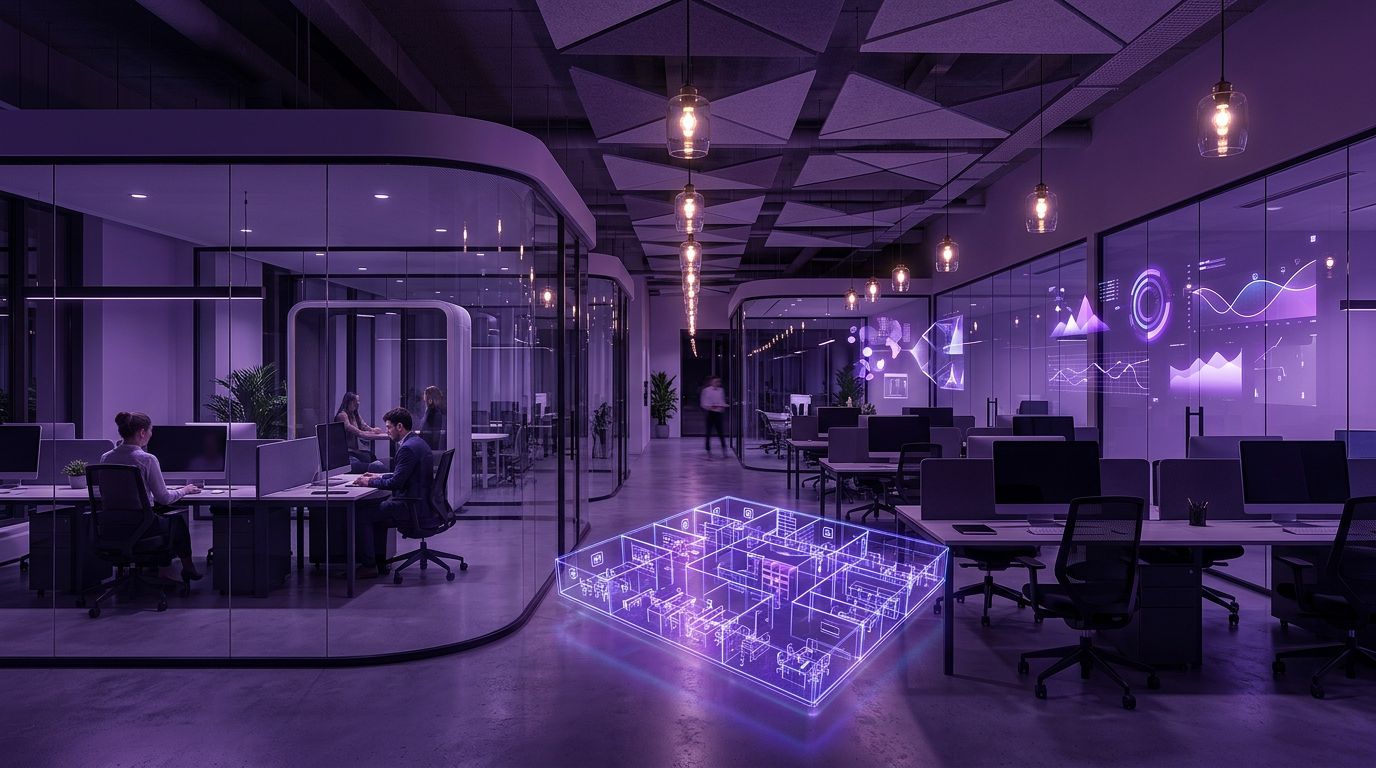
Interior fit-out turns an empty shell into a functional, branded workspace. In Columbia, demand comes from corporate offices downtown and along Main Street, medical practices in suburban centers, university facilities, and a growing number of restaurants and retail concepts in the Vista and BullStreet District.
A successful fit-out requires coordination between designers, contractors, furniture providers, and technology specialists. Below are ten companies and brands that play a major role in interior fit-out projects in the Columbia market, from design firms and project managers to furniture and modular construction specialists.
Why Interior Fit-Out Matters
Well-designed interiors improve productivity, support company culture, and help attract talent. For customer-facing businesses, interiors shape brand perception. Efficient fit-outs also reduce costs by making the best use of available space and choosing durable, sustainable materials.
The Top 10 Interior Fitout Companies in Columbia
1. LS3P
LS3P is a Southeastern architecture and interior design firm with deep roots in South Carolina. Its interiors practice covers workplace, healthcare, education, and hospitality projects. The firm is known for thoughtful design that reflects regional character and client identity.
2. Gensler
Gensler is a global design firm recognized for workplace strategy and interior design. Its research-driven approach helps organizations plan spaces that support hybrid work, collaboration, and well-being, making it a strong resource for corporate clients.
3. JLL Project and Development Services
JLL provides project management for office fit-outs, managing budgets, schedules, and vendors on behalf of tenants and owners. Its market knowledge and procurement expertise help businesses deliver projects efficiently.
4. CBRE Project Management
CBRE's project management teams oversee interior build-outs from site selection through move-in. Their integrated approach connects real estate strategy with design and construction, which helps clients control cost and risk.
5. Cushman & Wakefield
Cushman & Wakefield offers workplace strategy, project management, and tenant representation. Its teams help companies plan and execute office moves and fit-outs, aligning space decisions with long-term business goals.
6. HITT Contracting
HITT is well known for commercial interiors, delivering corporate offices, technology spaces, and tenant improvements. Its focus on quality finishes and schedule reliability makes it a trusted builder for demanding interior projects.
7. DIRTT
DIRTT offers prefabricated interior construction systems, including modular walls and millwork. Its solutions reduce construction waste and allow spaces to be reconfigured as needs change, which is valuable for growing organizations.
8. Steelcase
Steelcase is a leading workplace furniture manufacturer. Through its dealer network, it provides ergonomic seating, collaborative furniture, and space planning support that helps businesses create flexible, people-centered environments.
9. MillerKnoll
MillerKnoll, the parent of Herman Miller and Knoll, offers iconic furniture and workplace solutions. Its design-focused products and research help companies create inspiring, functional interiors.
10. Haworth
Haworth provides adaptable furniture, raised floors, and movable walls. Its emphasis on flexibility and sustainability supports businesses planning for evolving workplace needs.
Fit-Out Trends in Columbia
Hybrid work has led companies to reduce individual desks in favor of collaboration zones, focus rooms, and hospitality-inspired lounges. Biophilic design with natural light, plants, and natural materials is increasingly popular. Healthcare and professional services clients are also investing in acoustic improvements and technology-ready meeting spaces.
Stages of a Typical Fit-Out Project
Most fit-out projects follow a predictable sequence. It begins with workplace strategy and space planning, where teams assess headcount, work styles, and future growth. Designers then develop layouts, finishes, lighting, and branding elements, while engineers plan mechanical, electrical, plumbing, and data infrastructure.
Once the design is approved and permits are secured, contractors complete demolition, framing, ceilings, flooring, and finishes. Furniture, audiovisual equipment, and technology are installed near the end, followed by inspections and move-in coordination. Owners who clearly define requirements early and make timely decisions throughout the process usually enjoy smoother schedules and fewer budget surprises.
Category A and Category B fit-outs are also worth understanding. Category A covers base building elements such as ceilings, lighting, and basic mechanical systems, while Category B tailors the space to a specific tenant with partitions, meeting rooms, kitchens, and branding.
Sustainability is becoming a standard expectation in fit-out work. Businesses increasingly request LED lighting with occupancy sensors, low-emission paints and adhesives, recycled-content flooring, and furniture take-back programs. These choices lower operating costs, support employee health, and help companies meet their environmental commitments while creating spaces that feel modern and inviting. In Columbia, where many offices occupy older downtown buildings, thoughtful fit-outs can also bring historic spaces up to modern accessibility and energy standards.
How to Plan a Successful Fit-Out
Start with a clear understanding of how your team works and how that may change. Engage designers and contractors early to align budget and schedule. Consider long-term flexibility, and plan technology, furniture, and move logistics together to avoid delays.
Final Thoughts
The right interior fit-out partners can turn any space into an asset for your business. With careful planning and experienced providers, Columbia organizations can create environments that support productivity, culture, and growth.