
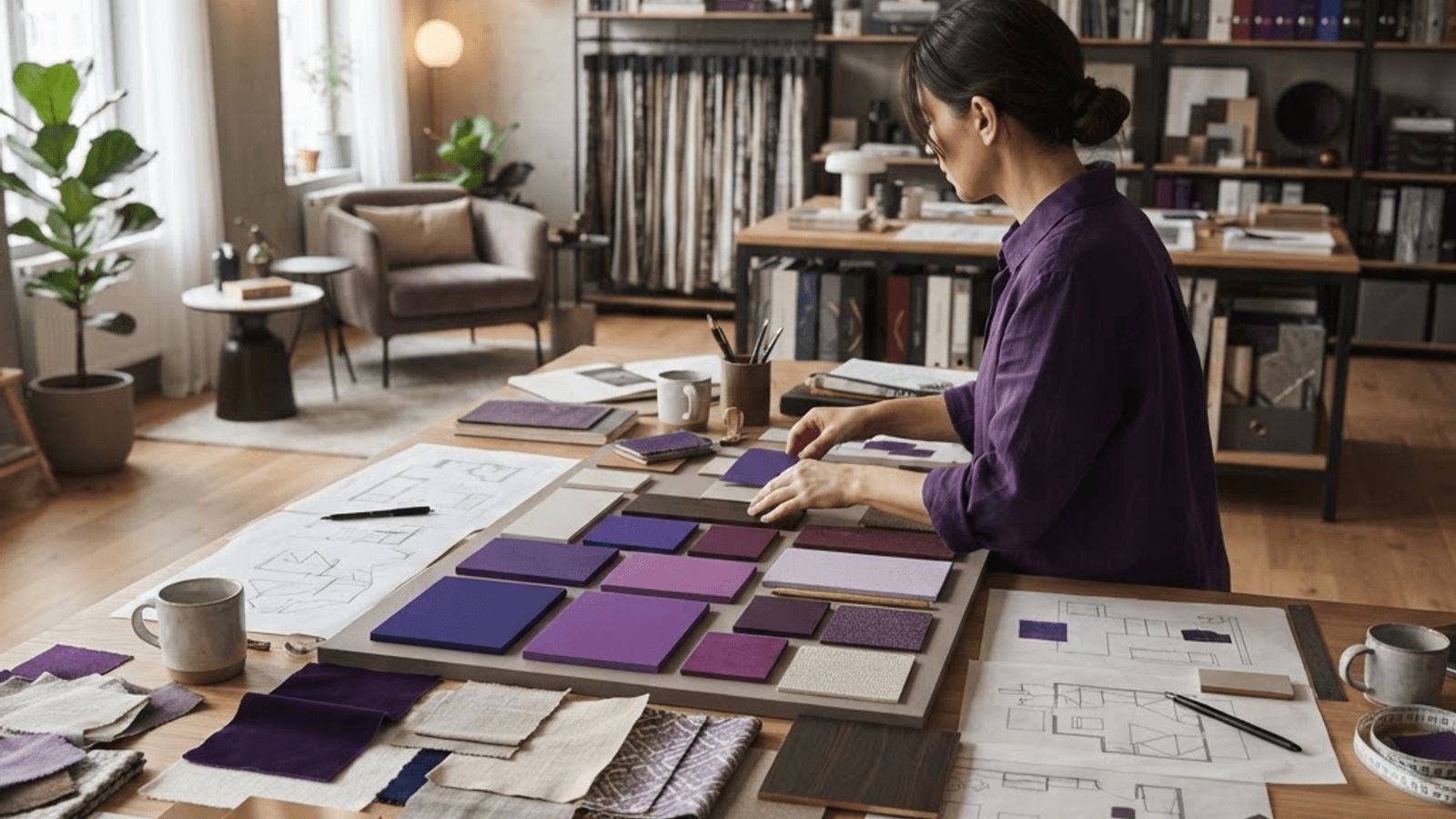
Design Opportunity in a Architecturally Diverse City
San Bernardino's housing stock tells the story of a century of Southern California growth. Spanish Colonial Revival and Craftsman homes near the older civic neighborhoods sit alongside expansive mid-century ranch houses, 1980s tract construction, and contemporary builds in the northern foothills. Each era brings different ceiling heights, window proportions, and structural constraints, which means good interior design here is genuinely site-specific rather than formulaic.
Climate shapes the work as well. Intense summer heat, strong natural light, and a culture of indoor-outdoor living all influence material selection, window treatment strategy, and how designers handle transitions between interior rooms and patios or courtyards.
What Interior Design Firms Actually Deliver
The scope of a design engagement varies widely, and misunderstanding it is the most common source of client frustration. A consultation delivers professional direction on paint, materials, and layout. Full-service residential design includes space planning, finish and fixture specification, custom furniture sourcing, procurement management, and installation. Renovation-integrated design adds coordination with contractors, structural considerations, permit-relevant drawings, and construction administration.
Fee structures follow the same pattern. Hourly consultation, flat-fee design packages, cost-plus procurement, and percentage-of-project fees all exist locally. Clients should insist on a written scope that names deliverables, revision rounds, and who is responsible for ordering, receiving, and inspecting furniture.
The Ten Leading Interior Design Firms
1. Studio Roslyn Interiors. Known for layered, warm interiors that respect a home's original architecture, this firm handles both historic renovations and full new-build furnishing with a consistent point of view.
2. Inland Interiors Design Group. A well-established Inland Empire practice offering full-service residential design with strong contractor relationships, which meaningfully reduces friction on renovation projects.
3. Blue Sky Staging and Design. Bridging staging and design, Blue Sky is particularly effective for homeowners who want cosmetic transformation on a defined budget and timeline rather than a ground-up redesign.
4. Redlands Design Studio. Serving the San Bernardino and Redlands corridor, this studio is respected for careful work on Craftsman and Spanish revival properties where preserving character matters as much as modernizing function.
5. Casa Vista Interiors. Specializing in indoor-outdoor living, Casa Vista designs patios, shaded terraces, and transitional spaces that work with the region's climate rather than against it.
6. Modern Nest Interior Design. A contemporary-leaning practice popular with owners of newer foothill homes, focused on clean lines, integrated storage, and lighting design.
7. Harmony Home Interiors. Known for accessible pricing and clear communication, Harmony works well for first-time design clients who want guidance without an intimidating process.
8. Commercial Interiors by Kidder Mathews project teams. For offices, medical suites, and retail spaces, these teams bring code-aware planning, ADA compliance expertise, and furniture procurement at commercial scale.
9. Elevate Design Collective. A collaborative of designers covering kitchens, baths, and whole-home remodels, notable for detailed material specification and realistic budget modeling before demolition begins.
10. Independent designers through the ASID California Inland Chapter. The professional association directory connects homeowners with credentialed independent designers, many of whom offer boutique attention and specialized expertise in areas such as aging-in-place or sustainable materials.
How to Run a Successful Design Project
Start with a realistic budget and share it openly. Designers cannot specify appropriately without it, and withholding the number almost always leads to wasted presentation rounds. Collect visual references before the first meeting, and be specific about what you dislike as well as what you like, since negative preferences narrow direction faster than positive ones.
Expect lead times on custom furniture and specialty materials, and build them into your schedule rather than treating delays as failures. If the project involves structural change, engage the designer and contractor together early so that design intent and construction reality stay aligned.
Trends Shaping Local Interiors
Several themes are consistently visible in San Bernardino projects. Heat management is driving interest in performance window film, deeper overhangs, and light-reflective exterior-adjacent finishes. Multigenerational living is increasing demand for flexible suites, second kitchens, and accessory dwelling unit design. Durable, low-maintenance materials are replacing delicate finishes in family homes. And a broader shift toward warmth, natural texture, and earth-based palettes is displacing the all-gray interiors that dominated the previous decade.
Final Considerations
The best designer for a project is the one whose portfolio shows work you genuinely admire in homes structurally similar to yours, and whose contract clearly defines scope. Review at least three firms, ask for references from projects completed more than a year ago, and confirm who will manage procurement. With the right partner, San Bernardino's architectural variety becomes an asset rather than an obstacle.
How Fees and Timelines Actually Work
Interior design engagements in San Bernardino are typically structured in one of three ways. Flat-fee packages work well for defined scopes such as a single room refresh or a furniture plan. Hourly billing suits advisory work and smaller decisions. Percentage-of-project fees are common on larger renovations where the designer coordinates trades and procurement. Some firms also earn trade discounts on furnishings, which can offset fees but should be disclosed transparently.
Lead times are the most common source of frustration. Custom upholstery, stone fabrication, and imported tile frequently carry multi-month schedules, and a renovation that touches structure, electrical, or plumbing will require permits from the city building department. Clients who set a realistic timeline at the outset and approve selections promptly consistently report better experiences. Ask for a written scope, a specification list, and a phased schedule before any furnishings are ordered.