
A Design Market Defined by Architectural Variety
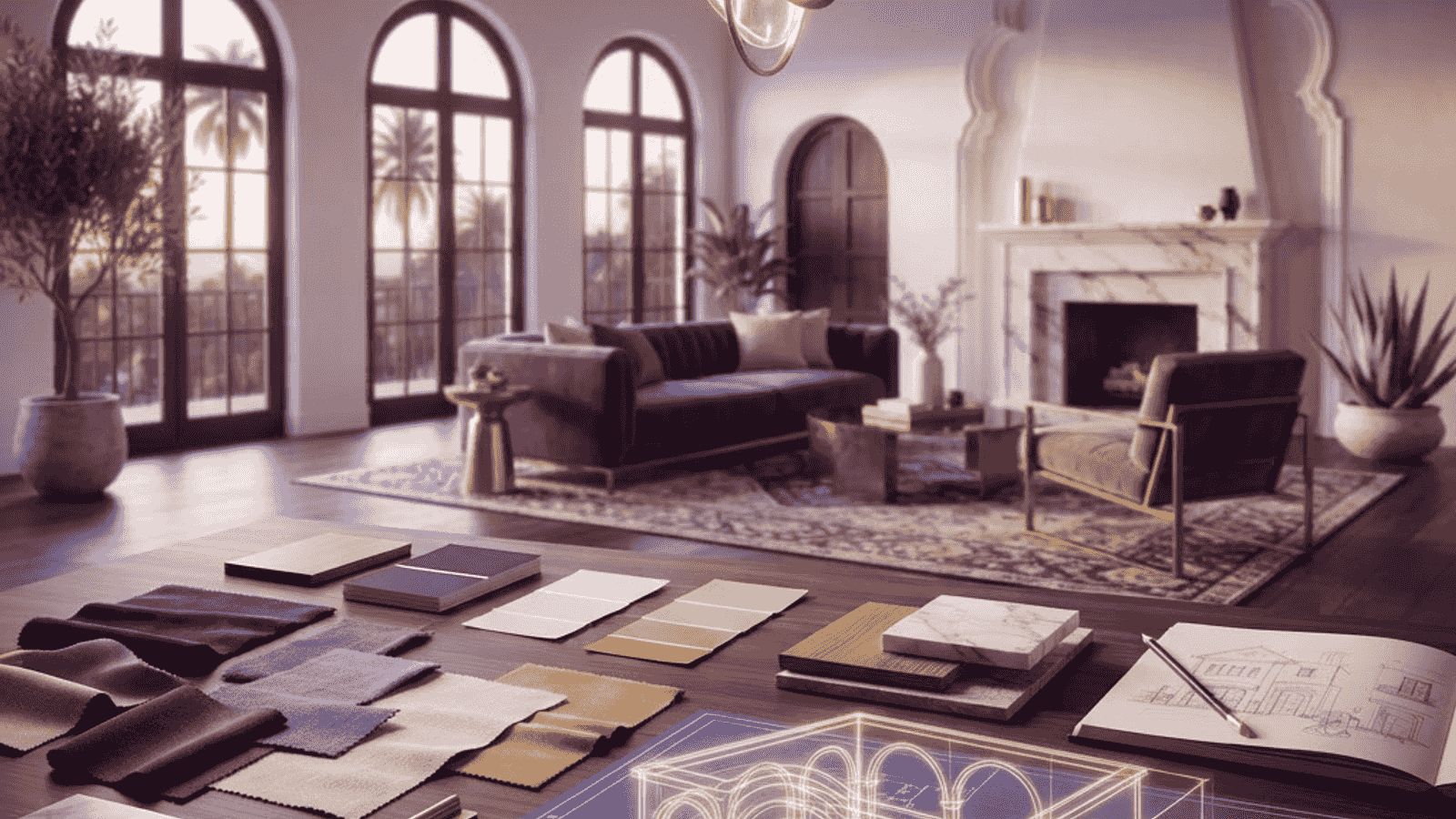
Riverside has an unusually rich architectural inventory for a city its size, and that variety drives the local interior design market. The city's historic core includes craftsman bungalows, Spanish colonial revival homes, and Mission revival landmarks, all governed in places by preservation considerations. Mid-century neighborhoods carry post-and-beam and ranch housing that has become highly desirable again. Newer master-planned communities in Orangecrest, Mission Grove, and Woodcrest deliver large volumes of contemporary tract housing needing furnishing and personalization. Downtown adaptive reuse projects have created loft interiors. Each requires a genuinely different design competency.
Riverside's climate adds a consistent design imperative. Summer heat, intense sun exposure, and a long outdoor season push design decisions toward window treatment strategy, heat-resistant materials, indoor-outdoor transitions, shade structures, and durable outdoor furnishing. Designers who work primarily on the coast often underestimate how much of an Inland Empire project budget belongs to sun and heat management.
Understanding the Types of Design Practice
Interior design services divide into scopes that clients routinely confuse. Full-service residential design covers space planning, finish selection, custom furniture specification, procurement, and installation, typically for renovations and new construction. Interior architecture involves structural changes, requiring coordination with architects, structural engineers, and permitting, which is essential for wall removal or major layout revision. Decoration and furnishing focuses on furniture, textiles, lighting, and art without construction. Kitchen and bath specialization covers the two highest-cost, highest-return rooms with cabinetry, plumbing, and appliance expertise. Commercial and hospitality design serves offices, restaurants, and medical practices under different code requirements including accessibility compliance.
In California, the title interior designer is not licensed in the way architecture is, though certified interior designers may register with the state through a recognized certification process, and professional membership in the American Society of Interior Designers indicates education and experience standards. For projects involving structural or systems work, a licensed architect or engineer must be involved regardless of the designer's credentials.
The Top 10 Interior Design Firms Serving Riverside
1. Inland Empire Interior Design Studio
A full-service practice handling whole-home renovations with in-house project management and established trade relationships. Its strength is coordinating contractors, which is where most residential design projects derail.
2. Riverside Historic Home Design Group
Specialists in period-appropriate restoration for craftsman, Spanish revival, and Victorian properties, experienced with preservation guidelines and sourcing appropriate hardware, tile, and millwork.
3. Canyon Crest Design Collective
A design-forward studio serving university-area professionals and faculty, known for layered, book-heavy interiors that feel collected rather than purchased. Works well for clients who want personality over showroom uniformity.
4. Magnolia Avenue Interiors
A mid-sized firm balancing renovation and furnishing work, with a transparent phased process that lets clients spread investment across multiple years rather than committing to a single large project.
5. Mission Inn District Design Atelier
Focused on higher-end residential and boutique commercial interiors, with curated art and custom furniture capability. Frequently engaged for downtown loft conversions and restaurant projects.
6. Orangecrest Home Interiors
Oriented toward newer construction, helping buyers make builder upgrade decisions before close and furnishing homes afterward. Advising which builder upgrades to take and which to install later is genuinely valuable and rarely offered elsewhere.
7. Riverside Kitchen and Bath Design Center
Specialists in cabinetry, countertops, tile, plumbing fixtures, and appliance specification, with showroom resources and installation coordination. The right first call for a client whose entire project is one or two rooms.
8. Victoria Avenue Design Partners
Serving estate properties along the historic citrus corridor with large-scale residential projects including custom millwork, wine rooms, and outdoor living pavilions.
9. Inland Commercial Interiors
Commercial-focused practice designing medical offices, professional suites, and retail environments in Riverside, with expertise in accessibility compliance, durability requirements, and tenant improvement coordination.
10. Independent Riverside Designers and Consultants
Solo practitioners offering hourly consultation, paint and finish selection, furniture layout plans, and phased guidance. The most cost-effective option for homeowners who want professional direction while executing purchases themselves.
Fee Structures and How to Compare Them
Design compensation takes several forms, and comparing quotes across models is the most common client mistake. Hourly billing is transparent but open-ended and works best for consultation and small scopes. Flat fee per room or per project provides cost certainty and suits well-defined scopes. Percentage of project cost, typically applied to construction and furnishing spend, aligns with large renovations but creates an obvious incentive question that clients should discuss openly. Cost-plus procurement means the designer purchases items at trade pricing and adds a markup, which can be net favorable to the client if trade discounts are meaningful. Many firms blend models, charging a flat design fee plus procurement markup.
Whatever the structure, insist on a written agreement specifying scope, deliverables, number of revision rounds, reimbursable expenses, procurement terms, who holds responsibility for freight damage and returns, and the payment schedule. Ambiguity about revisions and procurement is the source of most disputes in this industry.
How to Run a Project Well
Set a real budget before the first meeting, including a contingency of at least fifteen to twenty percent for renovation work, because older Riverside homes reliably reveal surprises behind walls, including outdated wiring, galvanized plumbing, and foundation issues. Prioritize ruthlessly: structural and systems work first, then permanent finishes, then furnishing, then decoration. Reversing that order produces beautiful furniture in a house with failing infrastructure.
Assemble a visual brief before hiring, gathering images of interiors you respond to and, equally usefully, images you dislike. Designers extract more direction from negative preferences than clients expect. Then verify practical capability: ask for three references from projects completed in the past two years, ask to see a sample specification package, and ask how change orders are handled and priced.
Current Design Direction Locally
Several patterns are visible in Riverside projects. Warm minimalism has displaced the all-gray palette that dominated the previous decade, with plaster finishes, natural woods, and earth tones. Outdoor rooms with shade structures, kitchens, and fans are being designed as primary living space rather than an afterthought. Multigenerational planning, including secondary suites and accessory dwelling units, appears in a large share of local briefs. Energy performance is influencing interior decisions through window specification, insulation upgrades, and heat pump integration. And sourcing has shifted toward durable, repairable furnishing after years of disposable purchases, which raises upfront cost while lowering lifetime spend. Clients who choose a designer whose portfolio genuinely matches their architecture, rather than the most fashionable available, consistently end up happier a decade later.