
Climate Control Demands in Garden Grove
Garden Grove sits far enough inland that it misses much of the coastal moderation enjoyed closer to the ocean. Summer afternoons regularly push well into the nineties, and heat events can extend for days. Winters are mild, so heating demand is modest compared with cooling. That asymmetry shapes equipment selection, since a system optimized for cooling performance and efficiency serves local conditions far better than one balanced for a four-season climate.
Much of the existing equipment in the city is aging. Systems installed fifteen or twenty years ago operate at efficiency levels far below current products, and many were sized by rule of thumb rather than calculation. Combined with ductwork that frequently leaks a significant share of conditioned air into attics, the result is high energy bills and uneven comfort. Modern HVAC work addresses the entire system rather than just the equipment.
1. Residential HVAC Installation Companies
These contractors replace and install complete heating and cooling systems. Quality installers perform a proper load calculation based on the home's actual construction, orientation, insulation and window area rather than sizing by square footage. Oversized equipment short cycles, fails to dehumidify and wears prematurely, which is among the most common problems found in existing installations. Good installers also evaluate and correct duct systems as part of a replacement rather than connecting new equipment to compromised distribution.
2. Air Conditioning Repair and Maintenance Services
Repair specialists diagnose and fix compressor, capacitor, contactor, refrigerant, airflow and control problems. Preventive maintenance is equally important, including coil cleaning, refrigerant charge verification, electrical connection inspection and filter management. Systems in this climate run heavily for months, and dirty condenser coils alone can reduce efficiency substantially. Annual service before the cooling season is the single most cost-effective HVAC practice available to property owners.
3. Heat Pump Specialists
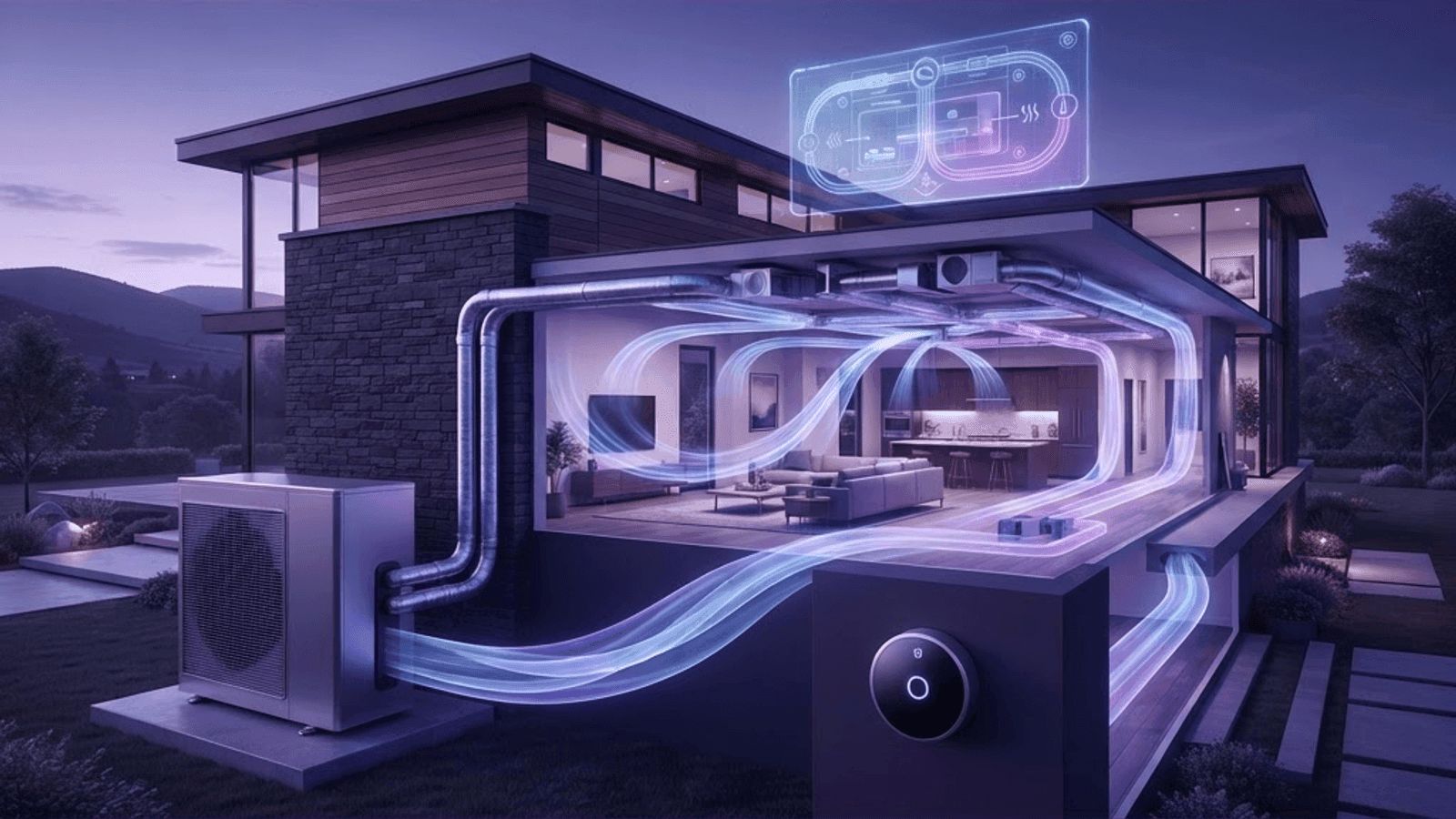
Heat pumps have become the focus of California energy policy and are exceptionally well suited to the local climate, where heating loads are mild. A heat pump provides both cooling and heating from one system, eliminating the need for a gas furnace and delivering heating at efficiencies gas cannot match. Specialists in this area handle system design, electrical coordination and the sizing nuances that differ from conventional split systems. Rebates and incentive programs frequently apply.
4. Ductless Mini-Split Installers
Ductless systems serve additions, converted garages, accessory dwelling units, home offices and rooms that the central system never conditioned adequately. Because they require no ductwork, they avoid the distribution losses that plague conventional systems and allow independent temperature control by zone. Multi-zone configurations can condition an entire home without any ducts, which is particularly useful in older houses where installing proper ductwork would be invasive and expensive.
5. Ductwork Design and Sealing Contractors
Duct performance determines whether equipment capacity actually reaches the rooms. In many Garden Grove homes, ducts run through hot attics with inadequate insulation and significant leakage at joints. Specialists test for leakage, seal with mastic rather than tape, add insulation and redesign runs where airflow is inadequate. Correcting ductwork frequently produces larger comfort and efficiency improvements than upgrading equipment, and at lower cost.
6. Indoor Air Quality Specialists
Air quality has received increasing attention, and specialists address it through high-efficiency filtration, ventilation systems that introduce controlled fresh air, ultraviolet treatment, and humidity management. Regional wildfire smoke events have made filtration capability a genuine concern for many households. Quality contractors verify that a home's system can handle higher-resistance filters without restricting airflow, since installing a dense filter on a system not designed for it reduces performance.
7. Commercial HVAC Contractors
Commercial work involves packaged rooftop units, split systems serving tenant spaces, variable refrigerant flow systems and building automation controls. Contractors serving Garden Grove's offices, retail centers and industrial buildings provide scheduled maintenance programs, emergency response and energy retrofit services. Commercial equipment represents significant operating cost, so efficiency improvements and control optimization carry meaningful financial returns.
8. Refrigeration and Food Service HVAC Firms
Restaurants, markets and food distribution facilities require walk-in coolers and freezers, display refrigeration and specialized kitchen ventilation. This work combines refrigeration expertise with the air balance considerations of commercial kitchens, where exhaust hoods must be matched with makeup air to avoid depressurizing the building. Reliability is critical because refrigeration failure means inventory loss.
9. Energy Efficiency and Home Performance Contractors
These contractors treat the building as an integrated system, testing envelope leakage, evaluating insulation, measuring duct performance and identifying where energy is actually being lost. Their recommendations often combine attic insulation, air sealing, duct improvements and right-sized equipment. This approach frequently allows smaller, less expensive equipment to deliver better comfort than a larger system installed in a leaky, poorly insulated house.
10. Emergency HVAC Services
A cooling failure during a summer heat event is a genuine health concern, particularly for older residents and young children. Emergency providers maintain extended-hours dispatch and stock common failure components including capacitors, contactors and motors to resolve most calls on the first visit. Demand spikes sharply during heat waves, which is another argument for preventive maintenance ahead of the season.
Choosing an HVAC Contractor
Insist on a load calculation for any replacement. A contractor who quotes equipment size based on the existing unit or on square footage alone is guessing, and the existing unit may well have been wrong. Ask to see the calculation output. Request that the proposal specify equipment model numbers, efficiency ratings, refrigerant type, warranty terms and exactly what duct and electrical work is included.
Verify licensing and check that the contractor pulls permits, which are required for equipment replacement in California and include inspection of duct leakage and refrigerant charge in many cases. Permitted work protects you and ensures the installation is verified by a third party.
Ask about commissioning. A quality installation concludes with verified airflow measurement, refrigerant charge confirmation by superheat or subcooling, and documented system performance. Equipment installed without this verification commonly delivers far less than its rated efficiency.
Reducing Operating Costs
Several measures lower cooling costs substantially in this climate. Attic insulation is often the highest-return improvement in older homes, since attic temperatures can exceed one hundred and forty degrees during summer afternoons. Radiant barriers and attic ventilation help further. Window treatments and exterior shading on west-facing glass reduce afternoon heat gain significantly.
Programmable and smart thermostats deliver real savings when configured thoughtfully, particularly with time-of-use utility rates that make afternoon cooling expensive. Pre-cooling the home before peak rate periods and allowing a modest temperature rise during them can reduce bills meaningfully without sacrificing comfort.
Industry Trends
Electrification is reshaping the industry, with heat pumps replacing gas furnaces in both new construction and retrofits under state policy direction. Refrigerant transitions toward lower global warming potential products are changing equipment lines. Variable-speed compressors and blowers deliver better comfort and efficiency than single-stage equipment by matching output to actual load. Smart diagnostics and remote monitoring allow contractors to identify developing problems before failure occurs.
Final Thoughts
HVAC in Garden Grove is primarily a cooling challenge, and the systems that perform best are correctly sized, properly installed and connected to sealed, insulated ductwork. Choose licensed contractors who calculate loads rather than estimate, who pull permits and who commission their installations. Combine good equipment with envelope improvements, and both comfort and operating cost improve substantially.