
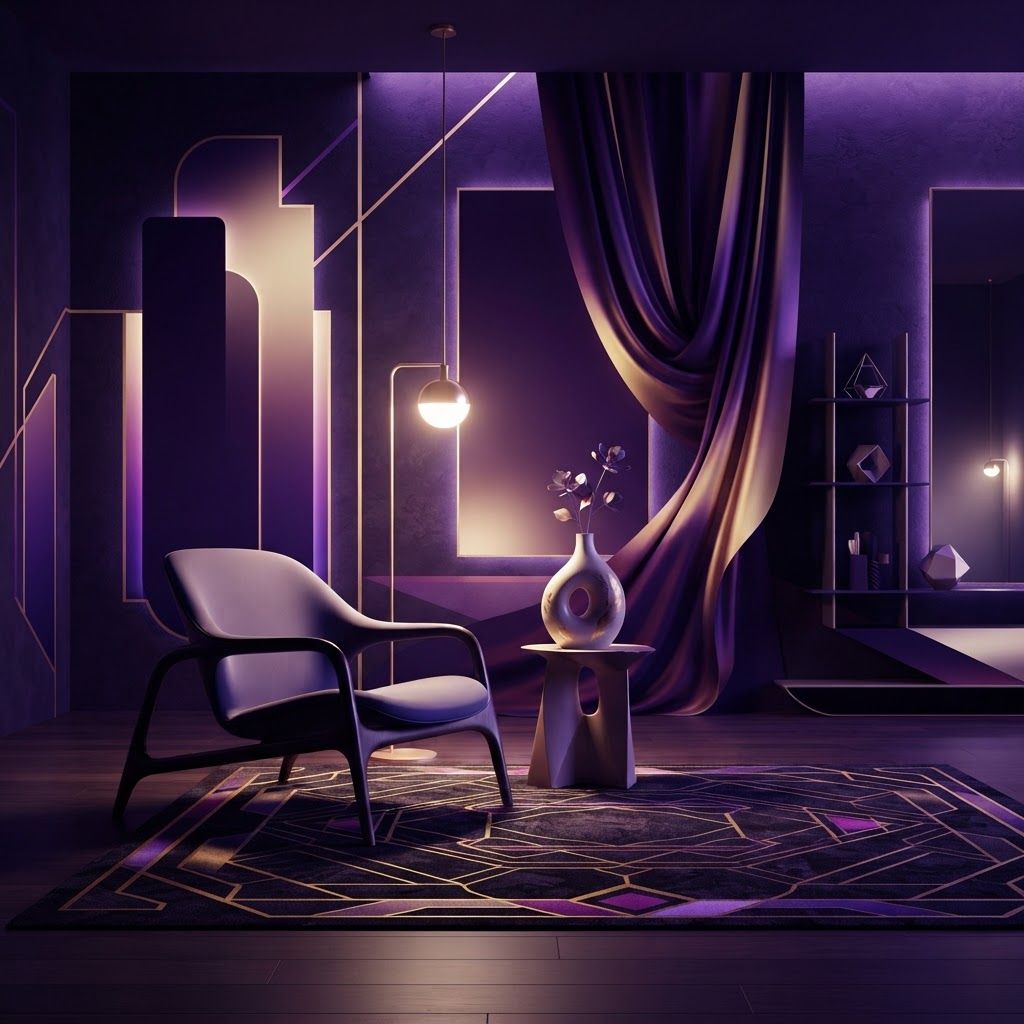
Furnishing a Home in the Santa Clarita Valley
Santa Clarita's housing mix ranges from Spanish and Mediterranean-influenced tract homes to contemporary hillside custom builds and newer transitional designs. That variety shapes local decor preferences toward warm neutrals, natural textures, and finishes that read comfortably in bright natural light. Because the valley enjoys abundant sunshine and strong indoor-outdoor connection, materials must also tolerate light exposure without fading and heat without warping.
The retail landscape reflects a practical approach to shopping. Residents draw on national furniture retailers with local or nearby showrooms, boutique decor shops for accents and one-off pieces, and direct-to-consumer brands for specific categories. The most satisfying interiors typically combine sources rather than furnishing an entire home from one catalog, which produces rooms that feel collected rather than staged.
Top 10 Best Home Decor Brands in Santa Clarita
1. Pottery Barn. A perennial favorite for transitional furniture, quality upholstery, and coordinated textiles. Its strength is cohesion: pieces across collections work together easily, which makes it a dependable starting point for living and dining rooms. Solid wood construction on many case goods holds value over years of use.
2. West Elm. Known for modern silhouettes, mid-century influenced seating, and a strong assortment of rugs, lighting, and accessories. Its aesthetic suits contemporary and updated homes, and its frequent collaborations bring distinctive pieces that avoid a generic look.
3. Crate and Barrel. Respected for clean, well-proportioned furniture and genuinely excellent kitchen and dining goods. Shoppers value the balance of design quality and practical durability, particularly in dining tables and upholstered seating.
4. Arhaus. Positioned toward the premium end, Arhaus emphasizes artisan-influenced furniture, reclaimed and natural materials, and substantial upholstered pieces. It appeals to homeowners investing in statement furniture intended to last decades.
5. RH. Known for large-scale, luxurious upholstery and a restrained neutral palette, RH suits larger homes with generous room proportions. Its slipcovered seating and oversized sectionals are especially popular in family-focused floor plans.
6. Living Spaces. A strong regional furniture retailer offering broad selection across price points with substantial in-stock inventory and quick delivery. For households furnishing quickly, whether after a move or a renovation, availability is a genuine advantage.
7. Ashley Furniture. One of the most widely available furniture brands, offering extensive selection at accessible prices across traditional, transitional, and contemporary styles. It is a practical choice for secondary rooms, guest spaces, and first homes.
8. HomeGoods. The go-to destination for accessories at approachable prices, including vases, throws, mirrors, lamps, artwork, and seasonal decor. Its constantly rotating inventory rewards frequent browsing and helps layer personality into rooms furnished from larger retailers.
9. Local independent decor boutiques. Santa Clarita and the surrounding area support independent home shops carrying curated furniture, artisan ceramics, textiles, and vintage pieces. These stores provide the distinctive items that keep an interior from looking catalog-assembled, and their staff often offer genuinely useful design guidance.
10. Interior designers and design studios. While not retailers, local designers access trade-only lines unavailable to the public and can source custom upholstery, window treatments, and area rugs. For whole-home projects, engaging a designer frequently produces better outcomes per dollar spent by preventing costly mismatched purchases.
Style Directions That Work Well Locally
Several aesthetics suit the valley's architecture and light particularly well. Warm modern organic interiors combine oak and walnut tones, boucle and linen textiles, and sculptural ceramics for a look that feels current without being cold. Transitional style bridges traditional architecture and contemporary furnishings, which works well in the many Mediterranean-influenced homes locally.
Desert and Southwest-influenced palettes drawing on terracotta, sand, sage, and clay tones respond naturally to the surrounding landscape. Coastal-adjacent schemes with light woods and soft blues remain popular given the region's proximity to the coast. In each case, keeping wall colors and large upholstery neutral while introducing color and pattern through rugs, pillows, and art creates rooms that can evolve without full replacement.
Judging Material Quality
Furniture quality is largely determined by construction details that are easy to check. For upholstered seating, kiln-dried hardwood frames with corner-blocked joinery outperform particleboard and staple construction substantially. Eight-way hand-tied springs or high-quality sinuous spring systems maintain seat comfort far longer than webbing alone. Cushion fill matters too: high-resilience foam wrapped in down or fiber balances support and softness.
For case goods, solid wood or high-quality veneer over plywood outlasts particleboard, and dovetail or doweled drawer joinery with full-extension glides signals better construction. Textiles should be evaluated by rub count for durability in high-use seating, and performance fabrics have improved enough that they no longer compromise appearance.
In a sun-drenched climate, ultraviolet resistance deserves attention. Deeply dyed fabrics fade less visibly than pale ones in direct light, and window film or shades protect both furnishings and flooring. For outdoor furniture, solution-dyed acrylic upholstery and powder-coated aluminum or teak frames tolerate local heat and sun far better than inexpensive alternatives.
Building a Cohesive Interior Over Time
The most effective approach is to invest first in the pieces that anchor a room and are hardest to replace: a well-built sofa, a dining table sized correctly to the space, and a quality area rug that establishes the palette. These items set scale and color direction for everything that follows.
Lighting is the most underrated element and often the highest-impact upgrade. Layering ambient, task, and accent lighting with dimming transforms how rooms feel, particularly in evening use. Window treatments similarly elevate a space and provide practical heat control, and mounting drapery high and wide makes rooms read larger.
Accessories should come last and accumulate gradually. Rooms that feel personal are usually those where art, ceramics, books, and textiles were collected over time rather than purchased in one session. Leaving room for that evolution is a design decision rather than an incomplete project.
How to Shop Effectively
Measure before shopping, including doorways, stairwells, and elevator dimensions for delivery. Bring photos and existing finish samples so wood tones and fabrics can be compared in person. Request fabric swatches and view them in the actual room's daylight, since showroom lighting misrepresents color considerably.
Clarify lead times, especially for custom upholstery, which commonly requires several months. Confirm delivery, assembly, and removal terms, and understand return policies before ordering custom items, which are usually non-returnable. Finally, compare warranty coverage on frames, springs, and cushions, as those terms reveal how much confidence a brand has in its own construction.
Final Thoughts
Furnishing a home in Santa Clarita rewards a blended approach: anchor pieces from quality furniture brands, accents from boutiques and accessory retailers, and materials selected for a bright, warm climate. Prioritizing construction quality on the items used daily, layering lighting thoughtfully, and allowing accessories to accumulate over time produces interiors that feel both intentional and genuinely lived in.