
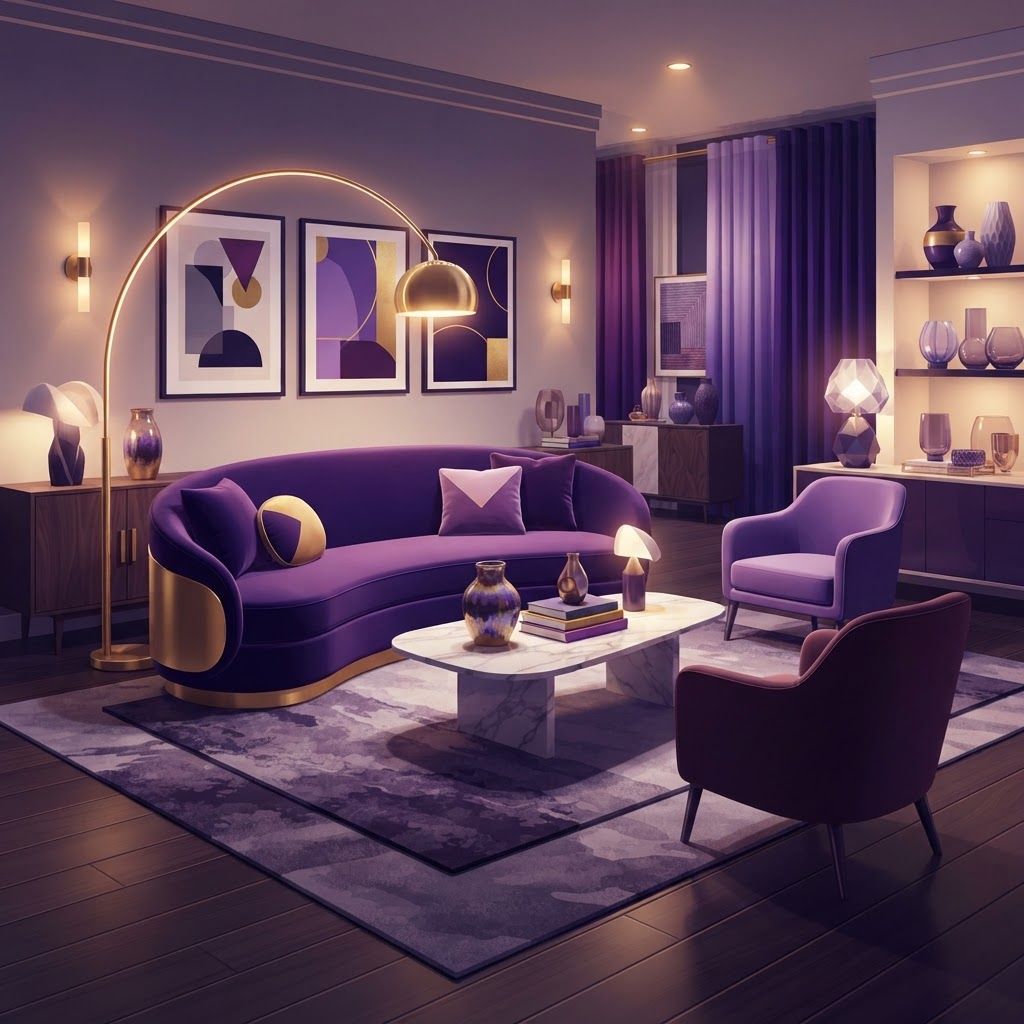
Rochester's Home Decor Character
Home decor in Rochester reflects the city's building stock and its long winters. Interiors here need to work in low natural light for months at a time, accommodate layers of textiles, and complement architecture that ranges from Victorian detailing to mid-century simplicity to contemporary loft conversions. The result is a decor market that leans toward warmth, texture, and durability rather than purely minimalist trends.
The city also supports a notable maker community. Ceramics, woodworking, textiles, and lighting produced locally give households access to pieces that carry provenance rather than mass-market anonymity, and these items often anchor rooms more effectively than larger furniture purchases.
Categories in the Local Market
Full-service furniture showrooms offer sofas, dining sets, bedroom collections, and design consultation. Their advantage is coordination: staff can assemble a coherent room rather than selling isolated items.
Specialty decor retailers concentrate on accessories such as lighting, rugs, art, mirrors, textiles, and seasonal items. These stores tend to change inventory frequently, rewarding repeat visits.
Local makers and artisan studios produce handmade goods in limited quantities, including pottery, wall art, custom furniture, and hand-woven textiles.
Vintage and antique dealers occupy a strong position in Rochester given the age of the region's housing, supplying period-appropriate pieces for older homes as well as mid-century items for contemporary interiors.
Ten Home Decor Brands and Retailers in Rochester
Genesee Home Furnishings is a full-service showroom carrying upholstery, casegoods, and dining collections with in-store design assistance.
Flour City Ceramics Studio produces handmade pottery including vases, planters, and serving pieces, with glazes developed in-house.
Lakeside Textile Company focuses on throws, pillows, and window treatments in wool and natural fibers suited to cold-weather layering.
Heritage Antiques Gallery specializes in period furniture and decorative objects appropriate to the city's Victorian and early twentieth-century homes.
Monroe Lighting Studio carries decorative lighting including pendants, sconces, and floor lamps, with staff guidance on layering light in dim winter interiors.
Canal City Rug Merchants offers hand-knotted, flatweave, and machine-made rugs across a range of price points, along with cleaning and repair services.
Northline Woodcraft builds solid wood furniture including tables, benches, and shelving using regional hardwoods.
Empire Art & Frame combines original artwork and prints with custom framing, helping clients scale and group pieces for specific walls.
Riverbend Modern Home concentrates on contemporary and mid-century inspired furnishings suited to loft and open-plan conversions.
Brighton Seasonal Decor specializes in holiday and seasonal accents, wreaths, and table settings, with inventory that rotates through the year.
Building a Cohesive Interior
Cohesion comes from restraint rather than matching. A limited palette of three to five colors across a room, repeated in varying proportions, creates unity while allowing individual pieces to stand out. Mixing materials such as wood, metal, ceramic, and textile adds depth that a single-material scheme cannot achieve.
Scale is the most common mistake. Rugs that are too small, art hung too high, and lighting undersized for the room all undermine otherwise good selections. Measuring before purchasing, and where possible taping out dimensions on the floor, prevents expensive errors.
Lighting deserves particular attention in this climate. Layering ambient, task, and accent lighting compensates for short winter days, and warmer color temperatures make interiors feel considerably more comfortable during the darkest months.
Shopping Strategically
Investment pieces such as sofas, dining tables, and rugs justify higher spending because they endure daily use and define a room. Accessories, seasonal items, and trend-driven pieces are better purchased economically since they will be changed more often.
Local purchasing has practical benefits beyond supporting regional businesses. Delivery is simpler for large items, quality can be assessed in person rather than from photographs, and custom or made-to-order work becomes feasible. Furniture upholstery and finish choices in particular are difficult to judge accurately from screens.
Decorating for Older Rochester Homes
Period homes impose their own logic. Rooms are often smaller and more defined than in contemporary layouts, ceilings can be tall, windows may be tall and narrow, and original woodwork frequently occupies significant visual weight. Fighting these features rarely succeeds. Working with them, by choosing furniture scaled to the room and colors that complement rather than compete with stained trim, produces far more satisfying results.
Radiators, uneven plaster, and limited closet space are practical constraints that decor can address. Radiator covers double as display surfaces, textured wall finishes can disguise imperfect plaster more gracefully than flat paint, and freestanding wardrobes provide storage without construction.
Layering matters through winter. Heavier curtains, wool rugs over hardwood, and textured throws add both physical warmth and visual comfort during months when a room is occupied far more hours per day than in summer.
Sustainable and Secondhand Sourcing
Vintage and secondhand purchasing has become a mainstream strategy rather than a budget compromise. Older furniture was frequently built with solid wood and traditional joinery, making it more durable than comparably priced new production. Reupholstering a well-built frame often costs less than buying new and yields a piece that lasts decades longer.
Estate sales, consignment shops, and antique dealers across the region turn over inventory constantly, and patience is the main requirement. Buying gradually rather than furnishing a room in a single transaction also produces interiors with more character and less showroom uniformity.
Final Thoughts
Rochester's home decor market rewards patience and mixing. Combining a few well-made investment pieces with locally produced accessories, vintage finds, and layered lighting produces interiors that feel personal rather than assembled from a catalog. Working with retailers and makers who understand the region's architecture and light conditions makes that outcome considerably easier to achieve.