
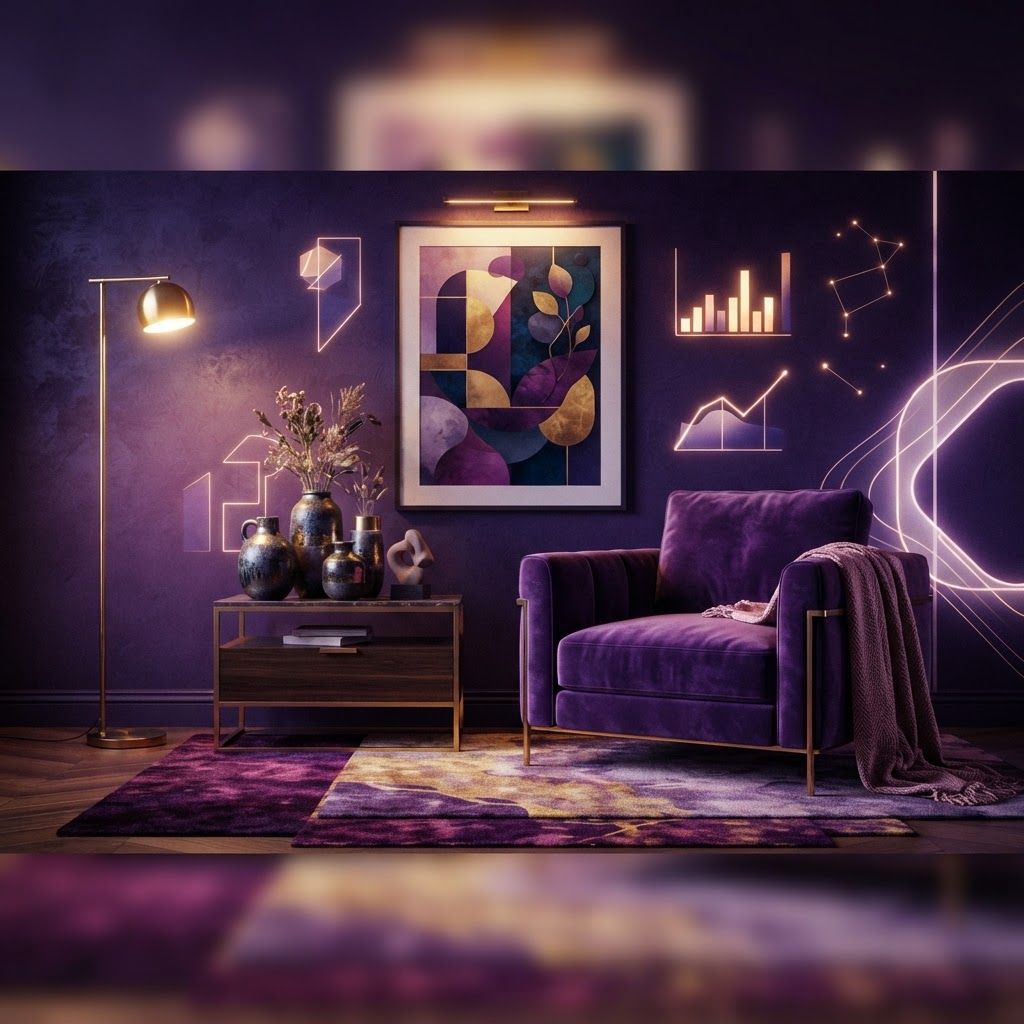
Furnishing Homes With Real Character
Pittsburgh homes present a decorating challenge that catalog styling rarely addresses. Rooms are often smaller and more numerous than in modern open plans. Ceilings can be high, windows tall and narrow, and walls interrupted by radiators, original trim and fireplaces that are no longer functional but still command attention. Floors are frequently original hardwood with a warm tone that fights cool gray furnishings.
Those constraints reward thoughtful sourcing over mass purchasing. A sectional sized for a suburban great room will not navigate a rowhouse stairwell, let alone fit the room. Scale, proportion and the ability to specify dimensions become more important than brand recognition.
The region's shopping landscape suits this well. Alongside established full-service furniture retailers, the city supports independent makers, vintage and antique dealers, textile and rug specialists, and design studios that provide guidance rather than only product. The best results usually come from mixing these sources: a few substantial investment pieces, some custom or made-to-measure elements, and vintage finds that give a room history.
Ten Home Decor Sources Worth Knowing
Perlora is a well-known local retailer offering contemporary furniture with an emphasis on modern design and customizable upholstery configurations.
Weisshouse has served the region for generations, combining furniture, rugs, tile and flooring with design consultation under one roof.
Levin Furniture provides broad selection across styles and price points with multiple area locations and delivery infrastructure.
Room Service offers curated home furnishings, lighting and accessories with a distinctly design-forward point of view rather than volume selling.
Steel City Home Goods represents the independent boutiques stocking accessories, ceramics, textiles and small furnishings from makers who produce in limited quantities.
Allegheny Antiques & Vintage covers the strong local market for antique and mid-century furniture, where solid wood construction and unrepeatable character often cost less than new mass-market pieces.
Three Rivers Custom Upholstery reupholsters quality frames and builds custom seating to specific dimensions, a practical solution for awkward rooms and for preserving well-made older furniture.
Keystone Rug Gallery specializes in handmade, flatweave and vintage rugs, which anchor rooms with original floors and define zones in multipurpose spaces.
Hilltop Lighting Studio focuses on fixtures, from period-appropriate reproductions for older homes to contemporary statement pieces, along with shade and finish specification.
Riverbend Interior Design Studio completes the list providing full design services including space planning, sourcing and installation for clients who want a coordinated result rather than piecemeal purchases.
How to Buy Furnishings That Last
Construction quality is discernible if you know where to look. On upholstery, examine the frame material, joinery and suspension. Kiln-dried hardwood frames with corner blocking outlast engineered panels and staples. Eight-way hand-tied springs or high-quality sinuous springs beat webbing alone. Cushion fill density determines whether a sofa holds shape after two years.
On case goods, solid wood or quality veneer over stable substrate, dovetailed drawers, dust panels and smooth full-extension glides indicate real construction. Weight is a rough proxy: substantial pieces usually contain substantial materials.
Textiles deserve attention in households with children and pets. Performance fabrics have improved dramatically, offering stain resistance and abrasion durability without the plastic feel of earlier generations. Ask for the double rub rating and cleaning code before committing.
Finally, measure everything, including the path from the door to the room. Stair turns, doorway widths and landing dimensions defeat more purchases in Pittsburgh than room size does.
Trends in Home Decor
Warmth has returned decisively. Cool gray palettes have given way to warm neutrals, earthy greens, terracotta accents and natural wood tones, particularly white oak and walnut. Layered lighting has replaced single-fixture rooms, with table lamps, sconces and dimmers creating usable evening atmosphere.
Vintage and secondhand buying has become mainstream rather than a budget compromise, driven by both sustainability and a desire for pieces with provenance. Mixing periods deliberately is now the dominant look, and it happens to suit older homes perfectly.
Texture is doing the work that bold color once did: bouclé, linen, wool, rattan, unglazed ceramics and plaster finishes provide interest in restrained palettes. Rooms are also being designed for multiple functions, with furniture that adapts to work, dining and relaxation in the same footprint.
Practical Advice for Decorating Older Homes
Work with the architecture rather than against it. Original trim, tall baseboards and window casings are assets, and paint colors chosen to complement them look intentional. Radiators can be integrated with covers that double as shelving rather than hidden awkwardly.
Invest where contact and use are highest: seating, mattresses, dining chairs and lighting. Economize on decorative items that can be replaced as taste evolves. Buy rugs generously sized; undersized rugs make rooms feel smaller than bare floors would.
Consider lead times realistically. Custom upholstery and made-to-order pieces take months, and planning around that prevents filling a room with temporary purchases that become permanent by default.
Final Thoughts
Good decorating in Pittsburgh is largely about scale, warmth and sourcing from multiple places rather than furnishing a room from a single showroom floor. The ten sources above span contemporary and traditional retailers, curated boutiques, antiques, custom upholstery, rugs, lighting and full design services. Measure access paths before buying, prioritize construction quality on high-use pieces, embrace vintage alongside new, and let the home's original details guide the palette.