
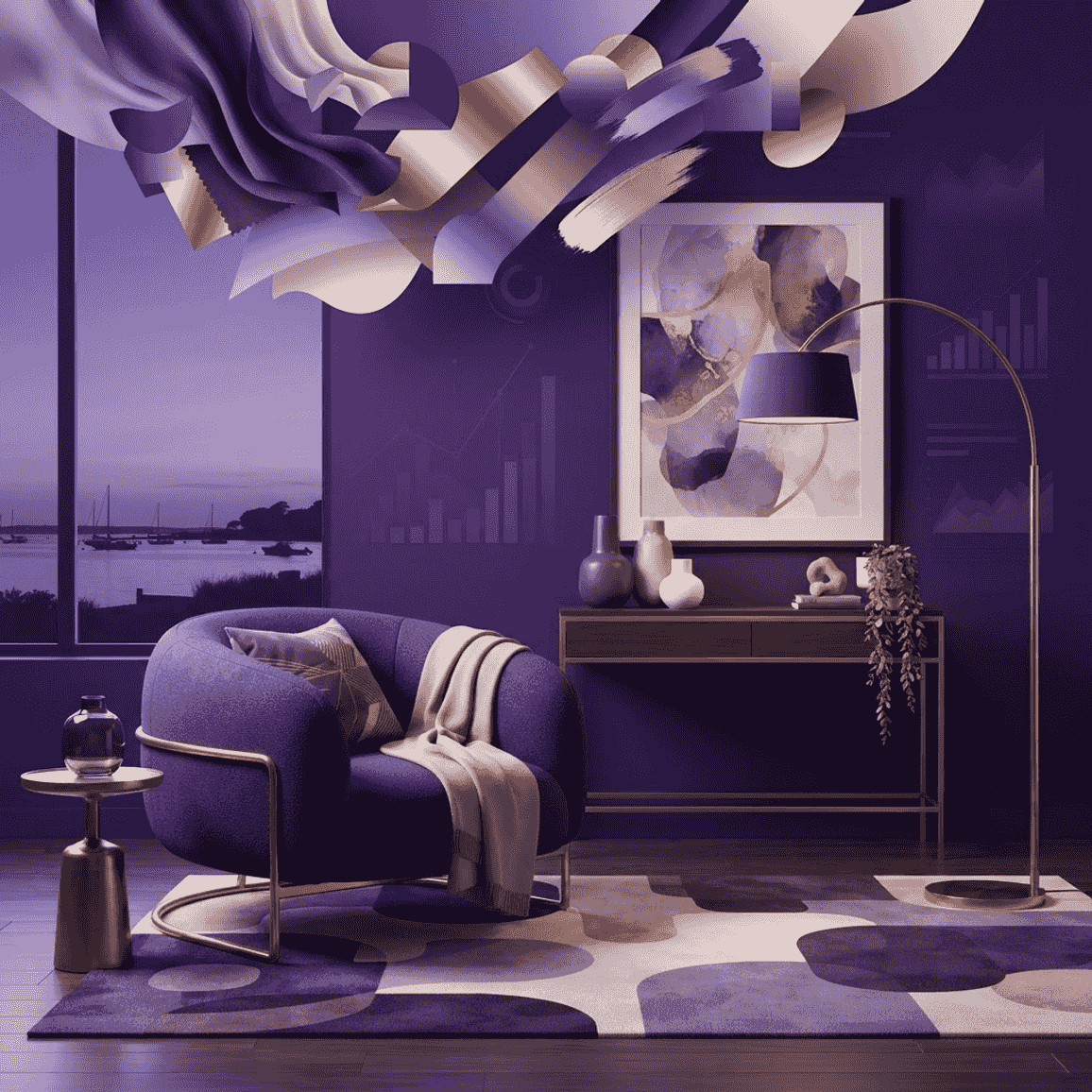
How Oyster Bay Interiors Differ
Decorating in Oyster Bay means working with two givens: architecture with genuine period character and light that comes off the water. Neither is neutral. Homes here frequently feature original mouldings, plaster walls, wide-plank floors, fireplaces with historic mantels, and window proportions designed long before open-plan living. Furnishings that ignore those elements look imported rather than resident.
Coastal light is the second consideration and it is routinely underestimated. Reflected harbour light is cooler and brighter than inland light, and it shifts dramatically through the day. Paint colours and fabrics chosen under showroom lighting frequently read differently here, with greys turning blue and warm whites turning yellow. Experienced local designers and retailers always insist on evaluating samples in the actual room at multiple times of day.
Humidity and salt air complete the picture. Solid wood furniture moves seasonally, which is normal and expected in quality construction but problematic in poorly built pieces. Natural fibre rugs can suffer in damp rooms. Unlacquered brass and untreated iron develop patina quickly. Performance textiles, marine-grade finishes, and moisture-tolerant materials are practical choices rather than compromises in this environment.
Ten Home Decor Brands Serving Oyster Bay
Harbor House Interiors is a full-service furnishing brand combining a curated showroom with in-house design service, known for coastal-informed palettes that avoid literal nautical themes in favour of restrained texture and tone.
Sagamore Antiques and Estate Furnishings deals in period furniture, mirrors, lighting, and decorative objects, with provenance documentation and restoration capability, serving homeowners furnishing historically appropriate rooms.
North Shore Custom Upholstery builds made-to-order sofas, sectionals, headboards, and dining chairs with hardwood frames and eight-way hand-tied or high-quality sinuous spring construction, offering full control of dimension, fill, and fabric.
Mill Pond Textile Company specializes in fabrics, drapery, and soft furnishings, fabricating custom window treatments, cushions, and bedding, with an emphasis on light-management solutions for bright waterfront rooms.
Cove Lighting Studio focuses exclusively on decorative lighting, from historically appropriate fixtures for period homes to contemporary sculptural pieces, and advises on colour temperature and layering, which is where most rooms fail.
Bayville Rug Gallery carries hand-knotted, flatweave, and performance rugs across traditional and contemporary designs, offering in-home trials, custom sizing, cleaning, and repair.
Theodore Street Home Goods serves the accessible end of the market with well-edited accessories, tabletop, seasonal decor, and gifts, functioning as the practical resource for finishing a room rather than furnishing it.
Locust Valley Design Atelier operates at the high end, providing full-service interior design with custom cabinetry, millwork coordination, bespoke furniture commissions, and trade access to workrooms and artisans.
Oyster Bay Coastal Living concentrates on relaxed, durable furnishing suited to homes that see beach traffic and guests, prioritizing performance fabrics, slipcovered seating, and washable materials.
Tidewater Woodworks completes the list as a custom furniture maker producing dining tables, built-ins, benches, and casegoods in solid hardwood, built to specified dimensions for rooms that standard furniture does not fit.
How to Judge Furniture Quality
Quality is largely invisible on a showroom floor unless you know where to look. For upholstery, ask about the frame: kiln-dried hardwood joined with corner blocks and dowels or screws outlasts stapled softwood or engineered panel by decades. Ask about suspension, where eight-way hand-tied springs represent the traditional standard and quality sinuous springs are a legitimate alternative, while webbing alone is not. Cushion construction matters too, with high-resiliency foam wrapped in down or fibre offering the best balance of support and comfort.
For casegoods, open a drawer. Dovetailed joinery, solid drawer bottoms, and smooth wood-on-wood or quality metal glides indicate real construction. Look at how the back panel is attached and whether the piece is finished on surfaces you cannot see. Solid wood and quality veneer over stable substrate are both legitimate; thin printed laminate over particleboard is not, particularly in a humid coastal environment.
For textiles, ask about rub count on upholstery fabric as a durability indicator, and consider solution-dyed performance fabrics in rooms that see real use. For rugs, hand-knotted construction with a high knot density is the durability benchmark, though flatweaves and quality machine-made rugs serve well in appropriate settings.
Building a Room That Lasts
The most durable interiors follow a simple hierarchy: invest heavily in the pieces that are large, permanent, and hard to change, and stay flexible on the pieces that are small and easy to swap. Upholstery, dining tables, rugs, and lighting justify real investment. Accessories, pillows, art placement, and seasonal textiles are where trend expression belongs, because you can change them without cost.
Layering is the technique that makes rooms feel considered. Lighting should operate on at least three levels: ambient overhead, task lighting at seating and work surfaces, and accent lighting on art or architecture. Texture should vary even when colour does not, mixing woven, smooth, matte, and reflective surfaces. Scale should vary too, since a room of similarly sized objects reads flat.
Restraint is the final discipline. Rooms in period homes are already doing visual work through their architecture, and the most successful Oyster Bay interiors let mouldings, windows, and floors carry part of the composition rather than competing with them.
Trends in Local Interiors
Several directions are evident. Performance materials have moved decisively upmarket, appearing in high-end upholstery rather than only in family rooms. Warm woods and honest materials are displacing high-gloss and heavily engineered finishes. Vintage and antique integration is growing, driven by both sustainability interest and a desire for rooms that do not look catalogue-assembled. Custom fabrication is increasingly practical for the many local homes with non-standard dimensions. And colour is returning after a long neutral period, though locally it tends toward deep saturated tones used in smaller rooms rather than across open plans.
Working With Local Brands
The advantage of buying locally is service that continues after delivery: measuring, in-home sample review, white-glove installation, and repair or reupholstery years later. Bring photographs, floor plan dimensions, and existing finish samples to any consultation. Always take fabric and paint samples home and view them in the room across a full day, particularly in waterfront light.
Ask about lead times honestly, since custom upholstery and drapery are measured in months rather than weeks, and plan sequencing accordingly. The brands on this list have earned their reputations by delivering rooms that still look right five years later, which in interiors is the only measure that matters.