
Getting Around Without a Car
Oyster Bay is a suburban community, and car ownership remains the default. But a meaningful and growing share of residents rely on public transit — commuters heading into Manhattan, students traveling to campuses, older residents no longer driving, workers arriving from surrounding communities, and visitors exploring the historic district. For all of them, understanding the transit network is the difference between convenient mobility and frustrating dependence on others.
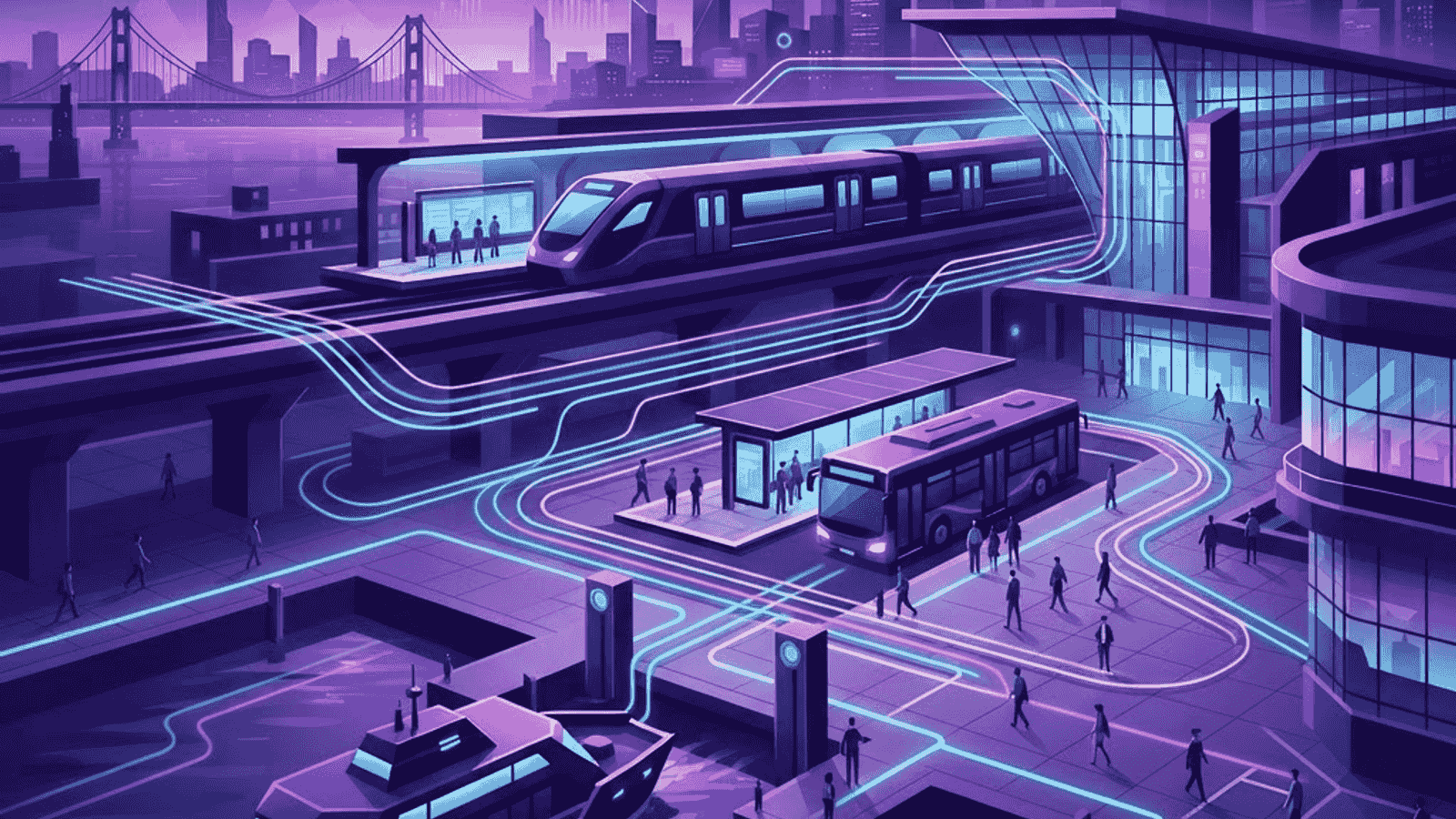
The local network is genuinely multimodal. Commuter rail provides the backbone toward the city. Bus routes connect neighborhoods and shopping districts. Ferries offer a scenic and sometimes faster water alternative. Paratransit serves riders with disabilities. Shuttles bridge the crucial first and last mile between stations and destinations. The system works best when riders treat these services as one network rather than separate silos.
How the Network Fits Together
Commuter rail handles long-distance travel efficiently but requires reaching a station. Local buses provide coverage but with lower frequency, making schedule awareness essential. Ferries are pleasant and competitive on certain corridors but weather-dependent. Paratransit requires advance booking but provides door-to-door service. Shuttles and microtransit fill gaps that fixed routes cannot serve economically. Effective transit use in Oyster Bay almost always means chaining two or more of these together.
1. Long Island Rail Road Oyster Bay Branch
The Oyster Bay Branch is the spine of local transit, connecting the village toward Jamaica and Manhattan with peak-hour service designed around commuters. Riders benefit from digital ticketing, station parking and connections to the broader regional rail network. Off-peak frequency is limited, so schedule planning matters.
2. Nassau Inter-County Express Bus Network
The county bus network provides route coverage across Oyster Bay and neighboring communities, linking residential areas to shopping centers, medical facilities and rail stations. Real-time arrival tracking and contactless fare payment have improved the experience considerably in recent years.
3. Oyster Bay Station Shuttle Service
Bridging the first and last mile, this shuttle connects the rail station to village destinations, employment clusters and residential areas timed to train arrivals. For commuters who cannot secure station parking, it is genuinely enabling infrastructure.
4. North Shore Community Ferry
Operating seasonal and commuter water routes, the community ferry offers an alternative crossing that avoids road congestion entirely. Travel is comfortable and scenic, though service is subject to weather and seasonal schedules, so it works best as a complement rather than a sole option.
5. Able Ride Paratransit Service
Providing door-to-door transportation for riders with disabilities who cannot use fixed-route service, Able Ride requires eligibility certification and advance reservations. Its drivers are trained in mobility assistance, and the service is a lifeline for independent living.
6. Oyster Bay Senior Transportation Program
Focused on older residents, this program provides scheduled rides to medical appointments, grocery shopping and community centers, often with volunteer drivers offering assistance beyond the vehicle door. Demand consistently exceeds capacity, so early booking is advised.
7. Harborline Commuter Coach
A private commuter coach service offering direct express runs toward Manhattan employment centers with reserved seating and onboard connectivity. It appeals to riders who prioritize a guaranteed seat and a productive commute over the lowest fare.
8. Bayside Microtransit On-Demand
Operating app-based, dynamically routed shared vans within a defined zone, Bayside Microtransit fills gaps where fixed routes are impractical. Wait times are typically short, and fares sit between bus and rideshare pricing.
9. Sagamore School Transportation Services
While primarily serving students, the district transportation network is a significant part of local mobility infrastructure, with route planning, safety technology and driver training that reduce private vehicle trips substantially during school terms.
10. Cove Point Accessible Transit Partners
Specializing in wheelchair-accessible vehicles for medical appointments and community travel, Cove Point Accessible Transit Partners offers scheduled and on-demand service with trained attendants, complementing public paratransit capacity.
Trends in Public Transit
Fare payment has modernized rapidly, with contactless and mobile ticketing replacing paper across most services. Real-time arrival information has become an expectation rather than a feature, and it measurably increases ridership by reducing uncertainty. Microtransit is being adopted specifically to solve low-density coverage problems that fixed routes handle poorly. Fleet electrification is progressing, driven by both emissions goals and lower operating costs. And post-pandemic travel patterns have flattened peaks, prompting operators to rebalance service toward all-day frequency rather than narrow rush-hour concentration.
Making the Most of Local Transit
Plan trips as combinations rather than single rides, since the shuttle-plus-rail or bus-plus-ferry pairing often beats any single mode. Use official apps for real-time information, because printed schedules do not reflect delays. Understand fare products carefully, as monthly passes and multi-ride tickets substantially reduce cost for regular travel. Register for paratransit eligibility well before you need it, since certification takes time. Build buffer into connections, particularly for transfers between operators that do not coordinate schedules. And for accessibility needs, confirm vehicle equipment and station facilities in advance rather than on the day.
Final Thoughts
Public transit in Oyster Bay will not replace the car for every trip, but it covers far more than most residents assume. Rail into the city, buses across the county, ferries across the water, and shuttles and paratransit filling the gaps together form a workable network. Learning to combine them intelligently unlocks mobility that a single-mode view of transit never reveals.