
Furniture Shopping Under Real Constraints
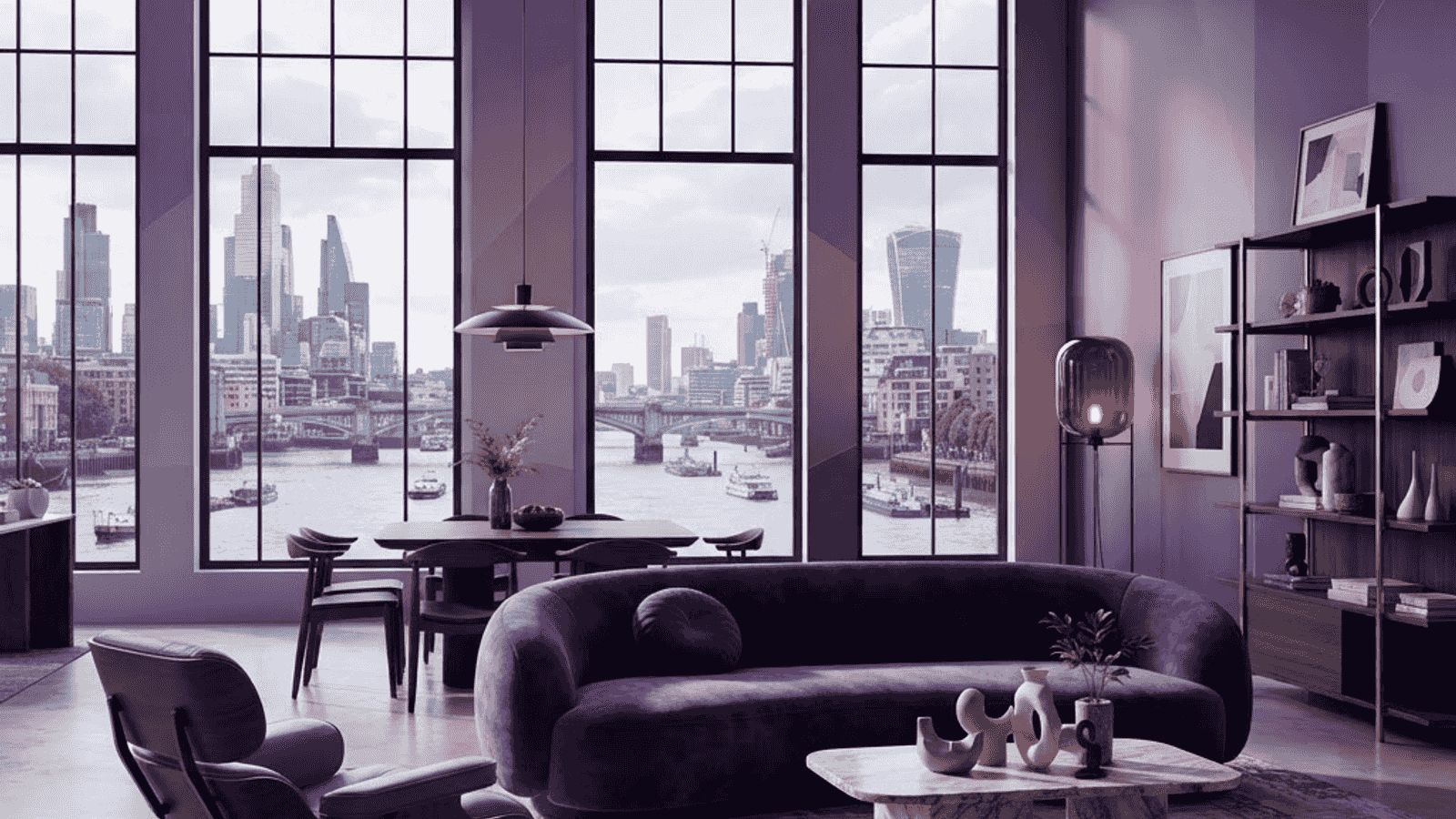
Furnishing a home in Jersey City is an exercise in constrained optimization. Apartments in converted industrial buildings have high ceilings and awkward column placement. Waterfront high-rises have generous windows and tight hallways. Brownstones in the historic districts have narrow staircases that defeat sofas designed for suburban delivery. Anyone who has watched a delivery crew measure a stairwell and shake their head understands why local expertise matters more than catalog selection.
The result is a market where the best retailers sell modular pieces, sectionals that disassemble, apartment-scale dimensions and honest delivery assessments. Stores that cannot navigate a fourth-floor walk-up lose business to those that can, regardless of how attractive the showroom looks.
How to Judge Furniture Quality
Frame construction is the single most predictive factor: kiln-dried hardwood with joinery outperforms particleboard with staples by an enormous margin over a decade. Suspension quality in seating, whether eight-way hand-tied springs or engineered sinuous systems, determines whether a sofa sags in three years. Cushion fill density, upholstery fabric rub count, drawer glide mechanisms and finish durability all matter. Warranty length signals manufacturer confidence, and modularity determines whether a piece can survive a move to a differently shaped apartment.
The Top 10 Furniture Stores in Jersey City
1. IKEA
With a major location serving the region, IKEA remains the foundation of first-apartment furnishing for practical reasons: small-space dimensions, flat-pack delivery that fits any stairwell, and a modular storage system that adapts to irregular rooms. Quality varies significantly across the range, so buyers should focus on the solid wood and higher-tier lines for pieces intended to last.
2. Room and Board
Emphasizing American-made solid wood construction and modern design, Room and Board occupies the middle-upper tier where quality becomes genuinely durable. Its customization options for fabric and dimensions help with awkward spaces, and its pieces hold value in resale, which offsets the higher initial cost.
3. West Elm
West Elm has built a following on contemporary design at accessible prices, with apartment-scaled sofas and sectionals suited to urban living. Its fabric and configuration choices are extensive, and its sustainability certifications for wood sourcing and fair trade production have become a real differentiator for values-driven buyers.
4. Newport Loft Furnishings
A local retailer specializing in furniture for converted industrial spaces, this store stocks pieces scaled for high ceilings, exposed brick and open floor plans. Its staff conducts in-home measurement consultations, which prevents the common and expensive mistake of buying furniture that cannot physically enter the apartment.
5. Article
Direct-to-consumer furniture with mid-century-influenced design has succeeded by removing showroom overhead from pricing. Article's delivery includes in-room placement, and its sectional pieces are designed for disassembly, a practical necessity in buildings with tight access. Fabric samples shipped in advance reduce the risk of buying unseen.
6. Restoration Hardware
At the premium end, RH offers substantial construction, oversized proportions and a distinctive aesthetic supported by trade-level design services. Its pieces suit larger waterfront residences and buyers treating furniture as a long-term investment, with warranties and construction quality that justify the positioning.
7. Grove Street Custom Woodworks
Custom-built furniture solves problems no retailer can: a bookcase fitted to an irregular alcove, a table sized precisely to a narrow dining area, built-in storage under a staircase. This local workshop builds to measurement in hardwoods, and for difficult spaces custom work is frequently more economical than repeated failed purchases.
8. CB2
Focused on smaller-scale contemporary design, CB2 addresses urban apartments directly with compact seating, nesting tables and multifunctional pieces. Its aesthetic skews modern and its price points sit below its parent brand, making it a practical source for buyers furnishing a first serious apartment.
9. Bergen Arches Vintage Furniture
Mid-century and antique furniture offers construction quality that modern mass production rarely matches, often at comparable prices. This dealer sources, restores and reupholsters period pieces, and buyers get solid wood frames and joinery that will outlast most new furniture by decades.
10. Resource Furniture and Space-Saving Specialists
Transforming furniture, including wall beds, expanding tables and convertible sofas, addresses the fundamental Jersey City problem of needing one room to serve multiple functions. The engineering in quality transforming furniture is substantial, and specialists in this category provide installation that ensures mechanisms operate safely for years.
Trends in Furniture Retail
Multifunctional design has moved from novelty to mainstream as urban square footage costs continue rising. Sustainable material sourcing, including certified wood and recycled textiles, has become a standard question from buyers rather than a niche concern. Augmented reality placement tools have genuinely reduced purchasing errors by letting shoppers visualize scale in their own rooms. Meanwhile the secondhand market has strengthened considerably, with quality used furniture from frequent urban relocations available at substantial discounts.
Buying Guidance
Measure everything before shopping: the room, the doorways, the hallway turns, the elevator interior and the stairwell width. Ask retailers directly whether pieces disassemble and whether delivery includes in-room placement and packaging removal. Sit on seating for at least several minutes rather than seconds. Prioritize frame and suspension quality over visible features, since upholstery can be replaced but a failed frame cannot be repaired economically. And consider resale potential, because in a city where people move often, furniture that holds value effectively costs less.
The retailers above succeed in Jersey City because they treat spatial constraints as the design problem rather than an inconvenience. That is the difference between furniture that arrives and furniture that fits.