
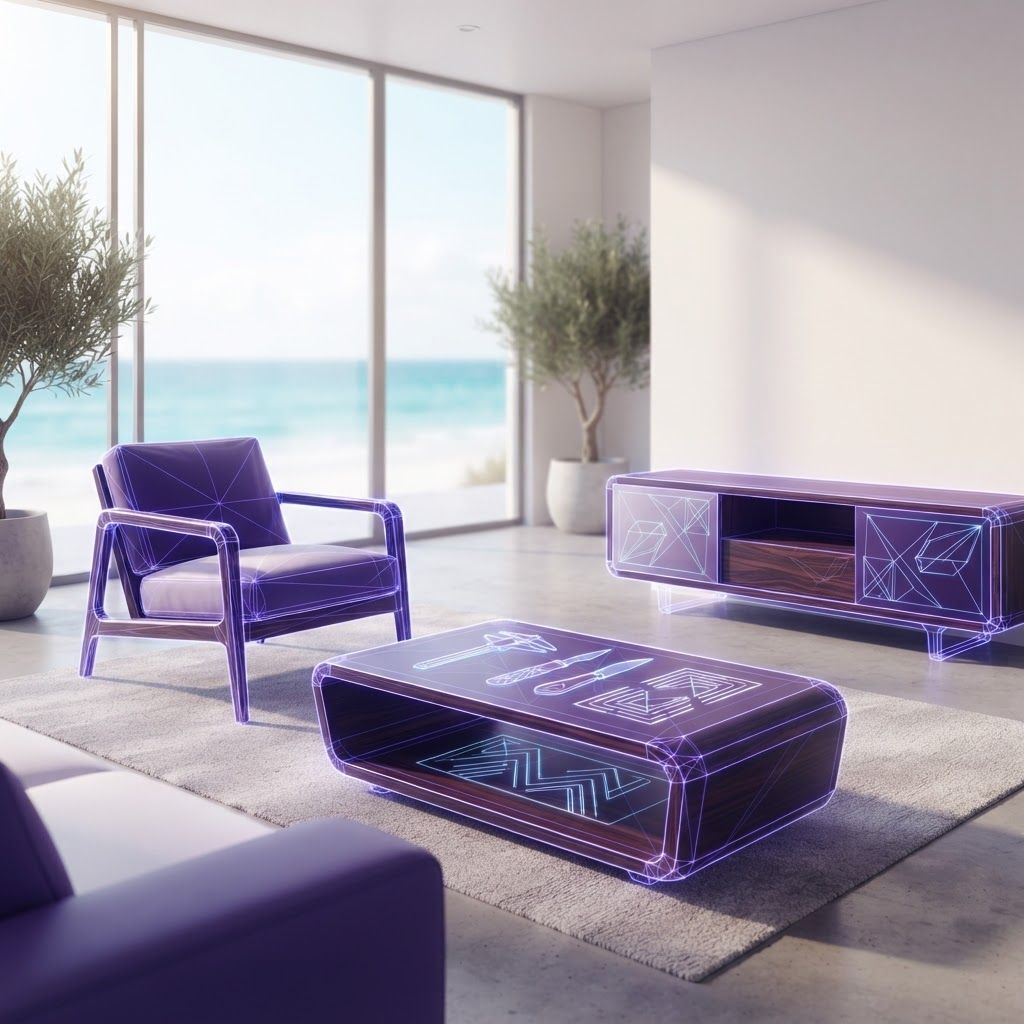
Furniture Making in a Humid Coastal Climate
Furniture manufacturing in Cape Coral is shaped by conditions that punish conventional construction. Sustained humidity causes wood to swell, contract and, in poorly ventilated spaces, develop mold. Salt air corrodes hardware. Direct sun fades finishes and degrades fabrics. Outdoor living is a year-round expectation, so patios, lanais and docks demand furniture engineered for permanent exposure.
Local makers have adapted with material choices and construction techniques suited to the environment. Marine-grade plywood and moisture-resistant substrates replace standard particleboard in wet areas. Powder-coated aluminum and teak dominate outdoor frames. Stainless and coated hardware resist corrosion. Finishes are selected for ultraviolet stability rather than showroom appearance alone. The result is furniture that looks appropriate to the setting and survives it.
Top 10 Furniture Manufacturers Serving Cape Coral
1. Caloosa Custom Cabinetry builds kitchen and bath cabinetry using moisture-resistant substrates and conversion finishes suited to humid interiors.
2. Gulf Coast Outdoor Furniture Works manufactures patio seating, dining sets and lounge furniture from powder-coated aluminum and weather-rated woven materials.
3. Coral Coast Marine Interiors produces vessel cabinetry, berths, galley units and upholstered seating designed for weight, motion and moisture.
4. Bimini Basin Woodworks creates hardwood dining tables, casework and architectural millwork with traditional joinery.
5. Del Prado Built-In Solutions specializes in closets, entertainment centers, office built-ins and garage storage systems.
6. Matlacha Teak and Coastal Living focuses on teak and reclaimed wood furniture with natural oil finishes for indoor and covered outdoor use.
7. Harbour Point Hospitality Furnishings supplies contract-grade furniture to hotels, clubs, restaurants and rental properties.
8. Pelican Upholstery Manufacturing builds and reupholsters seating with performance fabrics, antimicrobial foam and quick-dry systems.
9. Southwest Florida Metal Furniture fabricates steel and aluminum tables, shelving and industrial-style pieces with marine-grade coatings.
10. Yacht Club Bespoke Furniture Studio completes the list with high-end commissioned pieces, veneer work and integrated lighting and hardware.
Materials That Actually Perform Here
Material knowledge is the clearest indicator of a serious manufacturer. In cabinetry, marine-grade or moisture-resistant plywood in sink bases and coastal properties prevents the swelling and delamination that ruins standard construction. Conversion varnish and catalyzed finishes resist humidity and cleaning chemicals better than simple lacquer.
For outdoor furniture, powder-coated aluminum offers strength without corrosion, while teak weathers gracefully thanks to natural oils. Woven outdoor materials should be UV-stabilized synthetic rather than natural fiber. Cushion construction matters greatly: quick-dry foam with reticulated cores and mildew-resistant, solution-dyed covers dramatically outlast conventional upholstery in humid conditions.
Hardware is frequently the overlooked failure point. Stainless slides, hinges and fasteners cost more initially and pay back through years of smooth operation in salt-affected air.
Craftsmanship and Production Methods
Local shops typically blend CNC precision with hand finishing. Computer-controlled routing improves consistency in casework and reduces waste, while skilled assembly, sanding and finishing determine the final result. Dovetailed drawers, mortise and tenon joinery, and floating panel construction that accommodates seasonal movement all indicate quality intent.
Custom capability is the competitive advantage of local makers. Waterfront homes and vessels rarely have standard dimensions, and built-ins around angled walls, curved bulkheads or unusual window placements require on-site measurement and one-off fabrication that national suppliers cannot match economically.
Industry Trends
Outdoor living continues to expand, with clients treating lanais and patios as fully furnished rooms including cabinetry, kitchens, storage and lighting. That has driven growth in weather-rated cabinetry using aluminum, marine polymer and stainless components.
Sustainability influences purchasing more each year. Reclaimed and responsibly harvested wood, low-emission adhesives and finishes, and durability as an environmental strategy all feature in customer conversations. Longevity is increasingly recognized as the most meaningful sustainability metric for furniture.
Short-term rental growth has boosted demand for contract-grade furnishings that withstand heavy turnover, along with faster lead times and replaceable component design. Digital tools including three-dimensional renderings and laser measurement have become standard, helping clients approve designs confidently before production begins.
How to Choose a Furniture Manufacturer
Ask specifically which materials will be used where, particularly substrates in wet areas and hardware grades. Request to see completed work several years old rather than only new installations, since aging reveals construction quality. Confirm finish systems and their maintenance requirements.
Clarify scope in writing: dimensions, materials, finishes, hardware, delivery, installation and timeline. Understand warranty terms, especially for outdoor pieces exposed to sun and rain, and ask how replacement parts and cushions are handled years later.
Final Thoughts
Furniture manufacturing in Cape Coral rewards makers who respect the climate. Humidity, salt and sun impose real constraints, and the shops that thrive are those choosing materials deliberately, joining them properly and finishing them for endurance rather than appearance alone. The manufacturers highlighted above have built strong reputations by delivering custom work that fits both the architecture and the environment of Southwest Florida.
What to Verify Before Ordering
Furniture destined for Southwest Florida homes should be specified for humidity before style. Ask how case goods are constructed, whether joinery accounts for seasonal movement, which finishes are used on exposed surfaces, and how hardware resists corrosion in waterfront properties where windows stay open and salt air circulates. For outdoor and lanai furniture, confirm frame alloy or marine-grade material, cushion foam drainage, mildew-resistant fabric selection and ultraviolet-stable finishes, since these choices determine whether a set lasts two seasons or a decade.
Lead time transparency is the other essential question. Custom and semi-custom work in this market is often scheduled around seasonal residency, and manufacturers who communicate realistic production windows, provide finish samples in advance and offer white-glove delivery with in-home assembly deliver a noticeably better experience. Buyers should also ask about warranty coverage, availability of replacement cushions or components, and whether refinishing and reupholstery services are offered locally. Those capabilities preserve value long after delivery and are a reliable indicator of a manufacturer that expects to stand behind its work.