
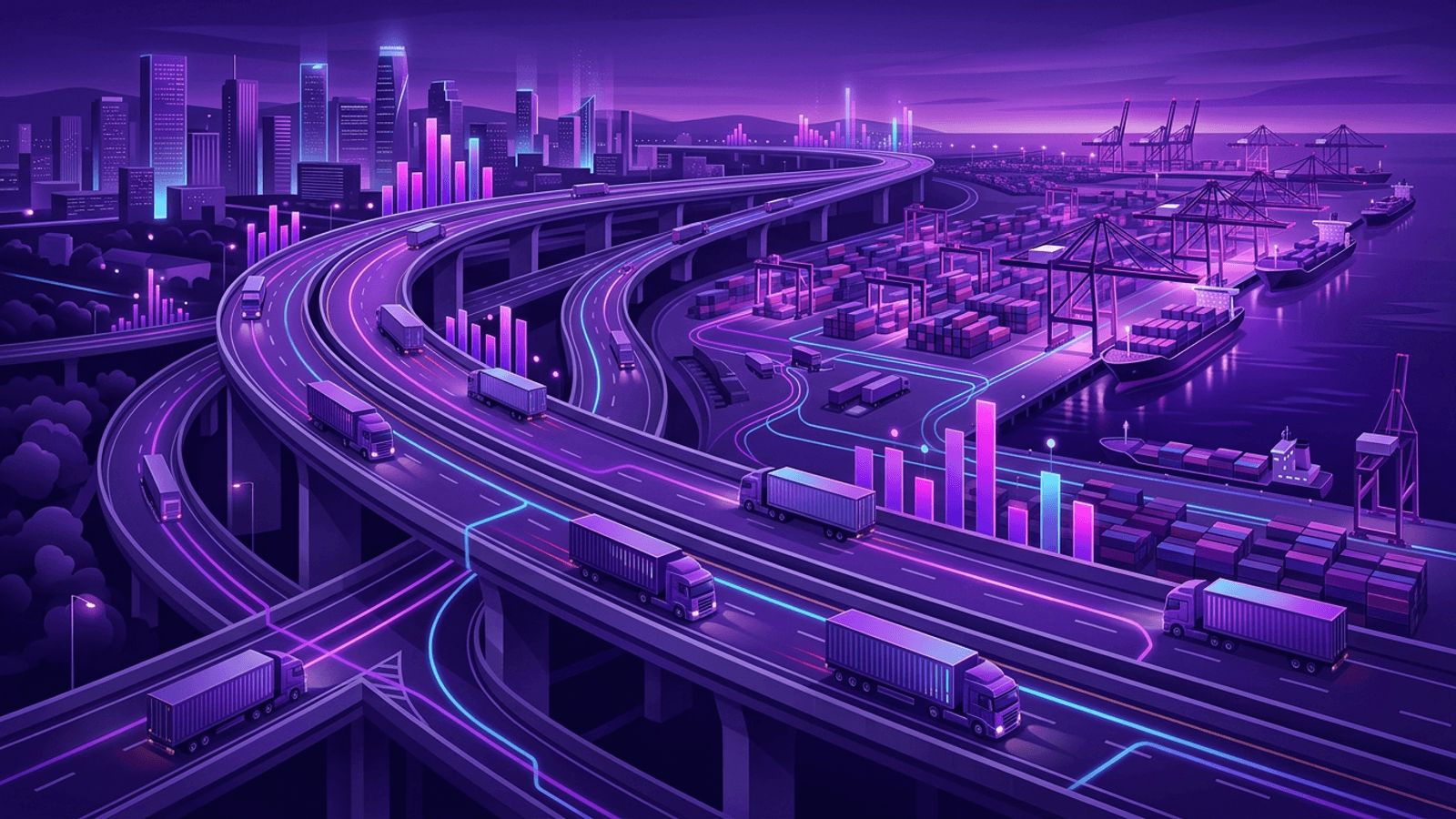
New Haven as a Freight Gateway
New Haven occupies a strategic position in the Northeast supply chain. It sits at the junction of Interstate 95 and Interstate 91, has active freight rail connections, and is home to the Port of New Haven, one of the busiest deepwater ports in New England. Manufacturers, distributors, healthcare systems, and retailers across southern Connecticut depend on freight carriers that can move goods efficiently through this corridor.
Freight demand in the region spans less-than-truckload shipments, full truckloads, bulk materials such as steel and petroleum through the port, and time-sensitive deliveries for the growing life sciences industry. Choosing the right freight partner directly affects cost, reliability, and customer satisfaction.
How We Evaluated Freight Companies
We assessed service coverage in Connecticut, on-time performance, claims ratios, technology and tracking, range of services, terminal proximity to New Haven, and reputation among shippers. We included trucking, rail, and port-based operators to reflect the region's multimodal reality.
The 10 Best Freight Companies in New Haven
1. Gateway Terminal
Gateway Terminal operates major facilities at the Port of New Haven, handling bulk and breakbulk cargo such as steel, lumber, and construction materials. Its waterfront operations, rail access, and warehousing make it a cornerstone of regional freight movement.
2. Old Dominion Freight Line
Old Dominion is consistently recognized as one of the top less-than-truckload carriers in the country for on-time delivery and low claims. Its Connecticut service network supports manufacturers and distributors that need dependable regional and national shipping.
3. FedEx Freight
FedEx Freight provides priority and economy LTL services with strong integration into the broader FedEx network. Businesses value its tracking tools and the ability to combine parcel and freight under one provider.
4. XPO
XPO is a leading LTL carrier known for technology-driven operations and a large terminal network. Its pricing tools and capacity make it popular with mid-sized shippers.
5. Estes Express Lines
Estes is one of the largest privately held freight carriers in the United States, offering LTL, volume, and final-mile services. Its expanding Northeast presence serves New Haven well.
6. Saia
Saia has grown rapidly in the Northeast, opening new terminals and building a reputation for responsive service and competitive rates.
7. ABF Freight
ABF Freight, part of ArcBest, offers LTL shipping and flexible solutions such as moving and logistics services. It is known for experienced drivers and careful handling.
8. R+L Carriers
R+L Carriers provides LTL, truckload, and specialized freight services with a focus on customer service and nationwide reach.
9. TForce Freight
TForce Freight delivers LTL and truckload options across North America, offering dependable service for shippers who need broad coverage.
10. Providence and Worcester Railroad
Providence and Worcester Railroad, part of Genesee and Wyoming, operates freight rail service in Connecticut and connects to the Port of New Haven. Rail freight is a cost-effective option for heavy and bulk commodities.
Freight Industry Trends in Connecticut
The freight industry is undergoing rapid digital transformation. Real-time tracking, digital bills of lading, and automated freight quoting have become standard expectations. Carriers are investing in cleaner trucks and exploring electric and alternative-fuel vehicles to meet state sustainability targets. Port modernization projects in New Haven have improved capacity and efficiency, attracting new cargo to the region.
Driver shortages remain a challenge nationally, pushing carriers to improve pay, safety, and working conditions. Meanwhile, nearshoring and regional manufacturing growth are increasing freight volumes along the Interstate 95 corridor.
How to Choose a Freight Carrier
Define your shipping profile first, including weight, frequency, destinations, and urgency. Request quotes from multiple carriers and compare accessorial charges such as liftgate, residential delivery, and inside delivery fees. Review claims ratios and on-time metrics. Consider multimodal options such as rail or port services for heavy or bulk cargo. Finally, build relationships with carriers that offer dedicated account management and strong tracking tools.
Frequently Asked Questions
What is the difference between LTL and full truckload?
Less-than-truckload shipping combines freight from multiple shippers in one trailer, making it cost-effective for shipments that do not fill a truck. Full truckload dedicates an entire trailer to a single shipper, which is faster and involves less handling for large volumes. Many New Haven businesses use both depending on order size.
When should a business consider rail or port freight?
Rail and port services are best for heavy, bulky, or high-volume commodities such as steel, lumber, aggregates, and fuel. While transit times can be longer, the cost per ton is often far lower than trucking, and rail produces fewer emissions per ton-mile.
How can shippers reduce freight costs?
Accurate freight class and dimensions prevent costly reclassification fees. Consolidating shipments, offering flexible pickup windows, and negotiating annual contracts can also lower rates. Working with a broker or logistics provider can help small companies access better pricing through combined volume.
Final Thoughts
New Haven's freight ecosystem combines port infrastructure, rail lines, and some of the best trucking companies in the nation. Whether you rely on Gateway Terminal for bulk cargo or Old Dominion for LTL shipments, choosing the right partner can strengthen your supply chain and support your business growth.