
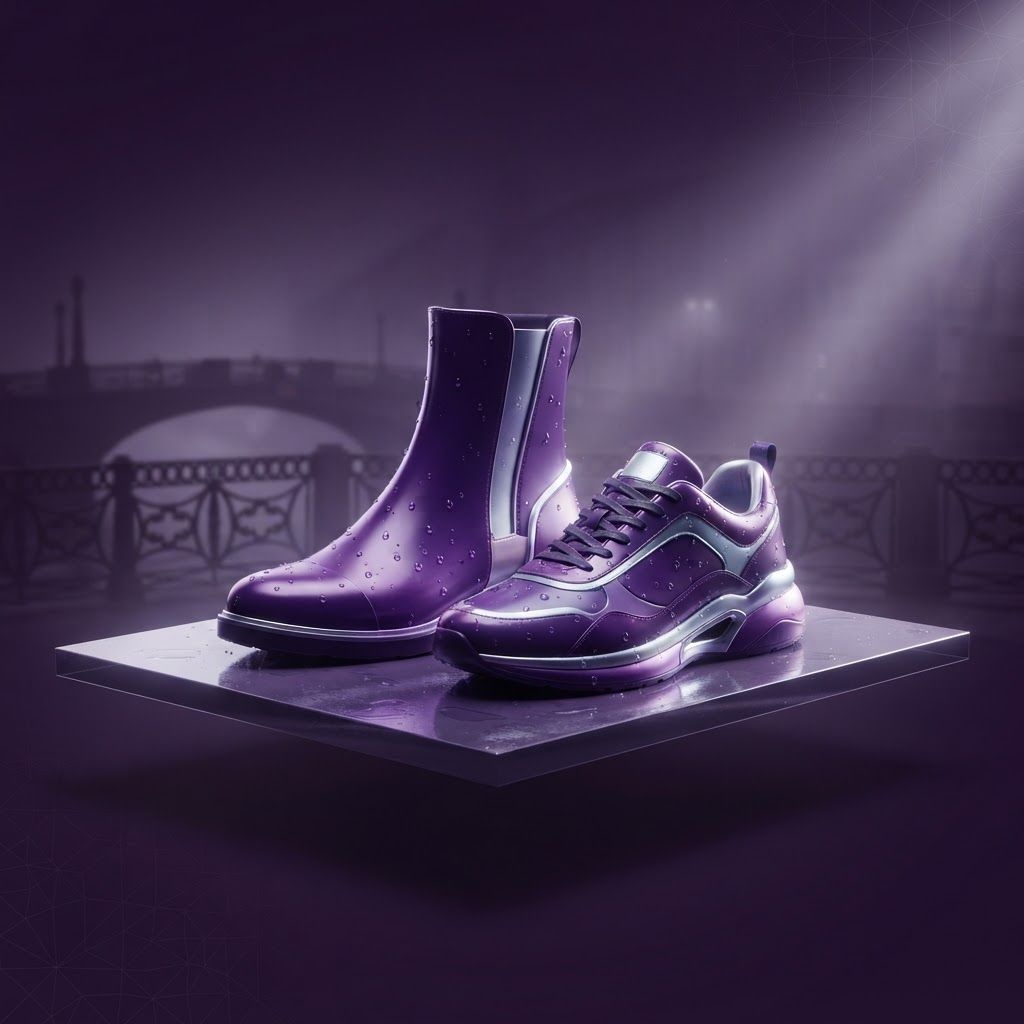
Footwear as a Practical Science in St. Petersburg
Shoes matter more in St. Petersburg than in most cities, and the reason is simple: people walk. The historic centre is dense, public transport encourages pedestrian connections, and the surfaces underfoot are unforgiving. Granite pavements, cobbled courtyards, bridges exposed to wind off the Gulf of Finland and months of freeze-thaw cycles create conditions in which poorly made footwear fails within a single season. Locals learn quickly to evaluate soles, linings and waterproofing before they consider colour.
This has produced a footwear market with unusual technical literacy. Sales staff are routinely asked about outsole compounds, insulation types and whether a boot's seams are sealed. Brands that thrive here tend to combine genuine weather performance with designs suited to a city where people move directly from a long walk into an office, restaurant or theatre.
1. EKONIKA
EKONIKA is one of the most recognisable footwear names in the city, offering a broad range of women's shoes and boots with a distinctly European design sensibility. The brand's strength is balance: heel heights that remain walkable, leather uppers that hold shape, and seasonal collections that stay wearable rather than purely decorative. Its winter boot ranges are especially popular, using thicker soles and insulated linings while keeping proportions elegant enough for formal settings.
2. Ralf Ringer
Ralf Ringer has built its reputation on engineering rather than fashion cycles. The brand specialises in men's footwear designed for cold, wet climates, with attention to sole flexibility at low temperatures, moisture management and reinforced construction at stress points. Many customers in St. Petersburg treat it as a default choice for daily winter wear, valuing predictable sizing and repairability over trend alignment.
3. Rendez-Vous
Rendez-Vous operates as a large multi-brand retailer, but its curation makes it function like a brand in its own right. Its stores gather international footwear labels across price tiers under one roof, which is genuinely useful in a market where fit varies significantly between manufacturers. Staff are trained to advise on width, arch support and seasonal appropriateness, and the assortment covers everything from dress shoes to serious winter boots.
4. Respect
Respect targets customers who want classic silhouettes without premium pricing. Its collections focus on leather loafers, ankle boots, derbies and mid-heel styles that suit conservative professional environments. The brand refreshes core models rather than reinventing them, which makes replacement straightforward — a meaningful advantage for people who wear the same shape year after year.
5. Kari
Kari serves the value end of the market with wide availability across the city's shopping centres. Its proposition is accessibility: large size ranges, frequent promotions and a broad selection covering children's shoes, casual sneakers and basic seasonal boots. For families managing rapidly growing children's feet, the combination of price and convenience is difficult to beat.
6. Thomas Münz
Thomas Münz occupies the comfortable middle ground between fashion and function. The brand is known for leather footwear with European styling, moderate pricing and a strong autumn-winter offering. It has developed a reputation for consistent quality control, and its stores emphasise fitting assistance, which reduces the risk of buying boots that fail after a few weeks of hard use.
7. Sportmaster's Footwear Selection
Sportmaster deserves inclusion because a large share of the city walks in athletic footwear for much of the year. Its stores stock running shoes, trail models and insulated sneakers, with staff who can advise on gait, cushioning and traction. Trail-running outsoles have become quietly popular for winter city use, offering grip on packed snow without the bulk of full winter boots.
8. Alba
Alba caters to customers seeking refined, occasion-oriented footwear. Its collections lean toward Italian-influenced design, softer leathers and dressier constructions. This is not everyday winter footwear, and the brand does not pretend otherwise; instead it serves the substantial local demand for theatre, restaurant and event shoes, an important category in a city with an intense cultural calendar.
9. Chester
Chester focuses on classic men's and women's leather footwear with an emphasis on formal and business-casual styles. The brand's appeal lies in its restrained aesthetic and its attention to last shapes that accommodate normal foot widths. It also maintains a reliable care-product range, which matters in a climate where salt and moisture damage leather rapidly.
10. Local Cobblers and Bespoke Workshops
The tenth entry is not a single brand but a network that materially affects footwear quality in the city: independent cobblers and small bespoke workshops. Resoling, sealing seams, adding anti-slip treads and re-stitching welts extend the life of good shoes considerably, and many St. Petersburg residents build long-term relationships with a trusted workshop. A handful of studios also produce made-to-measure boots for customers with difficult fit requirements.
Buying Guide for a Northern Climate
Three technical factors deserve priority. Outsole compound determines whether a shoe grips or glazes over on icy stone; rubber that stays pliable below freezing is essential. Construction method affects both waterproofing and repairability, with cemented soles cheaper but harder to renew than stitched alternatives. Insulation should match actual use — heavily insulated boots become uncomfortable indoors, so many locals prefer moderate insulation plus thicker socks.
Fit deserves equal attention. Winter footwear should allow enough room for a thermal sock without loosening the heel, since a sliding heel causes both blisters and instability on slick surfaces. Trying shoes late in the day, when feet are slightly swollen, gives a more realistic result.
Market Trends Worth Noting
Several shifts are visible. Hybrid footwear that blends technical outdoor features with urban styling has grown rapidly, reflecting a customer who wants one pair to handle a commute, a walk and an evening out. Care and repair services are being brought in-house by larger retailers as a loyalty tool. There is also increasing transparency about materials, with more brands specifying leather grades and membrane types instead of vague marketing claims.
Final Thoughts
St. Petersburg rewards footwear that is honestly engineered. The brands that succeed here do so because they respect the conditions their customers face, whether that means a sole that stays flexible in February or a leather upper that survives a salted pavement. Choosing well means thinking about the whole year, prioritising construction over appearance, and treating good shoes as maintained equipment rather than disposable purchases.