
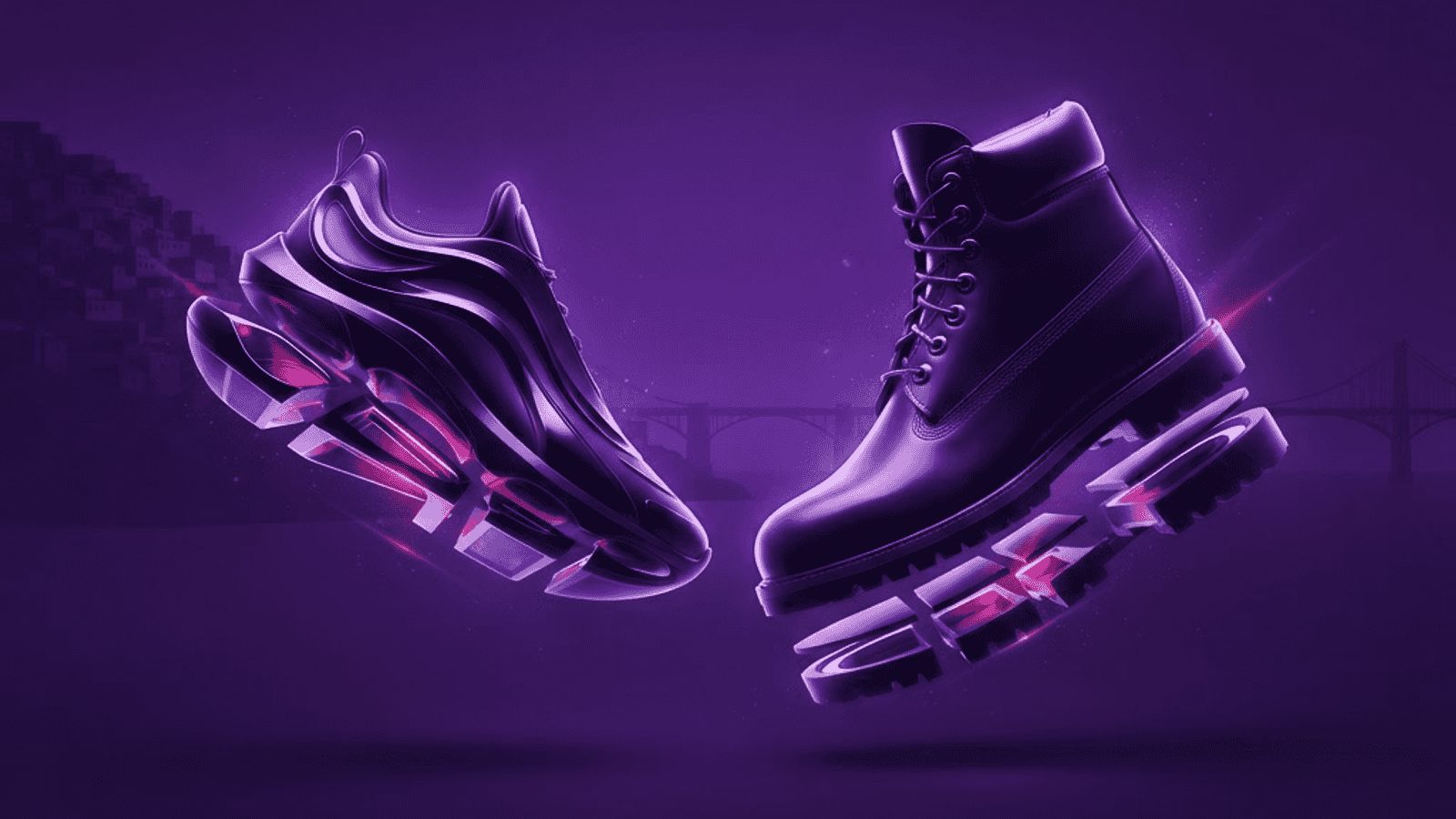
Footwear Built for a Vertical City
Few American cities test shoes the way Pittsburgh does. Streets climb at grades that would qualify as trails elsewhere, brick and cobblestone survive in older neighborhoods, staircases connect entire hillsides, and winter brings a punishing cycle of snow, slush, and road salt. Add a strong walking and cycling commuter culture downtown and a regional love of hiking in the surrounding Allegheny landscape, and the result is a market where traction, waterproofing, and durability outrank fashion for much of the year.
That reality shapes what sells here. Pittsburgh's footwear scene is defined less by hometown manufacturers than by a mix of nationally significant brands with deep local roots, specialist running and outdoor retailers, and heritage repair shops that keep good shoes in service for years.
Ten Footwear Names That Matter Locally
Dick's Sporting Goods, headquartered in the Pittsburgh area, is the region's most influential footwear destination. Beyond its scale, its house labels and its curated athletic assortments set the baseline for how the city shops for running, training, and field sport shoes.
Little's Shoes is a Squirrel Hill institution and arguably the most respected independent footwear retailer in the region. Its reputation rests on fitting expertise across comfort, dress, and designer categories, and on a staff culture that treats sizing as a technical process rather than a guess.
Fleet Feet Pittsburgh serves the running community with gait analysis, pressure mapping, and structured fitting sessions. For runners tackling the city's hills or training for the Pittsburgh Marathon, this level of assessment prevents a long list of avoidable injuries.
Brooks has become the default recommendation at many local run specialty counters thanks to its cushioning consistency and wide availability of width options, which matters for the high-mileage road running common on riverfront trails.
New Balance holds unusual strength in this market, partly through extensive width sizing and partly through a lifestyle line that fits the region's casual dress norms. Its stability models are frequently recommended for workers on their feet all day.
Timberland reflects the practical side of local style, offering insulated, waterproof boots that handle sidewalk slush and worksite conditions equally well. In a city with a strong construction and trades workforce, boot performance is judged by shift, not by season.
Red Wing Shoes appeals to buyers who want resoleable, welted construction. Heritage work boots are expensive up front but frequently outlast several pairs of cemented alternatives, and they can be rebuilt repeatedly.
Merrell covers the gap between city and trail, supplying hikers heading to Frick Park, the Laurel Highlands, and Ohiopyle with grippy, weather-resistant options that still look reasonable on a commute.
Danner serves the more demanding end of the outdoor and duty market, with stiffer midsoles and aggressive outsoles suited to uneven terrain and long carries.
Fabian's Shoe Repair and the city's other cobblers deserve inclusion because Pittsburgh's footwear culture includes maintenance. Local repair shops extend the life of quality shoes through resoling, heel replacement, stretching, and salt-stain restoration, which changes the math on buying better shoes in the first place.
Trends Driving the Market
Comfort technology has moved into every category. Cushioned midsoles, contoured footbeds, and knit uppers now appear in dress and work styles, not only athletic ones, which has quietly raised expectations across the board. Shoppers who once tolerated stiff leather for the first month now expect immediate wearability.
Waterproof and water-resistant construction is expanding beyond boots into sneakers and casual shoes, an obvious fit for a rainy, snowy climate. Meanwhile the resale and repair economy continues to grow, driven by cost consciousness and environmental concern, with resoleable construction increasingly marketed as a value proposition.
Fit personalization is the third major trend. Scanning technology, gait analysis, and broad width availability let retailers solve problems that used to be dismissed as customer preference. Independent stores that invest in fitting expertise have retained business precisely because online sizing remains unreliable.
Choosing the Right Shoes Here
Start with terrain honesty. If your daily route includes steep descents, prioritize outsole grip and heel stability. If you park and walk in winter, insulation and a sealed waterproof membrane matter more than weight. Runners should get properly assessed rather than repurchasing a model they liked years ago, since platforms change substantially between generations.
Buy for the wider foot late in the day, allow roughly a thumbnail of space at the toe, and test hills in the store if the staff allow it. For work footwear, confirm the safety rating required by your employer, then check whether the sole can be replaced. Finally, treat leather before winter and rinse salt off promptly; local cobblers will confirm that salt destroys more footwear here than mileage does.
Final Thoughts
Pittsburgh's best footwear options combine national engineering with local fitting expertise and a repair culture that rewards buying well once. Whether you need a marathon trainer, an insulated commuter boot, a resoleable work pair, or something respectable for an office in the Golden Triangle, the city offers depth at every level. Choose for grip, weather, and fit first, and style tends to follow naturally.