
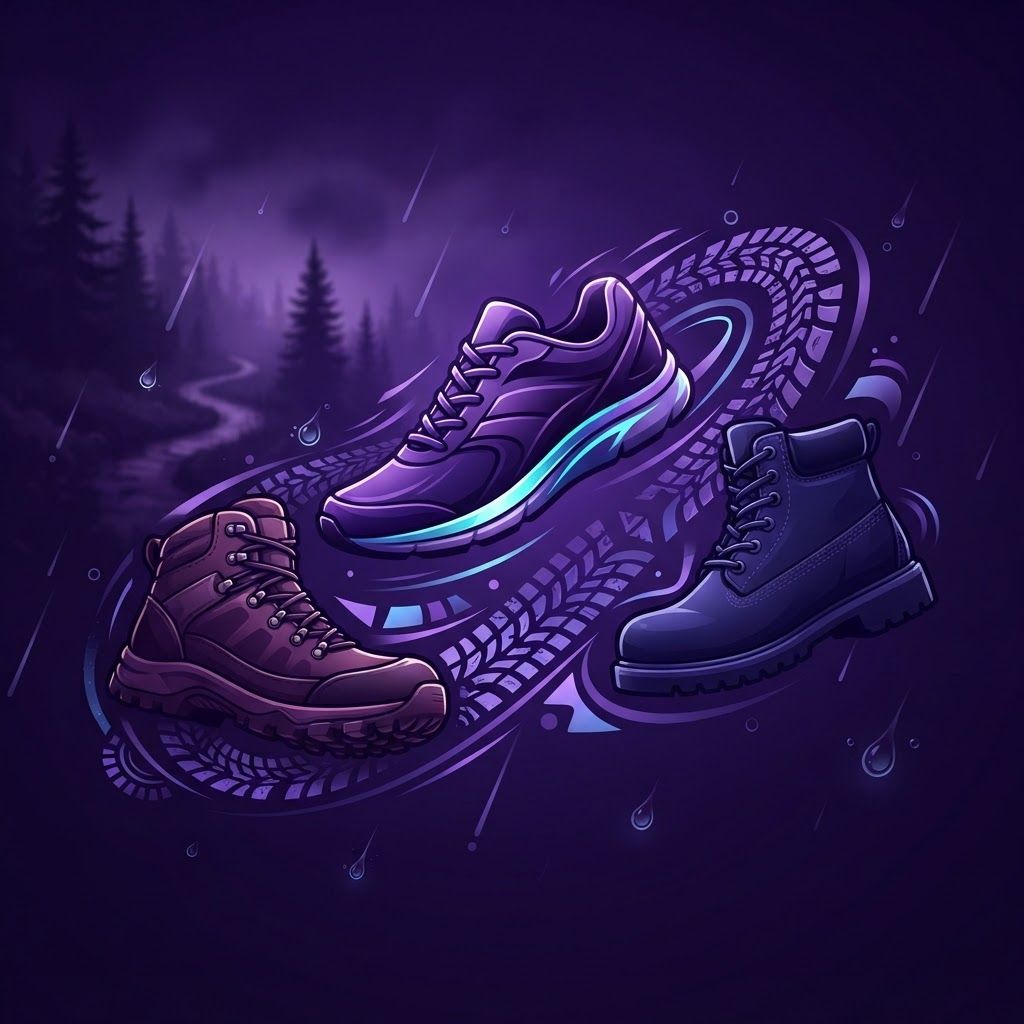
Few American cities have a relationship with footwear quite like Eugene. Distance running is woven into local identity, the surrounding trails see year-round use, and months of rain make waterproofing a practical necessity rather than a luxury. The result is a community that understands shoes unusually well and a retail and brand landscape that reflects that knowledge.
Why Footwear Matters Here
Wet conditions punish poorly constructed shoes. Trails around the Willamette Valley range from packed gravel paths to genuinely technical terrain. Campus life involves substantial daily walking, and the region's agricultural and trades workforce requires protective footwear that survives long shifts. Each of these use cases demands different construction, and the brands below address them specifically.
Selection Criteria
Brands were assessed on construction quality, fit range, durability, traction performance in wet conditions, material responsibility and suitability for local terrain and weather.
1. Track Town Running Company
Performance running shoes developed with input from the local distance running community, offering models tuned for road, track and tempo work with attention to midsole longevity.
2. Cascade Trail Footwear
Trail shoes engineered for mud, roots and wet rock, with aggressive lug patterns, protective rock plates and drainage designed for genuinely soaked conditions.
3. Willamette Waterproof Boots
Everyday waterproof boots for commuting and campus walking, balancing weather protection with breathability so feet do not overheat indoors.
4. Spencer Butte Work Boots
Safety and work footwear for trades, forestry and agriculture, featuring protective toes, slip-resistant outsoles and resoleable construction that extends useful life.
5. Emerald Valley Comfort Shoes
Supportive everyday footwear designed around foot health, with removable footbeds accommodating custom orthotics and wide fitting options.
6. Lane County Recycled Footwear
A sustainability-focused brand using recycled materials and natural rubber, supported by resoling and recycling programmes that keep shoes out of landfill.
7. River Loop Sandals and Water Shoes
Summer footwear for river swimming, paddling and warm-weather trails, with quick-drying materials and secure adjustable retention.
8. Oregon Heritage Leather Goods
Traditionally constructed leather boots built for repeated resoling, appealing to buyers who prefer one durable pair over frequent replacement.
9. Amazon Creek Kids Footwear
Children's shoes designed for puddles, playgrounds and growing feet, with washable materials and secure closures suited to young children.
10. Hayward Performance Spikes
Track and cross-country spikes for competitive athletes, reflecting Eugene's deep connection to competitive running at every level from high school to elite.
Trends in Footwear
Sustainability has driven genuine material innovation, with bio-based foams, recycled uppers and natural rubber outsoles now performing competitively. Repairability is returning as a selling point, particularly in boots and heritage construction. Foot-shape-friendly designs with wider toe boxes have gained mainstream acceptance, and carbon plate technology, once limited to elite racing, has filtered into broader consumer ranges.
How to Choose the Right Footwear
Fit late in the day when feet are slightly swollen, and prioritise width as much as length, since most discomfort originates from cramped forefoot space. For wet climates, consider whether full waterproofing or fast drainage suits your activity better, as waterproof membranes hold water in once flooded. Rotate between pairs when possible, since midsole foam recovers between uses and lasts considerably longer as a result.
Getting Fit Right
Most footwear complaints trace back to fit rather than construction quality. Feet change shape over time and swell during activity, so measurements taken years ago are often wrong. Both feet should be measured, since asymmetry is common, and the larger foot should determine sizing. Thumb-width space ahead of the longest toe accommodates foot splay during movement, and the heel should hold securely without slipping. Trying shoes with the socks you intend to wear, later in the day, produces the most accurate result.
Matching Shoes to Activity
Road running shoes, trail shoes, hiking boots and work boots solve genuinely different problems and perform poorly outside their intended use. Road shoes lack the outsole grip and underfoot protection needed on technical trails. Trail shoes wear quickly on pavement. Hiking boots offer ankle support and load carrying capability but feel cumbersome for fast movement. Work boots prioritise protection and durability over weight. Owning the right tool for each frequent activity extends the life of every pair.
When to Replace Footwear
Midsole foam degrades before outsoles visibly wear, which means shoes often need replacing while they still look serviceable. Running shoes typically last between three and five hundred miles depending on weight and gait, and creasing, compression or a new ache often signal the end. Boots with resoleable construction offer a genuine alternative, as replacing the outsole on a quality welted boot costs far less than new footwear and preserves a broken-in fit that takes months to develop.
Foot Health and Support
Persistent foot pain is worth investigating rather than tolerating. Plantar fascia discomfort, bunion irritation and metatarsal pain frequently respond to appropriate width, removable footbeds or professional orthotics. Rotating between two pairs allows midsole foam and internal moisture to recover fully between uses, which extends life and improves comfort. For those spending long days standing, cushioning and support quality have a measurable effect on fatigue and should be treated as a health investment rather than a discretionary purchase.
Final Thoughts
Footwear in Eugene is a practical decision with real consequences for comfort and injury risk. The brands serving this market understand that reality, and the depth of local knowledge means shoppers here rarely have to settle for shoes that look right but perform poorly.