
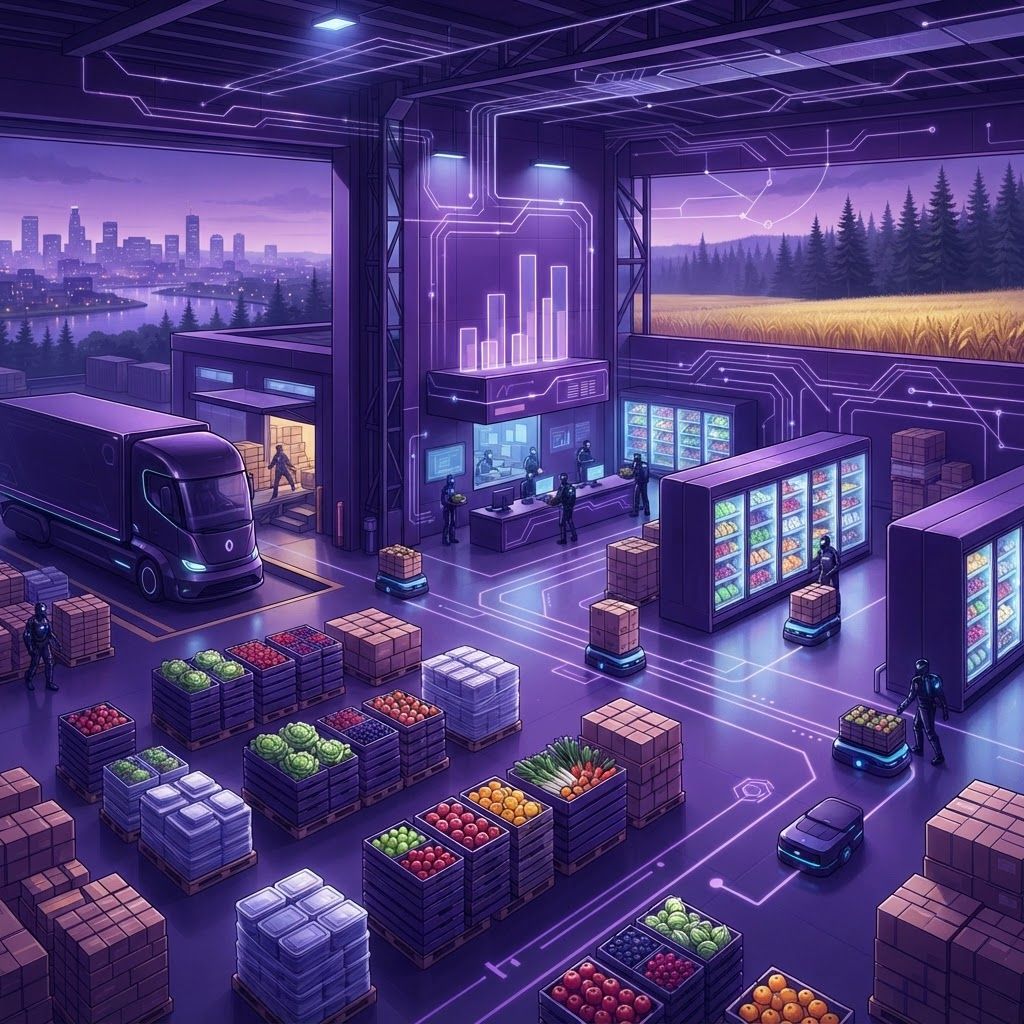
The Backbone of Spokane's Food Economy
Every plate served in Spokane begins with a distributor. The city's food wholesale sector supports an unusually diverse customer base for a metro of its size: independent restaurants along the river, university dining halls, regional hospital systems, school districts, breweries, coffee roasters and a growing number of food trucks. Because the Inland Northwest is separated from coastal distribution centers by mountain passes that can close in winter, local wholesalers place a premium on inventory depth and route reliability.
That operational reality has produced a mature market. Buyers here can choose between full broadline service, category specialists and hybrid models that combine national brands with produce grown within an hour of the city. Understanding which model fits your kitchen is the difference between healthy food cost and constant firefighting.
The Ten Best Food Wholesalers in Spokane
1. Inland Empire Foodservice Distributors
A true broadline operator, Inland Empire carries dry goods, frozen items, dairy, disposables and cleaning chemicals under one account. Its appeal is consolidation: one delivery, one invoice, one representative who understands the whole menu. Order guides and usage reporting help operators tighten purchasing without hiring an analyst.
2. Spokane Produce Exchange
Produce rewards proximity, and this wholesaler leans into it. Buyers get twice-daily market intelligence, honest quality grading and the flexibility to switch items when a crop underperforms. Chefs value the company's willingness to explain why a price moved rather than simply passing it along.
3. Columbia Basin Protein Company
Specializing in beef, pork, poultry and custom cutting, this supplier serves steakhouses, butcher counters and catering operations. Custom portioning to spec is the core differentiator, reducing labor in the kitchen and improving plate consistency across shifts.
4. Riverstone Specialty and Import Foods
For operators building menus around Mediterranean, Latin American or Asian cuisines, Riverstone stocks the pantry items broadliners tend to skip. Olive oils, cured goods, chilies, rice varieties, noodles and fermentation staples arrive in restaurant-appropriate pack sizes, with smaller options for cafes.
5. Northwest Dairy and Creamery Supply
Dairy is a precision category where temperature discipline matters. This wholesaler supplies fluid milk, butter, cream, regional cheeses and cultured products with tight cold chain controls, and it has become a dependable partner for bakeries and coffee shops with early morning windows.
6. Palouse Grain and Bakery Ingredients
The Palouse is one of North America's great wheat regions, and this supplier connects that agricultural strength to commercial kitchens. Flours, whole grains, pulses, leaveners and bakery mixes are available in both bulk and manageable quantities, with milling information that artisan bakers actually use.
7. Lilac City Seafood Distributors
Distance from the coast makes seafood the most logistics-sensitive category in the region. This distributor runs frequent inbound freight, publishes catch and harvest details, and offers both fresh and individually frozen options so operators can protect margin without sacrificing quality.
8. Green Bluff Farm Collective Wholesale
Aggregating output from small farms north of the city, this collective gives restaurants genuine farm-to-table sourcing without the burden of managing a dozen individual growers. Seasonal availability sheets and pre-season crop planning let chefs design menus around what will actually be ready.
9. Cascade Beverage and Coffee Supply
Beverages drive profitability, and this supplier covers roasted coffee, teas, syrups, juices, sparkling water and bar mixers, along with equipment service. Its technical support for espresso and dispensing systems is frequently cited as the reason accounts stay for years.
10. Eastern Washington Institutional Food Services
Schools, senior living communities and correctional facilities operate under nutritional and documentation requirements that ordinary distributors find awkward. This wholesaler is built for that work, providing standardized recipes, allergen data and audit-ready records alongside delivery.
Industry Trends to Watch
Local sourcing has moved from marketing language to menu architecture, with more Spokane kitchens writing dishes around confirmed regional supply. Transparency is rising in parallel: operators increasingly expect item-level information on origin, handling and shelf life. At the same time, labor pressure is pushing demand toward value-added products such as pre-portioned protein and washed produce, since every minute saved in prep is a minute reallocated to service. Technology adoption is the quiet enabler, with online ordering portals, substitution alerts and usage analytics now considered standard rather than premium features.
Choosing a Distributor That Fits Your Kitchen
Begin with delivery windows. A supplier whose truck arrives during your prep block is worth more than one offering a marginally better case price at an inconvenient hour. Next, examine fill rates rather than catalog size, because a broad list means little if key items are frequently short. Clarify credit terms, minimum order thresholds and how credits for damaged goods are issued, then negotiate a review cadence so pricing can be revisited as volume grows.
Many successful Spokane operators use a two-tier approach: one broadline partner for consolidation and predictable pantry items, plus two or three specialists for the categories that define the menu. That structure keeps costs controlled while protecting the quality customers notice.
Final Thoughts
Spokane's food wholesale sector is deeper than its population suggests, blending national-scale distribution with genuine regional agriculture. Match your operation's needs to the right mix of broadline and specialist partners, hold suppliers to measurable service standards, and the supply chain becomes an asset rather than a daily obstacle.
Cold Chain Integrity and Food Safety
Nothing in food wholesaling matters more than temperature discipline. Product that breaks refrigeration for even a short window loses shelf life invisibly, and the consequence appears days later as spoilage in a customer's walk-in. The strongest Spokane distributors invest in continuous temperature logging on trucks and in warehouses, and they will share that data with accounts on request. Buyers should treat unwillingness to discuss cold chain documentation as a serious warning sign.
Food safety certification, allergen segregation, recall traceability and lot-level records are equally consequential for restaurants and institutional kitchens facing health inspections and audits. Distributors that maintain clean documentation reduce their customers' regulatory exposure meaningfully.
Seasonality and Regional Sourcing
Eastern Washington's growing season delivers extraordinary produce in narrow windows. Stone fruit, apples, cherries, wheat, lentils, hops and root vegetables arrive with real abundance, and distributors that maintain grower relationships can offer quality and price during those windows that no national supply chain matches. Kitchens that build flexible menus around this calendar rather than fighting it eat better and spend less.
Winter reverses the equation, when most fresh product travels considerable distance. Planning for that shift, by leaning on preserved, frozen and storage crops during the cold months, is simply good regional practice.
Practical Purchasing Advice
Consolidate orders to reduce delivery fees and freight surcharges, but avoid over-ordering perishables to hit a minimum, which converts savings into waste. Compare pricing on a per-usable-unit basis rather than per case, since yield differences between suppliers can exceed price differences. Establish a substitution policy in advance so a missing item does not disrupt service, and review invoices against quoted pricing regularly, as quiet increases are common and rarely questioned.