
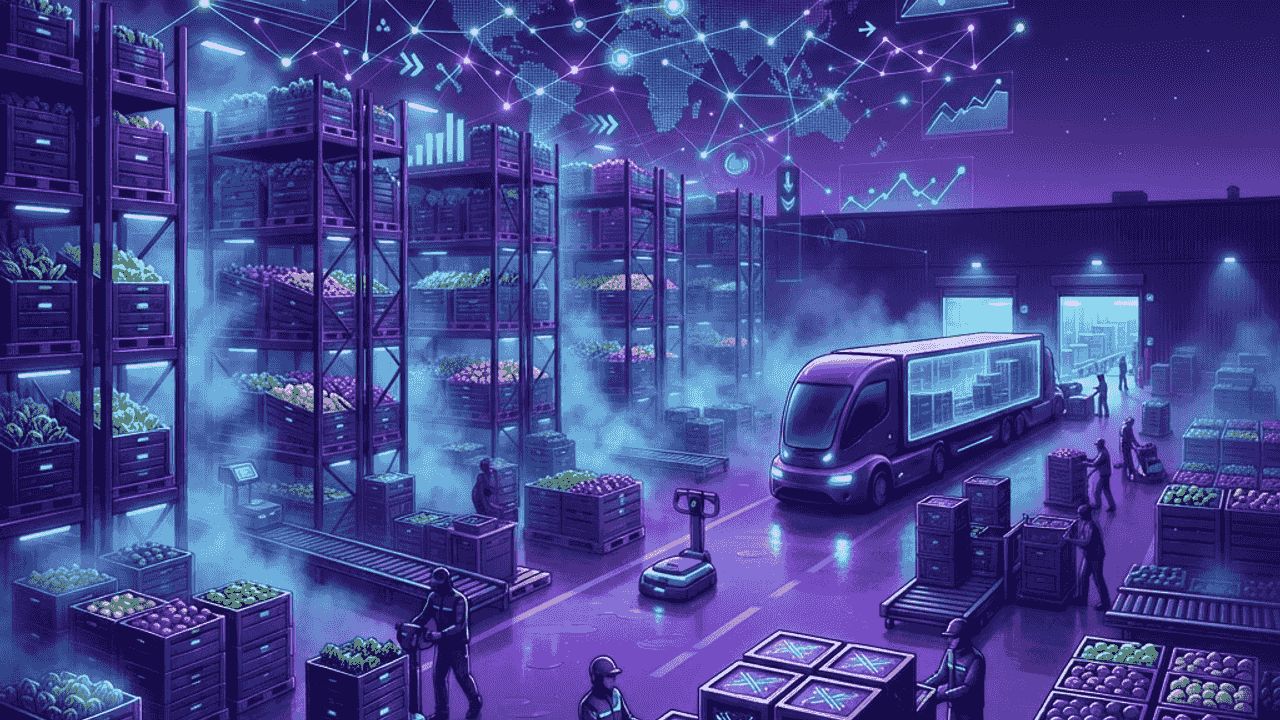
Food Distribution in Santa Ana
Santa Ana has one of the most vibrant food scenes in Southern California, shaped by a large Mexican American community, a growing Vietnamese community and a dense mix of independent restaurants, taquerias, bakeries, markets and food manufacturers. That diversity creates unusual demand on wholesale supply, because operators need authentic specialty ingredients alongside standard broadline products.
The city’s location supports this well. It sits close to Los Angeles wholesale produce markets, within reach of agricultural regions in Ventura, the Central Valley and Imperial Valley, and near the ports for imported goods. Distribution operations serving the city range from national broadline companies delivering everything from produce to paper goods, to specialist importers focused on a single cuisine, to produce houses delivering daily.
How These Wholesalers Were Evaluated
Selection considered product quality and consistency, delivery frequency and reliability, food safety certification and cold chain integrity, breadth of catalogue, specialty and ethnic product availability, pricing transparency and support for small independent operators.
The Top 10 Food Wholesalers Serving Santa Ana
1. Sysco Southern California
The largest broadline foodservice distributor in the region, supplying produce, protein, dry goods, frozen items, equipment and disposables. Its appeal is single source convenience with consistent delivery scheduling and menu costing support.
2. US Foods
A major broadline distributor with strong regional coverage, offering exclusive brands, menu development tools and business consulting for independent restaurants. Its advisory resources help small operators with costing and menu engineering.
3. Performance Food Group
A broadline distributor serving restaurants and institutions with an emphasis on street level independent operators. Flexible minimums make it accessible to smaller kitchens that struggle with large drop requirements.
4. Restaurant Depot
A cash and carry wholesaler allowing operators to buy without minimum orders or scheduled deliveries. For small restaurants and caterers with variable volume, immediate access to wholesale pricing is often decisive.
5. Coast Produce Company
A Southern California produce wholesaler supplying fresh fruit and vegetables with daily delivery and quality grading. Produce quality varies day to day, so a supplier with strong buying relationships and cold chain discipline directly affects plate quality.
6. Northgate González Market wholesale operations
Regional Mexican food specialists and importers supplying chiles, masa, spices, cheeses and traditional ingredients. Authentic ingredient sourcing is essential to the city’s food culture, and specialists carry items broadliners do not stock.
7. Asian and Vietnamese Ingredient Importers
Wholesalers supplying rice, noodles, sauces, herbs and frozen specialty items to the county’s substantial Vietnamese and Asian restaurant sector. These distributors also provide the supply consistency that established restaurant groups require.
8. Golden State Meat and Protein Distributors
Meat and seafood wholesalers offering custom cutting, portion control and cold chain delivery with food safety documentation. Protein is usually the largest cost line on a menu, so yield accuracy and consistent grading matter greatly.
9. Baker’s Supply and ingredient wholesalers
Suppliers of flour, sugar, chocolate, dairy and baking ingredients serving bakeries, patisseries and food manufacturers. Ingredient consistency is critical in baking, where small variation changes results noticeably.
10. Specialty and Organic Produce Distributors
Wholesalers focused on organic, local and specialty produce serving chef driven restaurants and health focused operators. These suppliers offer traceability to farm level, which supports menu claims and increasingly matters to guests.
Trends in Food Distribution
Cost volatility remains the dominant operational challenge. Ingredient prices move sharply and unpredictably, which has pushed operators toward flexible menus, closer costing discipline and suppliers who provide market forecasting. Contract pricing on key items has become more common as a hedging tool.
Food safety expectations continue to rise, with traceability requirements tightening under modern food safety rules and cold chain monitoring becoming standard rather than optional. Technology has changed ordering, with online platforms, inventory integration and automated par level ordering reducing waste and administrative time. Sustainability considerations including local sourcing, reduced packaging and food waste diversion are increasingly part of purchasing decisions. Labour shortages in kitchens have raised demand for pre processed items such as pre cut produce and portioned protein, shifting labour from restaurant to distributor.
How to Choose a Food Wholesaler
Avoid single sourcing entirely. Most successful operators use a broadline distributor for breadth and convenience, a produce specialist for freshness, a protein supplier for quality and cut consistency, and specialty importers for authentic ingredients. This combination costs slightly more in ordering effort but improves quality and provides resilience during shortages.
Verify food safety credentials, including third party audit certification, temperature monitoring practices and recall procedures, because a supplier failure becomes your liability. Compare total delivered cost rather than case price, accounting for delivery fees, minimum order requirements, fill rates and product yield. Check delivery windows against your prep schedule, as a delivery arriving mid service is disruptive. Evaluate substitution policies, since receiving unexpected substitutes can compromise a menu. Finally, ask about pricing transparency and how often prices change, and review invoices carefully because pricing errors are common and rarely corrected proactively.
Final Thoughts
Food wholesalers serving Santa Ana range from national broadline distributors to daily produce houses and specialist importers supporting the city’s distinctive cuisines. The strongest operations build a supplier mix rather than relying on one source, verifying food safety practices and comparing delivered cost including fill rates and yield. In a market with this much culinary diversity, ingredient sourcing is a competitive advantage rather than a back office function.