
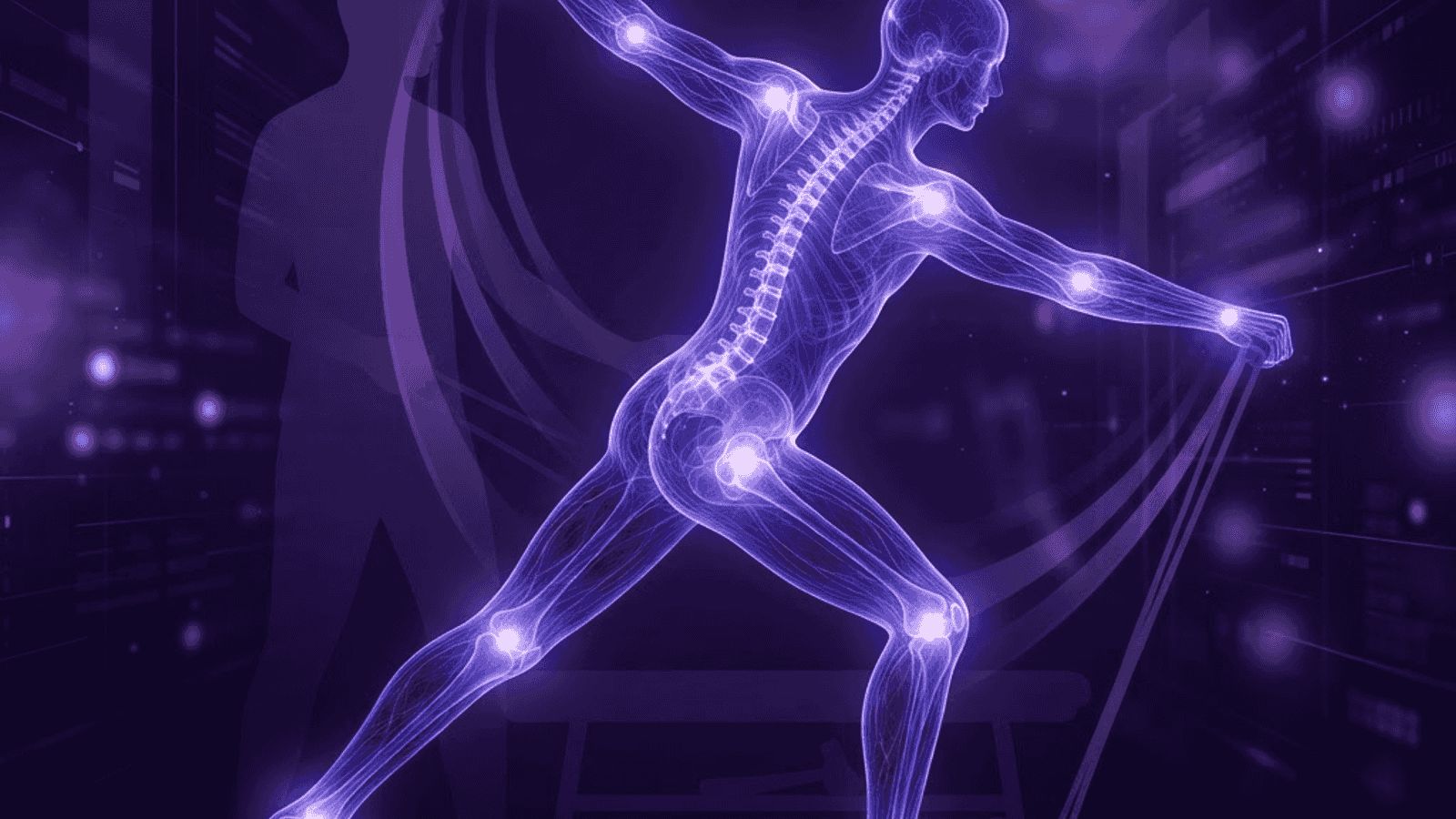
Physical Therapy as First-Line Treatment
The role of physical therapy has changed fundamentally over the past fifteen years. What was once a post-surgical rehabilitation service is now widely recognized as the most effective initial treatment for the majority of musculoskeletal complaints, from low back pain to shoulder impingement to knee osteoarthritis. Research has repeatedly demonstrated that early physical therapy reduces downstream imaging, injections, opioid prescriptions, and surgical procedures without compromising outcomes.
Minnesota supports direct access, meaning patients can generally begin physical therapy without a physician referral, though insurance requirements sometimes differ. For St. Paul residents, that means a person who wakes with acute back pain can often be evaluated by a therapist within days rather than waiting weeks for a primary care appointment followed by a referral.
What Distinguishes Excellent Physical Therapy
The most important variable is time. Clinics where a licensed therapist spends thirty to sixty minutes with one patient produce better results than clinics where a therapist supervises four patients simultaneously while aides run exercise circuits. Ask directly how appointments are structured. Beyond that, look for clinicians with advanced certification in orthopedics, sports, or neurologic rehabilitation, a genuine emphasis on progressive loading rather than passive modalities, and clear communication about expected timelines and home program expectations.
The Ten Best Physiotherapy Centers in St. Paul
1. TRIA Orthopedics
TRIA has become one of the most recognized orthopedic and rehabilitation brands in the Twin Cities, combining orthopedic physicians, imaging, and physical therapy within integrated facilities. The advantage is speed of coordination. A patient with an unclear diagnosis can be evaluated, imaged, and enrolled in therapy without navigating separate organizations. Its sports rehabilitation programs are particularly well developed.
2. Summit Orthopedics Physical Therapy
Summit operates therapy services alongside its orthopedic practice across the East Metro, including St. Paul locations. Its therapists work closely with surgeons on standardized post-operative protocols for joint replacement, rotator cuff repair, and spine procedures, which produces consistent recovery trajectories. The organization also invests in conservative care pathways designed to avoid surgery where possible.
3. Institute for Athletic Medicine
Focused on athletic populations from high school through masters competition, this group emphasizes return-to-sport testing rather than simply resolving pain. Therapists assess movement quality, strength symmetry, and sport-specific readiness before clearing athletes, which reduces reinjury rates. It maintains relationships with numerous area schools and clubs.
4. Physicians Neck and Back Center
This program takes a distinctly evidence-driven approach to chronic spinal pain, using medical exercise progression on specialized equipment to rebuild strength in the lumbar and cervical spine. It targets patients who have cycled through other treatments without lasting improvement. The model requires commitment across many weeks but has strong outcome data for chronic back and neck conditions.
5. Allina Health Physical Therapy
With locations throughout St. Paul, Allina integrates rehabilitation into a broader health system, allowing therapists to communicate directly with physicians through a shared record. It offers general orthopedic therapy alongside specialized programs in pelvic health, vestibular rehabilitation, lymphedema management, and neurologic recovery after stroke.
6. HealthPartners Rehabilitation Services
HealthPartners provides physical, occupational, and speech therapy across its St. Paul clinics, with an emphasis on measurable functional outcomes. Its therapists routinely use standardized assessment tools to document progress, which supports both clinical decisions and insurance authorization. Pelvic floor therapy and hand therapy are notable areas of depth.
7. Courage Kenny Rehabilitation Institute
For complex neurologic and catastrophic injury rehabilitation, Courage Kenny is among the most respected programs in the Upper Midwest. It serves patients recovering from spinal cord injury, traumatic brain injury, stroke, and multiple sclerosis, with adaptive sports programs and assistive technology services that extend well beyond conventional therapy. Its interdisciplinary model addresses vocational and community reintegration alongside physical function.
8. Sport and Spine Physical Therapy
An independent clinic serving St. Paul patients, this practice emphasizes manual therapy skill combined with progressive strength training. Sessions are typically one-on-one with the same therapist throughout an episode of care, which builds the trust necessary for patients to push into loading that initially feels intimidating.
9. OSI Physical Therapy
OSI has built a reputation on hands-on manual therapy and thorough biomechanical assessment across its metro locations. Therapists commonly hold advanced manual therapy credentials, and the clinics attract patients whose pain has not responded to exercise-only approaches. Work-related injury rehabilitation and functional capacity evaluation are additional strengths.
10. Twin Cities Orthopedics Rehabilitation
As part of a large orthopedic organization, this rehabilitation network offers seamless coordination with surgical care plus specialized programs in throwing athlete rehabilitation, running gait analysis, and joint replacement recovery. Its scale supports investment in technology such as force plate assessment and instrumented gait analysis that smaller clinics cannot justify.
Trends in Rehabilitation Practice
Several shifts are visible across St. Paul clinics. Passive modalities such as ultrasound and prolonged heat application have declined sharply as evidence for them weakened, replaced by active loading and education. Blood flow restriction training has entered mainstream practice for post-surgical patients who cannot yet tolerate heavy loads. Pain neuroscience education has become standard for chronic conditions, helping patients understand that pain intensity does not reliably indicate tissue damage. Telehealth therapy, initially adopted from necessity, has proven durable for home program progression and check-ins between hands-on sessions.
Getting the Most From Therapy
Outcomes depend heavily on what happens between appointments. A home program performed four times weekly will outperform twice-weekly clinic visits with no independent work. Be honest with your therapist about what you will realistically do, so the program can be built around your actual life rather than an idealized version of it. Track specific functional goals such as carrying groceries up stairs or completing a five kilometer run, because measurable targets keep progress visible during the plateau phases that nearly every recovery includes. And if six weeks pass without meaningful improvement, raise it directly. Good therapists will reassess rather than continue an approach that is not working.