
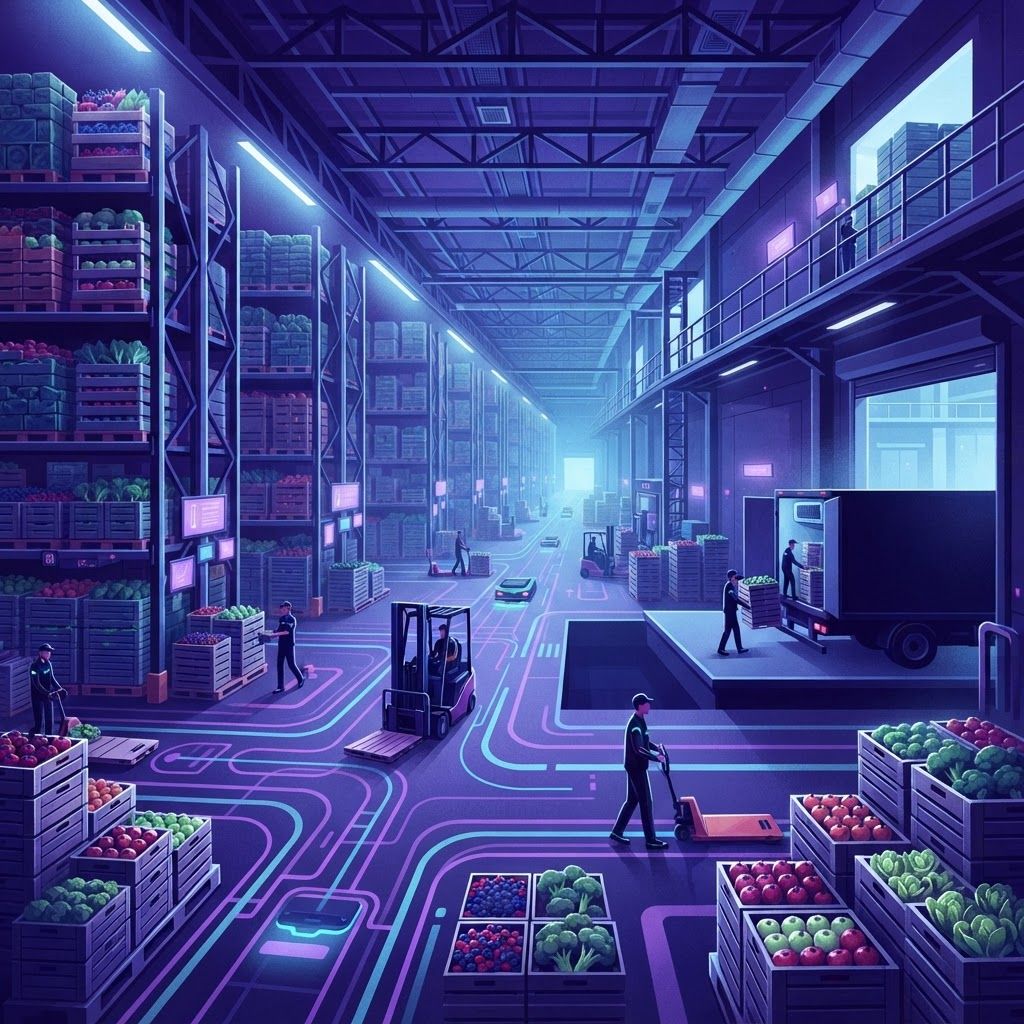
Food Distribution and the Overland Park Dining Scene
Overland Park has developed one of the most varied dining scenes in the region, ranging from independent chef-driven restaurants to large catering operations, school nutrition programs, corporate dining facilities, and specialty grocers. None of it functions without food wholesalers who manage temperature-controlled inventory, plan delivery routes, and maintain the documentation that food safety regulations require.
The distributor landscape includes broadline houses that carry nearly everything, specialty distributors focused on a single category such as produce or seafood, and niche importers serving specific cuisines. Most successful operators use a combination: a broadline supplier for the bulk of the order and two or three specialists for the items that define their menu. Understanding the strengths of each category is the key to building that mix well.
The Top 10 Food Wholesalers in Overland Park
1. Heartland Broadline Foodservice
Heartland Broadline Foodservice carries the full spectrum: proteins, dry goods, frozen items, dairy, produce, disposables, and cleaning supplies. Consolidating an order with one supplier reduces receiving labor and simplifies invoicing, and the company supports it with scheduled delivery windows and online ordering with real-time availability. Menu costing tools help operators understand margin impact when ingredient prices move.
2. Blue Valley Produce Company
Blue Valley Produce Company focuses exclusively on fresh fruits and vegetables, with daily deliveries and relationships with regional growers during the Kansas and Missouri growing seasons. Chefs value the ability to request specific ripeness for items that will be used immediately versus later in the week. Custom cutting and prepared produce reduce kitchen labor for operations running tight staffing.
3. Prairie Meats and Protein Supply
Prairie Meats and Protein Supply provides beef, pork, poultry, and specialty proteins with custom cutting to a restaurant's exact specification. Portion consistency directly controls food cost, and the company's ability to deliver precisely specified cuts eliminates the waste that comes from breaking down primals in a small kitchen. Its regional sourcing relationships also support restaurants that highlight local origin on the menu.
4. Overland Seafood Distributors
Overland Seafood Distributors manages the most demanding cold chain in food distribution, bringing fresh and frozen seafood into a landlocked market. Air freight scheduling, rigorous temperature control, and honest daily availability reporting define its service. Sustainability sourcing information has become a standard part of the conversation with chefs who print species and origin on their menus.
5. Metcalf Bakery and Pastry Supply
Metcalf Bakery and Pastry Supply serves bakeries, restaurants, and cafes with flours, sweeteners, chocolate, fillings, laminated doughs, and finished frozen pastry. Consistency across lots matters enormously in baking, where small variations in protein content or moisture change the final product. The company also supplies packaging and decorating materials that retail bakeries need.
6. Nall Avenue International Foods
Nall Avenue International Foods imports and distributes ingredients for Asian, Latin American, Mediterranean, Indian, and African cuisines. Authentic ingredient availability is what allows the metro's diverse restaurant scene to cook genuinely rather than approximate, and the company maintains inventory that broadline distributors typically will not carry. Grocers and home cooks purchase through partner retail channels.
7. Sunflower Dairy and Refrigerated Distribution
Sunflower Dairy and Refrigerated Distribution handles milk, cream, butter, cheese, eggs, and refrigerated prepared items. Short shelf life makes delivery frequency and rotation discipline critical, and the company runs routes designed around that reality. Its cheese program includes both commodity products and artisan selections for restaurants building cheese boards and specialty sandwiches.
8. Indian Creek Beverage Wholesale
Indian Creek Beverage Wholesale distributes coffee, tea, syrups, juices, soft drinks, and beverage equipment. Beverages carry among the highest margins on a restaurant menu, so the company positions itself as a program partner rather than a product vendor, assisting with equipment placement, staff training, and menu development. Cafe operators rely on it for both bean supply and grinder maintenance.
9. Switchgrass Organic and Natural Foods
Switchgrass Organic and Natural Foods supplies certified organic produce, natural groceries, plant-based proteins, and allergen-conscious products. Demand from health-focused restaurants, corporate dining programs, and specialty grocers has grown steadily, and the company maintains the certification documentation buyers need to make organic claims accurately on their own menus and labels.
10. Deer Creek Restaurant Supply and Disposables
Deer Creek Restaurant Supply and Disposables covers the non-food essentials: takeout containers, cups, gloves, foil, cleaning chemicals, and smallwares. Takeout volume has permanently increased, making packaging a significant line item and a visible part of the guest experience. The company offers both cost-focused and compostable options so operators can align packaging with their brand and budget.
Food Safety and Cold Chain Reliability
Food distribution is fundamentally a food safety business. Reputable wholesalers maintain temperature monitoring through storage and transport, follow recall traceability procedures, and can produce documentation on request. Operators should ask directly about third-party audit results and how the supplier communicates during a recall, because that is when the relationship is genuinely tested.
Receiving practice at the restaurant matters just as much. Checking temperatures at delivery, inspecting packaging integrity, and refusing product that arrives outside specification protects both the guest and the operator. Suppliers that support this rather than resist it are the ones worth keeping.
Trends Shaping Food Wholesale
Labor constraints in kitchens have increased demand for value-added products such as pre-cut produce, portioned proteins, and prepared bases. Menu transparency has raised interest in traceable sourcing. Cost volatility in proteins, eggs, and dairy has made frequent menu costing a necessity rather than an annual exercise. Ordering technology has also improved substantially, with mobile inventory tools and usage-based ordering suggestions now common.
How to Choose a Food Wholesaler
Evaluate delivery schedule fit first, since a supplier who cannot deliver on your prep days will never work regardless of price. Compare pack sizes and yields rather than case prices alone. Ask about substitution policy, because how a distributor handles an out-of-stock item on a Friday morning defines the relationship. Finally, request references from operators of similar size and type.
Final Thoughts
Food wholesalers in Overland Park cover broadline distribution, produce, proteins, seafood, bakery, international ingredients, dairy, beverages, organics, and disposables. Building a supplier mix around a reliable broadline partner plus specialists for signature ingredients gives operators both efficiency and menu distinctiveness.