
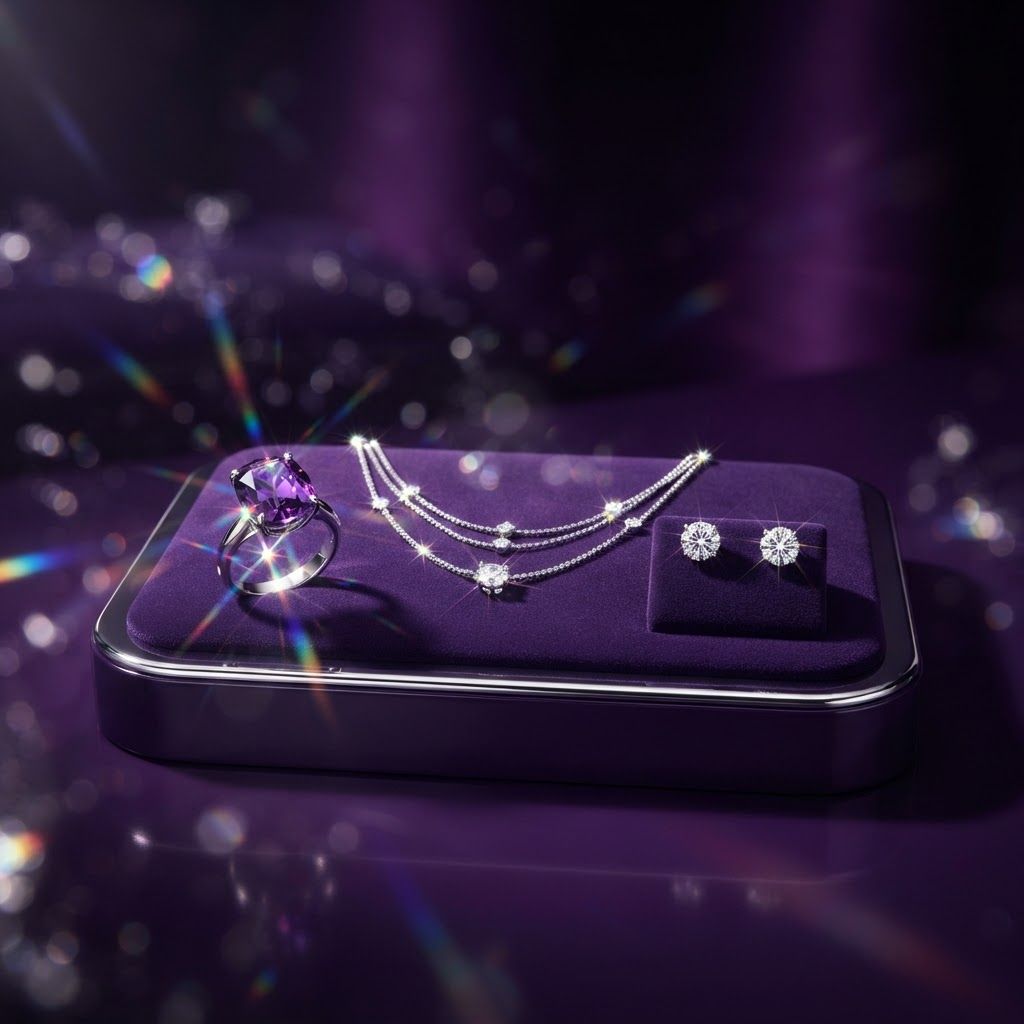
A Jewelry Market Built on Craft and Trust
Jewelry is a category where reputation compounds slowly, and Knoxville reflects that. Many of the strongest names in the local market are multi-generation family businesses or bench jewelers who built followings through custom work and repair rather than advertising. The region's craft heritage also plays a role, with Appalachian metalsmithing and lapidary traditions feeding a steady supply of independent makers working in silver, copper and locally sourced stones.
The market divides roughly into four segments: bridal and fine jewelry, custom and bespoke design, artisan and handmade pieces, and estate or antique dealing. Understanding which segment fits your purchase clarifies where to shop and what questions to ask.
The Top 10 Jewelry Brands in Knoxville
1. Tennessee Valley Fine Jewelers is a long-established full-service jeweler known for bridal collections, diamond sourcing and in-house bench work. Its reputation rests on transparent grading discussions and a willingness to explain tradeoffs rather than steer customers toward inventory.
2. Market Square Goldsmiths specializes in custom design, working from sketches or client concepts through wax carving or digital modeling to finished piece. The studio is a common choice for redesigning inherited jewelry, a service that requires both technical skill and sensitivity.
3. Appalachian Silverworks produces handcrafted sterling silver pieces with designs drawn from regional flora, river forms and mountain motifs. The brand appeals to buyers who want distinctive, locally made jewelry at accessible price points.
4. Old City Estate Jewelry deals in antique, vintage and estate pieces spanning Victorian through mid-century periods. Buying estate jewelry often delivers superior craftsmanship per dollar, and the shop is known for accurate period attribution and honest condition reporting.
5. Smoky Mountain Gem Studio focuses on colored gemstones, including sapphire, tourmaline, garnet and locally significant stones. Lapidary work is done in house, which allows custom cuts and repairs that most retail jewelers outsource.
6. Volunteer Diamond Company concentrates on engagement and wedding jewelry with a strong emphasis on education. The team walks clients through cut quality, fluorescence, certification differences and the practical distinctions between natural and laboratory-grown diamonds.
7. Cumberland Custom Bands specializes in wedding bands, including alternative materials such as titanium, tantalum, damascus steel and wood or meteorite inlays alongside traditional precious metals. Durability guidance for hands-on professions is a genuine strength.
8. Holston Heirloom Restoration is primarily a repair and restoration workshop handling prong retipping, shank replacement, stone resetting, pearl restringing and antique conservation. Skilled restoration work is scarce, and this is where much of the local trade sends complex jobs.
9. Gay Street Contemporary Jewelry stocks modern, minimal everyday pieces including stacking rings, layered chains and delicate studs. The focus is wearable design at moderate prices, aimed at buyers building a versatile daily collection.
10. Knox Watch and Jewelry combines fine jewelry with mechanical watch sales and service, offering movement servicing, crystal replacement and vintage watch restoration in addition to standard jewelry repair.
Trends Shaping Jewelry Buying
Laboratory-grown diamonds have fundamentally reshaped the bridal market, offering visually identical stones at substantially lower cost. Natural diamonds retain preference among buyers who value rarity and long-term value, and reputable jewelers now present both openly rather than disparaging either.
Colored gemstones have gained significant ground in engagement rings, with sapphire and spinel leading due to hardness and color range. Recycled precious metals and traceable sourcing are increasingly standard requests. Redesigning inherited jewelry has grown sharply as younger buyers seek meaning without dated styling. Finally, permanent and welded jewelry has become popular for its simplicity, though buyers should consider removal logistics before committing.
How to Evaluate Quality
For diamonds, cut quality affects appearance more than any other factor and should be prioritized over marginal gains in carat weight. Request independent laboratory certification for significant stones and understand that grading standards vary between laboratories. For colored stones, ask about treatments, which are common and acceptable when disclosed but materially affect value.
For metalwork, examine prong thickness and seating, check that solder joints are clean and consistent in color, and confirm that the piece sits flat and symmetrically. Ask whether the setting is cast or fabricated, and for rings intended for daily wear, ask about metal choice, since platinum and fourteen karat gold behave very differently under abrasion.
Care and Protection
Have prongs inspected annually on frequently worn rings, as prong failure is the leading cause of stone loss. Remove jewelry before swimming, cleaning with chemicals and heavy manual work. Clean most pieces with warm water, mild soap and a soft brush, but avoid ultrasonic cleaning for emeralds, opals, pearls and any stone with fractures or fillings.
Store pieces separately to prevent harder stones from scratching softer ones, and keep pearls away from dry environments and cosmetics. Obtain a written appraisal for insurance purposes and update it periodically, since metal and stone values shift.
Buying With Confidence
Work with jewelers who welcome questions and provide written documentation of metal content, stone weights, treatments and certification. Be cautious of pressure tactics and permanent discount pricing, which often signals inflated baselines. Ask whether repairs are performed on site, because sending pieces away increases risk and turnaround time.
Final Thoughts
Knoxville offers a genuinely strong jewelry market with real bench talent, credible custom design and reputable estate dealing. Whether the goal is an engagement ring, a handmade artisan piece or restoring a family heirloom, the expertise exists locally. Prioritize transparency and craftsmanship over marketing, and the purchase will hold both its value and its meaning.