
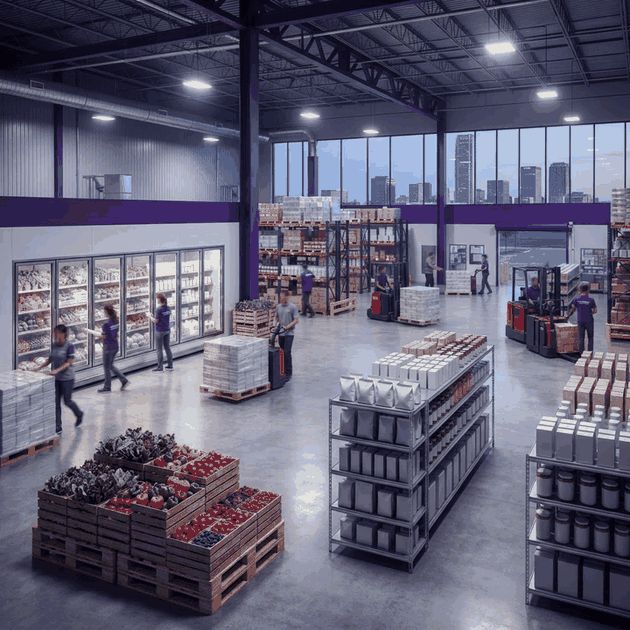
Food distribution in the Oklahoma City metro
A reliable food wholesaler affects menu consistency, labor efficiency, food safety, and profitability. Oklahoma City operators serve everything from barbecue and steakhouses to hospitals, schools, hotels, and international markets. Buyers should compare fill rates, delivery windows, product quality, traceability, order technology, minimums, and the distributor's ability to respond when a key item is unavailable.
1. Ben E. Keith Foods
Ben E. Keith Foods is a major regional food-service distributor with a strong presence in Oklahoma. It supplies produce, proteins, frozen foods, dry groceries, disposables, beverages, and kitchen essentials. Restaurant operators value broad assortment, culinary support, and category expertise that can help improve menu performance.
2. Sysco Oklahoma
Sysco serves restaurants, healthcare facilities, schools, hospitality groups, and other institutions with extensive national and regional product lines. Its scale supports menu programs, private-label options, equipment, supplies, and operational resources. Larger customers may benefit from standardized purchasing across multiple locations.
3. US Foods
US Foods combines broadline distribution with technology and business resources for food-service operators. Its assortment covers center-of-plate items, produce, pantry goods, disposables, and specialty products. Tools for ordering and menu analysis can help Oklahoma City restaurants manage cost changes and product substitutions.
4. Performance Foodservice
Performance Foodservice supplies independent restaurants and institutional customers with national brands, proprietary products, and fresh categories. Its strengths include route distribution and restaurant-focused support. Buyers should discuss cutoffs, delivery schedules, minimums, and emergency-order procedures before establishing an account.
5. Tankersley Foodservice
Tankersley Foodservice is a regional distributor serving Oklahoma and surrounding markets. Regional companies often distinguish themselves through relationships, local decision-making, and knowledge of customer menus. Tankersley is worth considering for operators who value personal account support alongside a comprehensive food-service assortment.
6. Fadler Food Company
Fadler Food Company is known regionally for fresh produce and food-service distribution. Produce specialists can add value through ripening knowledge, seasonal sourcing, pack-size options, and quality control. Oklahoma kitchens with produce-heavy menus should evaluate arrival condition, usable yield, and consistency rather than case price alone.
7. Cusack Meats
Cusack Meats has longstanding Oklahoma roots and expertise in meat processing and distribution. Local protein specialists can offer useful cuts, portioning, custom programs, and market knowledge. Restaurants should compare trim specifications, aging, pack format, yield, and consistency to understand true plate cost.
8. Bama Foods and regional specialty suppliers
Oklahoma's food-manufacturing ecosystem includes companies producing bakery items, prepared foods, and specialty ingredients. Regional manufacturers such as Bama Foods illustrate the value of nearby production for consistent programs. Availability depends on channel and account type, so buyers should confirm distribution arrangements and minimum volumes.
9. Restaurant Depot
Restaurant Depot provides cash-and-carry access to food, beverages, disposables, equipment, and supplies for qualified businesses. This model is useful for independent operators needing immediate replenishment or the ability to inspect products before purchase. It can complement, rather than replace, scheduled broadline delivery.
10. Associated Wholesale Grocers
Associated Wholesale Grocers serves independent supermarkets with grocery, fresh, frozen, health, and general merchandise programs. Its cooperative model is particularly relevant to Oklahoma-area grocers competing with national chains. Retail support, private brands, and distribution scale can strengthen assortment and operational efficiency.
How to compare food wholesalers
Request samples and write exact specifications for high-impact products. Review temperature controls, recall procedures, allergen documentation, lot traceability, and substitution policies. Calculate edible yield and labor requirements, not simply invoice price. A pre-portioned item may cost more per pound but reduce prep time and waste. Operators should also maintain approved alternates for essential ingredients.
Food-service trends in Oklahoma City
Customers increasingly want convenient takeout, regional sourcing, global flavors, transparent ingredients, and options for varied dietary needs. Operators are responding with flexible menus and tighter inventory. Distributors that provide accurate data, smaller pack sizes, dependable cold-chain handling, and thoughtful alternatives can help local businesses protect quality while managing volatile costs.