
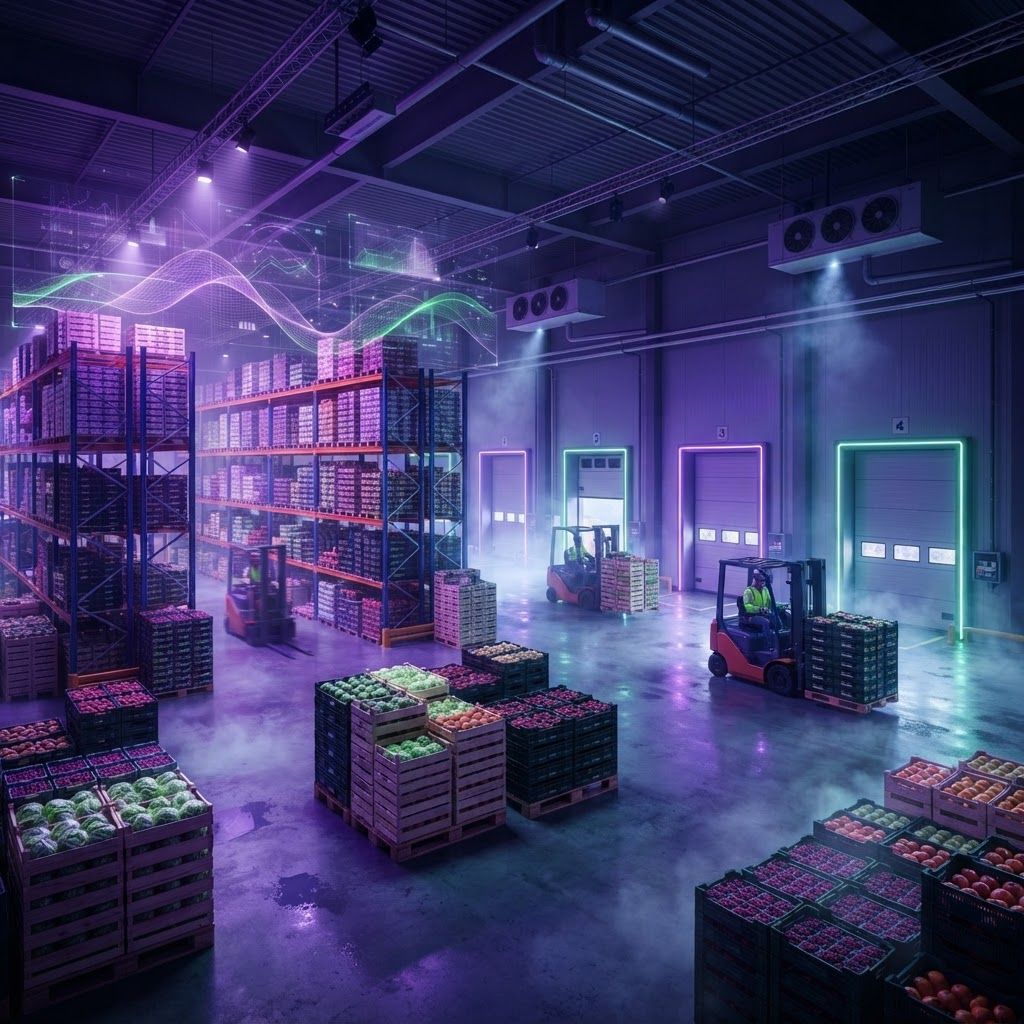
Huntsville's restaurant scene has grown remarkably, from the food halls at Campus No. 805 and Stovehouse to independent kitchens across Madison, Hampton Cove, and downtown. Behind every one of those menus sits a distribution network moving produce, protein, dairy, dry goods, beverages, and disposables through temperature controlled supply chains on tight schedules. Food wholesale is unforgiving work: a missed delivery or a broken cold chain shows up on a plate the same day, so operators judge suppliers on reliability far more than on price alone.
How Food Distribution Is Structured
The market has distinct segments. Broadline distributors carry thousands of SKUs across every category and serve as a primary supplier with scheduled delivery. Specialty and niche distributors focus on produce, seafood, meat, bakery, coffee, or ethnic and international goods with deeper category expertise. Cash and carry wholesale clubs serve small operators, caterers, and food trucks who buy as needed. Local farm and food hub aggregators supply seasonal regional produce, eggs, and value added goods. Protein specialists and butchers provide custom cutting and portion control. Beverage distributors handle soft drinks, beer, wine, and spirits under separate regulatory structures. Finally, disposables and janitorial suppliers cover packaging, gloves, and cleaning chemicals.
Most successful kitchens run a primary broadline supplier plus two to four specialists, using cash and carry as a gap filler rather than a plan.
Top 10 Best Food Wholesalers in Huntsville
1. Broadline Foodservice Distributors
National and regional broadliners serving North Alabama provide the widest catalog, scheduled multi week deliveries, online ordering, order guides, and menu costing tools. Their value is consolidation: one truck, one invoice, one relationship. Negotiate on category level pricing and ask what happens when an item is out of stock, because substitution policy affects your menu directly.
2. Produce Specialists
Dedicated produce houses run tighter cold chains, buy more frequently, and understand ripeness windows better than a general catalog. Chefs who care about tomatoes, greens, and stone fruit almost always buy produce separately. Ask about delivery frequency, since produce quality is largely a function of days from harvest.
3. Meat and Protein Purveyors
Butchers and protein distributors offering custom cutting, portion control, aging programs, and specified grades let a kitchen control cost and consistency precisely. Discuss yield, trim specification, and case pack sizing rather than only price per pound, since a properly specified cut usually costs less in practice.
4. Seafood Distributors
Fresh seafood in landlocked North Alabama depends on airfreight and rigorous handling. Suppliers who publish arrival days, provide harvest and origin information, and pack properly with adequate ice make the difference between a signature dish and a liability. Frozen at sea products deserve serious consideration for consistency.
5. Cash and Carry Wholesale Clubs
Warehouse clubs and restaurant depots serve food trucks, caterers, small cafes, churches, and operators who need product today. No minimums, no delivery windows, and immediate availability come at the cost of higher unit pricing and your own labor. Excellent as a supplement, expensive as a primary strategy.
6. Local Farms and Regional Food Hubs
Alabama and southern Tennessee farms supply seasonal vegetables, eggs, honey, and specialty items through direct relationships and aggregating food hubs. Menus built around local sourcing earn genuine differentiation, but require flexibility, advance planning with growers, and acceptance of seasonality. Confirm food safety practices and liability insurance for institutional accounts.
7. Bakery and Dessert Wholesalers
Commercial bakeries and dessert distributors supply bread, buns, pastries, and frozen dough to restaurants, hotels, and grocers. Daily or several times weekly delivery matters more here than in almost any other category, and par baked and frozen dough programs let small kitchens produce fresh bread without a bakery staff.
8. Coffee, Tea, and Beverage Programs
Roasters and beverage distributors typically bundle equipment, service, and training with product. Because equipment support is part of the deal, evaluate response time on a broken espresso machine as seriously as you evaluate the coffee itself.
9. International and Ethnic Food Importers
Huntsville's international population and diverse restaurant scene support importers and specialty grocers carrying Asian, Latin, Middle Eastern, Indian, and European goods at wholesale. These suppliers are often the only practical source for authentic ingredients, and many will special order by the case.
10. Disposables, Packaging, and Janitorial Suppliers
Takeout containers, cups, gloves, film, chemicals, and paper goods are unglamorous but consume real budget, and shortages stop service just as surely as a protein outage. Suppliers who help standardize packaging across the menu and manage chemical dispensing systems add more value than a low price on cups.
How to Build a Reliable Food Supply Program
Choose a primary and then specialize deliberately. Consolidating volume with one broadliner earns better pricing and service, while carving out produce, protein, and seafood to specialists protects quality where guests notice most. Document your specifications by item so that substitutions are evaluated against a standard rather than accepted by default.
Verify food safety and cold chain practices. Ask about HACCP programs, third party audits, refrigerated truck monitoring, recall procedures, and lot traceability. Any supplier serving schools, hospitals, or government facilities should answer these questions immediately and in detail.
Manage the economics actively. Track price movement on your top twenty items, review invoices against quoted pricing, understand fuel and delivery minimums, and negotiate rebates or volume tiers once your volume justifies them. Keep an approved backup source for every critical category, because outages, weather, and national supply disruptions are routine rather than exceptional.
Conclusion
Food wholesale in Huntsville is deep enough to support both efficient broadline consolidation and genuinely differentiated local sourcing. Anchor with a strong primary distributor, add specialists where guests can taste the difference, verify food safety rigorously, and always keep a second source qualified. Reliability, not price per case, is what keeps a kitchen open.