
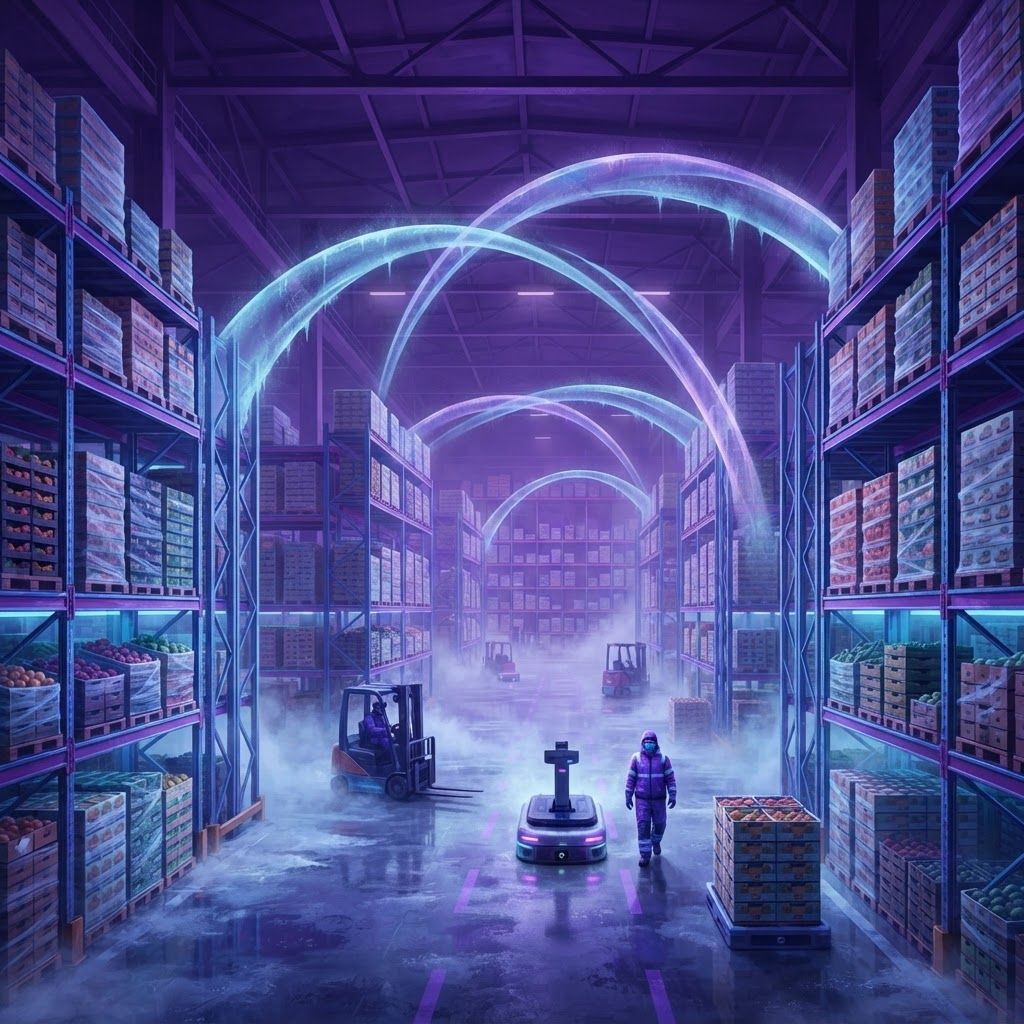
Fontana's Role in Regional Food Distribution
Feeding the Inland Empire is a substantial logistics undertaking, and Fontana sits at a useful point in that network. The city offers cold storage capacity, freeway access in every direction and proximity to both the ports and California's agricultural valleys. Produce arriving from the Central Valley, Imperial Valley and Mexico moves through the region continuously, while imported goods arrive through the ports and dry groceries come from national manufacturing centres.
For food service operators, that convergence matters. A restaurant in Fontana can receive produce harvested days earlier, imported specialty items and centre-of-plate proteins from suppliers within a short radius. Delivery windows are tight, cold chain integrity is maintained across shorter transit, and emergency orders are genuinely possible when a supplier is nearby rather than in another county.
Categories of Food Wholesale Suppliers
Broadline distributors carry a comprehensive range, allowing operators to consolidate purchasing with one supplier. Produce specialists focus on fruits and vegetables with daily delivery and market pricing. Protein suppliers handle meat, poultry and seafood, often providing custom cutting and portioning. Dairy and refrigerated distributors manage temperature-sensitive categories. Dry goods and pantry distributors supply shelf-stable products in bulk. Specialty and ethnic food wholesalers serve specific cuisines and premium categories. Cash and carry operations allow immediate small-quantity purchasing without delivery scheduling.
The Top 10 Food Wholesalers Serving Fontana
1. Inland Empire Foodservice Distribution
A broadline distributor supplying restaurants, cafeterias and caterers with produce, protein, frozen goods, dry groceries and disposables. Consolidated ordering with dependable delivery windows is the core value, and account representatives who understand menu costing add practical benefit beyond order taking.
2. Fontana Fresh Produce Wholesale
Daily fresh fruit and vegetable supply serves restaurants, markets and institutional kitchens. Quality grading discipline and willingness to communicate honestly about market conditions and availability help chefs plan menus rather than react to shortages.
3. Sierra Meat and Poultry Supply
Beef, pork, poultry and value-added protein products are supplied with custom cutting and portioning services. Consistent portion control directly stabilizes food cost, and cold chain documentation supports operators facing health department inspection.
4. Valley Seafood Distribution
Fresh and frozen seafood serves restaurants and retail markets. Because seafood is the most perishable and most frequently misrepresented protein category, sourcing transparency and rapid turnover are the qualities that matter most, and both are priorities here.
5. Cypress Dairy and Refrigerated Distribution
Milk, cheese, butter, eggs and refrigerated prepared foods are delivered on tight schedules with monitored temperature control. Reliability in this category is non-negotiable, since dairy shortfalls disrupt breakfast and bakery operations immediately.
6. Fontana Bakery and Pastry Supply
Flour, sugar, chocolate, fillings, frozen dough and finished baked goods supply bakeries, cafés and food service operations. Ingredient consistency matters greatly in baking, where small variations in flour protein content change finished product noticeably.
7. Foothill International Foods Wholesale
Latin, Asian, Middle Eastern and Mediterranean ingredients serve the region's diverse restaurant community and specialty markets. Authentic sourcing and deep category knowledge make this supplier valuable to operators whose cuisine depends on specific regional products.
8. Arrow Ridge Beverage Distribution
Coffee, tea, juices, syrups and non-alcoholic beverages are supplied alongside equipment support and staff training. Beverage programmes carry strong margins for operators, and supplier expertise helps convert that potential into actual profit.
9. Metro West Cash and Carry Foods
A warehouse format allowing operators to purchase immediately without delivery minimums serves small restaurants, food trucks and caterers. Flexibility is the appeal, particularly for businesses with unpredictable volume or last-minute event work.
10. Rialto Fontana Institutional Food Supply
Schools, healthcare facilities and large institutions have specific nutritional, documentation and bidding requirements. This distributor specializes in that environment, with nutritional analysis support and compliance documentation built into its service model.
Food Safety and Cold Chain Requirements
Food safety is a shared responsibility between distributor and operator. Confirm that suppliers maintain current third-party food safety certification and can provide audit documentation. Ask how temperature is monitored during transit and whether delivery drivers record arrival temperatures. Verify traceability capability, because a recall response depends on knowing which lots you received. Inspect deliveries on arrival rather than accepting and storing them unchecked, and reject product outside temperature specification. Maintain your own receiving logs, since they protect you during inspection and during any recall investigation.
Controlling Food Cost Through Purchasing
Food cost management begins at purchasing rather than in the kitchen. Track pricing across suppliers on your highest-volume items, since a small percentage on a top ten item outweighs savings on rarely used products. Understand market versus contract pricing and use contracts where volatility hurts you. Buy seasonally, because produce at peak season is both cheaper and better. Evaluate value-added products honestly, comparing the labour saved against the premium paid. Finally, review invoices against quoted prices consistently, as pricing drift is common and rarely intentional but always costly.
Trends in Food Distribution
Technology adoption is significant, with online ordering, inventory integration and usage analytics now expected from major distributors. Local and traceable sourcing continues to grow as consumer interest in provenance increases. Labour shortages in kitchens are driving demand for pre-processed and value-added products. Sustainability is influencing packaging and waste reduction requirements. Finally, menu volatility has made supplier flexibility more valuable than long fixed commitments.
Final Thoughts
Fontana's food wholesalers cover every category a food business needs, from daily produce to institutional programme supply. The best supplier relationships are built on reliability, transparency and category expertise rather than the lowest line item price. Use a primary broadline distributor for efficiency, add specialists where quality genuinely differentiates your menu, and treat your suppliers as partners in protecting both your food cost and your food safety record.