
Aquaculture and Seafood Near Tuscaloosa
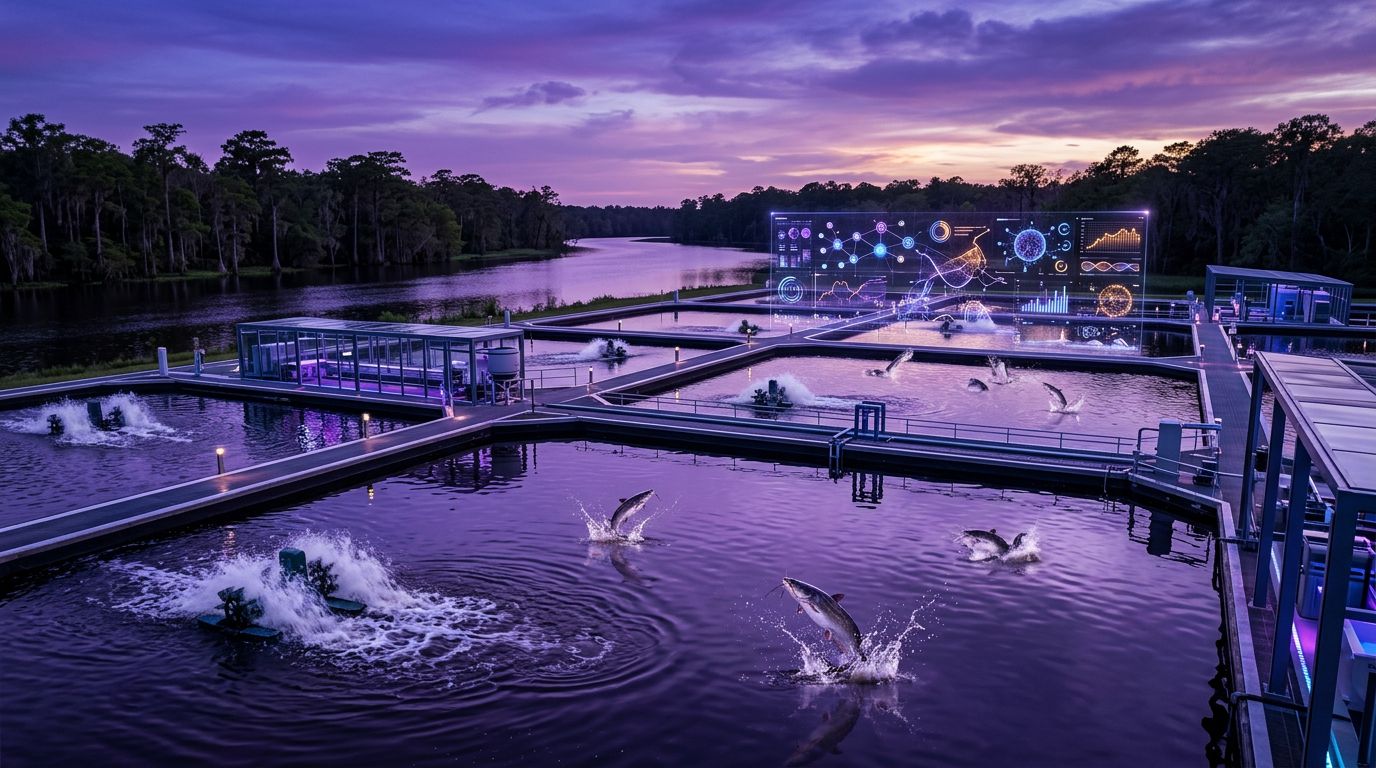
Few people outside the South realize how important aquaculture is to West Alabama. The Black Belt counties just south and west of Tuscaloosa, including Hale, Greene, Perry, and Dallas, contain thousands of acres of catfish ponds. Alabama is one of the leading producers of farm-raised catfish in the United States, and much of that production is concentrated within an easy drive of Tuscaloosa. The state also has a thriving Gulf seafood industry centered around Mobile Bay and Bayou La Batre.
For Tuscaloosa restaurants, grocers, and families, this means access to fresh, high-quality fish raised close to home. Fried catfish is a Southern staple, and many local restaurants pride themselves on serving U.S. farm-raised fish. The following ten fishery companies and aquaculture partners stand out for the region.
1. Harvest Select Catfish
Harvest Select Catfish operates a processing plant in Uniontown, Alabama, and works with local catfish farmers across the Black Belt. It produces fresh and frozen catfish fillets, nuggets, and whole fish for restaurants and retailers. The company is known for quality control and its commitment to supporting Alabama farmers.
2. SouthFresh Farms
SouthFresh Farms, based in Eutaw in Greene County, is a farmer-owned catfish processor. It supplies fresh and frozen catfish products to food service and retail customers throughout the Southeast. Its cooperative structure ensures that local farmers benefit directly from the company's success.
3. Delta Pride Catfish
Delta Pride Catfish is one of the largest catfish processors in the United States, owned by farmers in the Mississippi Delta. Its products are widely distributed across the South, and Tuscaloosa restaurants and grocers often carry Delta Pride fillets and breaded products.
4. Heartland Catfish Company
Heartland Catfish Company processes farm-raised catfish in Mississippi and supplies retailers and food service operators. It emphasizes freshness and sustainable farming practices, and its products are available throughout the Southeast.
5. Consolidated Catfish Producers
Consolidated Catfish Producers processes catfish raised by member farms and sells under brands recognized by grocery shoppers. Its value-added products, including marinated and breaded fillets, are popular with busy families and restaurants.
6. Simmons Farm Raised Catfish
Simmons Farm Raised Catfish is a family-owned operation that raises and processes catfish. It is known for vertical integration, managing everything from ponds to processing, which supports consistent quality and traceability.
7. Bon Secour Fisheries
Bon Secour Fisheries, located on the Alabama Gulf Coast, has been supplying fresh oysters, shrimp, and fish for generations. Its products reach restaurants and seafood markets across the state, giving Tuscaloosa diners access to authentic Gulf seafood.
8. Alabama Farmers Cooperative Seafood Division
Alabama Farmers Cooperative operates a seafood business that processes and markets catfish and other aquaculture products. Its connection to Alabama farmers and statewide distribution network make it an important part of the industry.
9. Southeastern Pond Management
Southeastern Pond Management provides fish stocking, pond construction, aquatic weed control, and lake management services across the Southeast. Landowners and recreational lake owners around Tuscaloosa use its expertise to create healthy fisheries for bass, bream, and catfish.
10. Sysco Seafood
Sysco's seafood programs supply restaurants and institutions with a wide range of fresh and frozen fish and shellfish. Its sourcing standards and cold chain logistics help Tuscaloosa restaurants offer seafood dishes with confidence in quality and safety.
How to Choose a Fishery Supplier
Restaurants and retailers should consider freshness, product origin, processing standards, and food safety certifications. Choosing U.S. farm-raised catfish supports local farmers and ensures strict regulatory oversight. Ask suppliers about delivery frequency, portion sizes, and value-added options. Landowners seeking pond management should look for experienced biologists who can assess water quality, stocking rates, and long-term fishery health.
Why Local Catfish Matters
Buying catfish raised in West Alabama supports rural economies in some of the state's most economically challenged counties. Catfish farming provides jobs in feed production, pond management, processing, and transportation. Local sourcing also means shorter transport times and fresher products. Many Tuscaloosa diners actively seek restaurants that serve domestic farm-raised catfish, and some menus highlight their Alabama sources as a point of pride.
Industry Trends
The catfish industry is adopting improved pond aeration, split-pond systems, and data monitoring to increase efficiency. Consumer interest in sustainable and traceable seafood continues to grow. Value-added products such as seasoned fillets and ready-to-cook items are expanding retail sales. Gulf seafood producers are investing in oyster aquaculture and marketing campaigns that highlight the quality of Alabama seafood.
Recreational Fisheries Around Tuscaloosa
Lake Tuscaloosa, Lake Nicol, and the Black Warrior River offer excellent recreational fishing for bass, crappie, bream, and catfish. Private pond owners also stock fish for family recreation, making pond management services increasingly popular across the county.
Conclusion
Tuscaloosa benefits from proximity to one of America's most important catfish farming regions and to the rich waters of the Gulf Coast. Processors like Harvest Select and SouthFresh Farms, regional leaders like Delta Pride, Gulf specialists like Bon Secour Fisheries, and pond management experts together create a strong local seafood ecosystem. Supporting these companies means fresher meals and stronger rural communities across West Alabama.