
Agriculture Around South Bend
Although South Bend is known for Notre Dame and its urban revival, it is surrounded by productive farmland. St. Joseph County and neighboring counties in northern Indiana and southwest Michigan grow large amounts of corn and soybeans, and the region also supports dairy farms, orchards, vegetable growers, mint farms, and livestock operations. Amish and Mennonite communities to the east contribute small-scale family farms, produce auctions, and traditional farming practices.
Farming companies in the region range from large agribusinesses that handle grain and inputs to family-run farms that sell directly to consumers at markets like the South Bend Farmers Market. Each plays a role in the local food system, the regional economy, and the rural character that defines much of Michiana.
1. Fair Oaks Farms
Located in northwest Indiana, Fair Oaks Farms is one of the most recognized agricultural operations in the state. It combines large-scale dairy and pork production with agritourism, giving visitors an inside look at modern farming. Its dairy products are available across the region, and its educational approach has helped many families understand where their food comes from.
2. Gunthorp Farms
Gunthorp Farms, based in LaGrange County, is known for pasture-raised pork, chicken, and duck. It is a favorite among chefs and restaurants that prioritize humane animal husbandry and flavorful, high-quality meat. Several South Bend restaurants feature its products on their menus.
3. Kercher's Sunrise Orchards
Kercher's Sunrise Orchards near Goshen grows apples, peaches, pumpkins, and seasonal produce. It is a beloved fall destination for families in the South Bend area, offering farm market shopping and seasonal activities that connect consumers with local agriculture.
4. Rose Acre Farms
Rose Acre Farms is an Indiana-based egg producer and one of the largest in the country. Its scale and focus on food safety make it a key supplier to grocery stores and food manufacturers across the Midwest, including those serving South Bend shoppers.
5. Prairie Farms Dairy
Prairie Farms is a farmer-owned dairy cooperative with members across the Midwest, including Indiana. Its milk, cheese, ice cream, and cultured products are common in local stores, and the cooperative model helps family dairy farms remain competitive.
6. Ceres Solutions Cooperative
Ceres Solutions is an Indiana farmer cooperative that provides agronomy, energy, grain marketing, and crop inputs. Many growers around northern Indiana depend on its fertilizer, seed, crop protection, and precision agriculture services to improve yields and manage costs.
7. The Andersons
The Andersons operates grain elevators, ethanol production, and plant nutrient businesses throughout the eastern Corn Belt, including facilities in Indiana and Michigan. For local farmers, it provides important outlets for marketing corn, soybeans, and wheat.
8. ADM
ADM, one of the world's largest agricultural processors, purchases grain and oilseeds from farmers across Indiana. Its processing facilities transform crops into food ingredients, animal feed, and renewable fuels, connecting local farms to global markets.
9. Farm Credit Mid-America
Farm Credit Mid-America provides loans, crop insurance, and financial services to farmers and rural property owners in Indiana and neighboring states. Access to tailored agricultural financing helps young and established farmers invest in land, equipment, and new practices.
10. Unity Gardens
Unity Gardens is a South Bend community gardening organization that operates gardens across the city, offering free fresh produce and education on sustainable growing. While different from commercial farms, it plays an important role in urban agriculture, food access, and community health.
Farming Trends in Northern Indiana
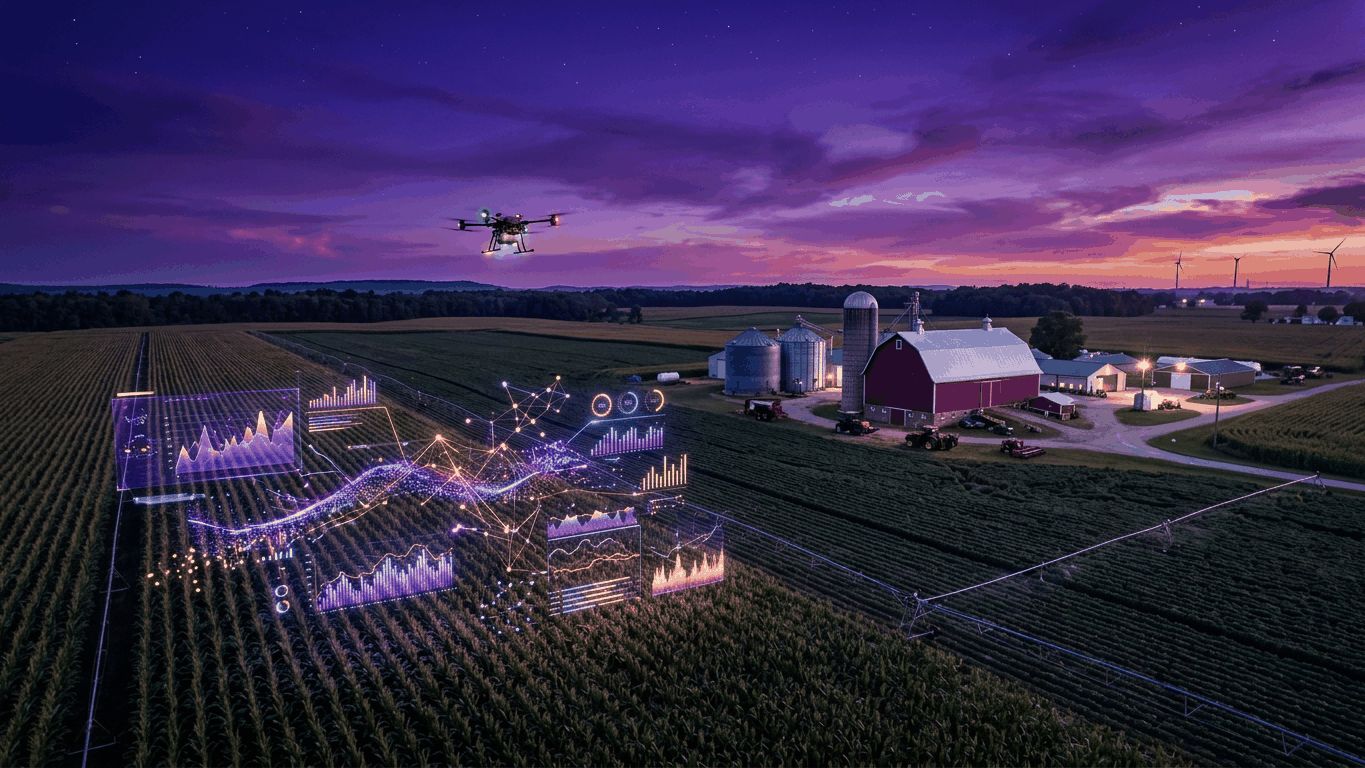
Precision agriculture has become standard on many farms, with GPS-guided equipment, variable-rate seeding, and drone imagery helping farmers apply inputs more efficiently. Cover crops and no-till practices are increasingly common as growers focus on soil health and water quality, especially in the St. Joseph River watershed. Direct-to-consumer sales have also grown, with more farms selling meat shares, produce boxes, and farm-stand goods.
At the same time, farmers face challenges such as volatile commodity prices, rising input costs, and labor shortages. Cooperatives and agricultural lenders play a vital role in helping farms navigate these pressures.
Supporting Local Agriculture
South Bend residents can support area farms by shopping at the South Bend Farmers Market, joining community-supported agriculture programs, visiting orchards and pumpkin patches, and choosing restaurants that source locally. Businesses can partner with local farms for catering, employee wellness programs, and corporate gifts that highlight regional products.
How to Choose a Farming Partner
For restaurants and retailers, consider consistency of supply, food safety certifications, and transparency about growing practices. For farmers seeking input suppliers or grain buyers, compare pricing, agronomic expertise, and payment terms. Long-term relationships built on trust tend to deliver the best results for everyone involved.
The Future of Farming in Michiana
The next generation of farmers in the South Bend region is blending tradition with innovation. Many young producers are experimenting with high tunnels to extend the growing season through cold northern Indiana springs and autumns, while others are adding value through on-farm processing, such as cheese making, cider pressing, or meat packaging. Agritourism, including farm dinners, u-pick fields, and educational tours, provides additional income and strengthens connections with city residents. Partnerships with Purdue Extension and local universities also help farmers access research on soil health, pest management, and climate resilience.
Final Thoughts
The farms and agricultural companies around South Bend form a diverse and resilient network, from large cooperatives and processors to family farms and urban gardens. Together, they feed the region, support the economy, and preserve the agricultural heritage that remains central to life in northern Indiana.