
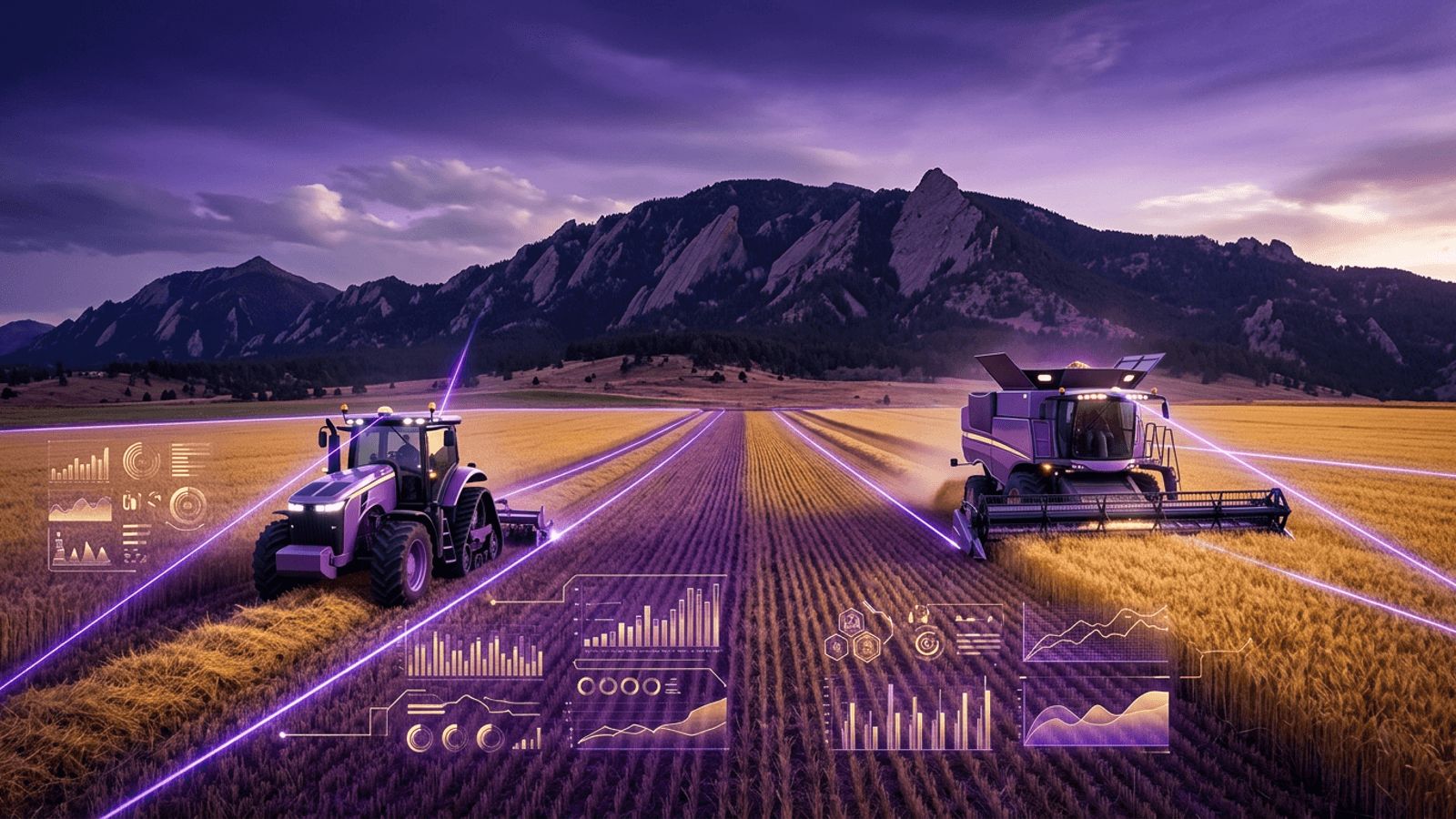
Equipment for Boulder County Agriculture
Agriculture in Boulder County ranges from large hay and grain operations on the eastern plains to intensive organic vegetable farms on just a few acres. Many residents also own small acreages with horses, pastures, and large gardens. Each type of operation requires equipment suited to its scale, soil, and crops. Choosing the right brand affects productivity, operating costs, and long-term reliability.
Local conditions matter. Heavy clay soils, rocky ground near the foothills, limited irrigation water, and a short growing season all influence equipment choices. Dealers and farmers in the region often favor brands with strong local service networks and parts availability.
How We Evaluated These Brands
We considered reliability, product range, technology, dealer support in the Front Range, resale value, and suitability for different farm sizes. The list includes major global manufacturers and specialized brands popular with small and organic farms.
The Top 10 Agricultural Equipment Brands in Boulder
1. John Deere
John Deere is the most recognizable agricultural equipment brand in the region, offering tractors, combines, balers, and precision agriculture technology. Its local dealers provide comprehensive service and parts, and its compact utility tractors are popular with acreage owners.
2. Kubota
Kubota is renowned for compact and mid-size tractors that are reliable, fuel-efficient, and easy to operate. Small farms, landscapers, and property owners in the foothills appreciate its maneuverability and durability.
3. Case IH
Case IH manufactures high-horsepower tractors, combines, and tillage equipment for larger operations. Its Advanced Farming Systems technology helps farmers optimize planting and harvesting.
4. New Holland
New Holland is a leader in hay and forage equipment, including balers, mowers, and rakes. Boulder County hay producers and ranchers rely on its equipment to put up quality forage during short summer windows.
5. Massey Ferguson
Massey Ferguson offers versatile tractors and hay tools with a reputation for straightforward design and value. Its utility tractors suit mixed livestock and crop operations.
6. Mahindra
Mahindra produces rugged, affordable tractors with strong warranties. Its compact and utility models are a popular choice for hobby farms and horse properties.
7. BCS
BCS two-wheel walk-behind tractors are favorites among small organic vegetable farms. Interchangeable implements such as rotary plows, flail mowers, and power harrows make them incredibly versatile on tight acreage.
8. Vermeer
Vermeer is known for round balers, bale processors, and hay tools, as well as tree and landscape equipment. Its innovations in baling efficiency serve ranchers throughout Colorado.
9. Fendt
Fendt, part of AGCO, offers premium tractors with continuously variable transmissions and advanced operator comfort. Larger operations value its fuel efficiency and smooth performance.
10. Jang and Small Farm Tool Makers
Precision seeders from Jang and other small-farm tool manufacturers such as paper pot transplanters and wheel hoes help market gardeners plant efficiently and reduce labor, a critical advantage for Boulder's intensive organic farms.
Trends in Agricultural Equipment
Precision agriculture is transforming farming. GPS guidance, auto-steer, variable rate application, and yield mapping help farmers reduce input costs and environmental impact. Even mid-size operations are adopting these technologies as prices fall.
Electrification is beginning to reach farm equipment, with electric compact tractors and utility vehicles offering quiet, low-maintenance operation for small farms. Boulder County's sustainability goals and incentive programs encourage early adoption.
Right-to-repair is a growing conversation, as farmers seek access to diagnostic tools and parts to fix their own equipment. Brands that support independent repair are earning goodwill among farmers who value self-reliance.
How to Choose Agricultural Equipment
Start by matching equipment size to your acreage and tasks. Oversized machines waste money and compact soil, while undersized equipment slows work. Consider dealer proximity and service quality, since downtime during planting or harvest is costly. Evaluate total cost of ownership, including fuel, maintenance, and resale value. Test drive equipment when possible and ask local farmers about their experiences.
Matching Equipment to Boulder's Farm Types
Boulder County agriculture is remarkably varied, and equipment needs change dramatically from one operation to the next. Dryland grain and hay farms on the eastern plains benefit from high-horsepower tractors, wide implements, and precision guidance. Irrigated vegetable farms near Longmont and Lafayette need bed shapers, cultivating tractors, and transplanters. Horse properties in the foothills rely on compact tractors with loaders, harrows for arenas, and mowers for pasture maintenance. Understanding your operation's specific tasks before visiting a dealer will help you invest in machines that deliver real value season after season.
Frequently Asked Questions
What size tractor does a small acreage need?
Most properties under ten acres are well served by a compact tractor in the twenty-five to forty horsepower range with a loader.
Is used farm equipment worth buying?
Well-maintained used equipment can be an excellent value. Always review service records and inspect for wear before purchasing.
Are there grants for sustainable farm equipment?
Federal, state, and county programs periodically offer cost-share funding for equipment that improves soil health or water efficiency.
Conclusion
From massive combines to walk-behind tractors, the agricultural equipment brands on this list power Boulder County's diverse farming community. Choosing the right equipment and dealer partnership helps farmers work efficiently, protect the land, and keep local agriculture thriving.