
Agriculture Around Gainesville
Just beyond Gainesville's city limits lies a rich agricultural landscape. Alachua County is home to vegetable farms, cattle ranches, blueberry fields, nurseries, and organic growers. The region's mild winters, long growing season, and fertile soils make it ideal for a wide variety of crops. The University of Florida's Institute of Food and Agricultural Sciences, known as UF IFAS, adds a research-driven dimension that helps local farmers adopt innovative practices.
Farming companies in and around Gainesville supply farmers markets, restaurants, grocery stores, and community-supported agriculture programs. This guide highlights ten farming companies and operations recognized for quality, sustainability, and community engagement.
Why Local Farming Matters
Local farms strengthen food security, reduce transportation emissions, and support the regional economy. Fresh, locally grown produce often tastes better and retains more nutrients because it travels shorter distances. Gainesville residents have embraced local agriculture through farmers markets, CSA subscriptions, and farm-to-table restaurants, creating strong demand for regional producers.
1. Local Organic Vegetable Farms
Organic vegetable farms around Gainesville grow seasonal crops such as leafy greens, tomatoes, squash, and herbs without synthetic pesticides. Many sell directly through farmers markets and CSA programs, giving residents access to fresh, healthy produce while supporting sustainable farming practices.
2. Blueberry Farms
North Central Florida is known for early-season blueberries, and farms around Gainesville produce high-quality berries each spring. Many offer u-pick experiences, making them popular with families and visitors looking for a fun outdoor activity.
3. Cattle Ranches
Cattle ranching has deep roots in Alachua County. Local ranches raise grass-fed and pasture-raised beef, supplying restaurants, butcher shops, and direct-to-consumer customers who value quality and humane animal care.
4. Community Supported Agriculture Programs
CSA farms offer subscription boxes of seasonal produce delivered weekly or biweekly. These programs create stable income for farmers and give Gainesville households a consistent supply of fresh vegetables and fruits.
5. Plant Nurseries
Commercial and retail nurseries grow ornamental plants, native species, and landscape trees. Gainesville's love of green spaces and native landscaping supports a strong nursery industry in the region.
6. Poultry and Egg Farms
Small-scale poultry farms produce pasture-raised eggs and chicken. Their products are popular at farmers markets and with restaurants that emphasize ethical sourcing.
7. Hydroponic and Greenhouse Growers
Hydroponic farms grow lettuce, microgreens, and herbs in controlled environments. These operations produce consistent yields year-round and use significantly less water than traditional farming.
8. Peanut and Row Crop Farms
Row crop farms in North Florida grow peanuts, corn, and soybeans. These operations contribute to the regional agricultural economy and supply food processors and livestock feed producers.
9. Dairy Farms
Dairy farms in the region supply milk and dairy products to processors and local markets. Some offer farm tours and educational programs that connect consumers with where their food comes from.
10. UF IFAS Research Farms
While not commercial companies, UF IFAS research farms play a vital role in developing new crop varieties, sustainable practices, and pest management strategies. Their work benefits farmers throughout Florida and beyond.
How to Support Local Farms
Shop at farmers markets such as the Union Street Farmers Market, join a CSA, and choose restaurants that source locally. Ask grocery stores to carry regional products. Visiting u-pick farms and participating in farm events also helps build strong connections between farmers and the community.
Challenges Facing Local Farmers
Farmers in the Gainesville area face challenges including weather extremes, pests, water management, and development pressure on farmland. Labor shortages and rising input costs add to the difficulty. Research, community support, and innovative practices are helping farmers adapt and remain resilient.
Trends in Local Agriculture
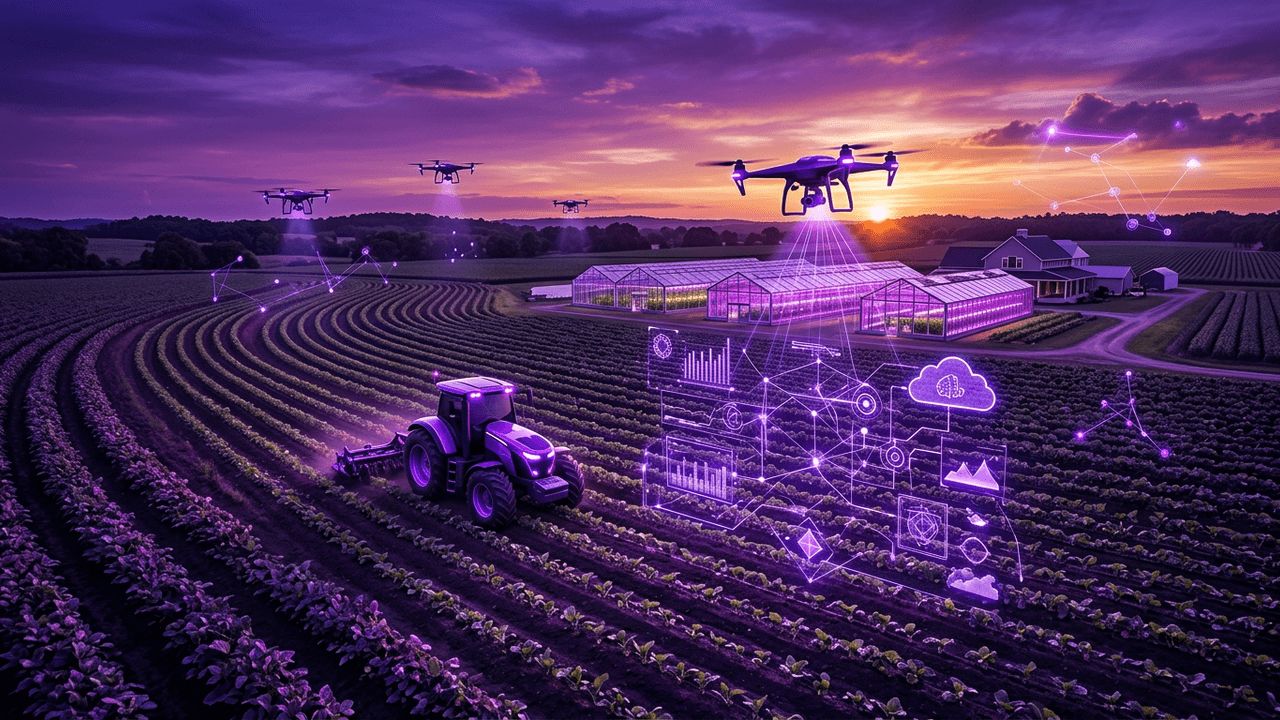
Regenerative agriculture, which focuses on soil health and biodiversity, is gaining momentum. Precision agriculture tools help farmers use water and fertilizer more efficiently. Direct-to-consumer sales through online platforms have expanded, and agritourism experiences are connecting more residents with local farms.
Frequently Asked Questions
When is the best time to buy local produce in Gainesville?
North Central Florida has a long growing season, with especially abundant produce in fall, winter, and spring. Summer brings melons, peppers, and okra.
What is a CSA?
Community supported agriculture allows customers to buy a share of a farm's harvest, receiving regular boxes of fresh produce throughout the season.
Farmers Markets and Direct Sales
Farmers markets are the heart of Gainesville's local food culture. The Union Street Farmers Market downtown, the Haile Village Farmers Market, and other weekly markets connect growers directly with customers, allowing farmers to earn better prices while residents enjoy fresh produce, eggs, honey, and baked goods. Many farms also sell through online ordering and weekly pickup points, making local food more convenient than ever for busy households and students.
The Role of UF IFAS Extension
The Alachua County extension office provides farmers and gardeners with soil testing, pest identification, workshops, and research-based advice. This support helps new and established farms adopt better practices, improve yields, and protect natural resources such as the region's springs and aquifer.
Final Thoughts
Farming companies around Gainesville provide fresh food, economic opportunity, and a strong connection to the land. From organic vegetable farms and blueberry fields to cattle ranches and research farms, these ten operations showcase the richness of Alachua County agriculture. Supporting them helps build a healthier, more sustainable community.