
Why Modesto Is a Distinctive Event Market
Modesto occupies an unusual position in California's event landscape. It has the venue variety of a wine and agricultural region, with working ranches, orchards, vineyards, and historic downtown buildings all available as event settings. It also has genuine commercial event demand from the food processing, agricultural equipment, and logistics sectors that anchor the local economy. And it sits close enough to the Bay Area and Sacramento that clients arrive with metropolitan expectations while working within Central Valley budgets.
That combination shapes what a competent event management company in Modesto must be able to do. Purely residential wedding planners struggle when a client wants a four-hundred-person harvest dinner in an almond orchard with no permanent power. Purely corporate producers struggle when the venue is a barn with a single circuit and a gravel access road. The companies that succeed here are unusually strong on logistics and site engineering, because the venues demand it.
Ten Event Management Companies Serving Modesto
Orchard & Oak Events specializes in outdoor agricultural venue events, particularly weddings and private celebrations in orchard and vineyard settings. Their expertise is site infrastructure: generator planning, lighting design without permanent fixtures, guest flow across uneven ground, and weather contingency in a region of hot days and cool evenings.
Stanislaus Event Group handles corporate and association work, including trade shows, grower conferences, product launches, and multi-day industry events. They are known for exhibitor management, registration systems, and the unglamorous scheduling discipline that keeps large commercial programs on time.
Modesto Celebrations Collective works across weddings, quinceañeras, anniversaries, and cultural celebrations, with particular depth in the multi-generational family events common across the region. Their strength is coordinating traditions, vendors, and large guest counts without flattening cultural specificity.
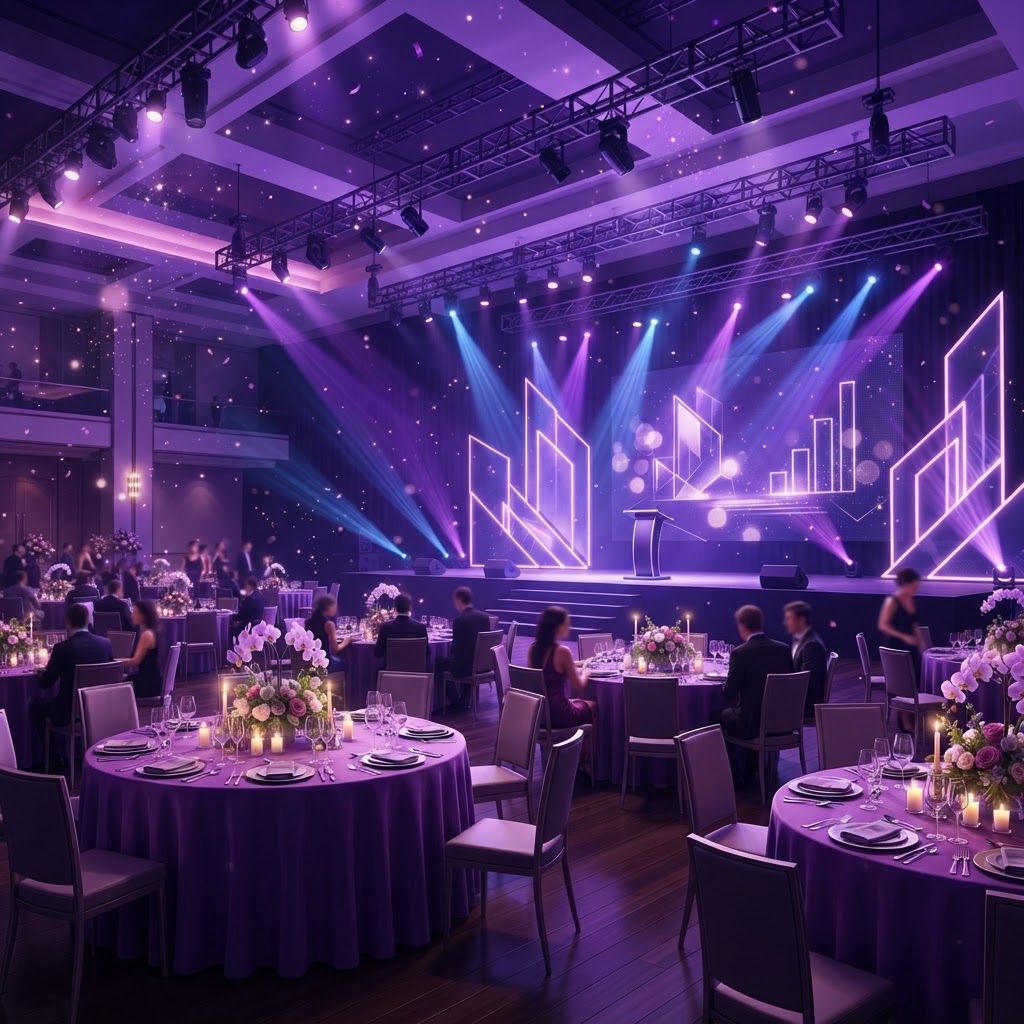
Valley Summit Productions focuses on technical production: staging, audio, lighting, video, and live streaming. Many other planners subcontract to companies like this one, and their equipment inventory and crew depth make them a practical partner for events where production quality is the point.
Tuolumne River Event Design emphasizes design and styling, from florals and tablescapes to lounge builds and installation pieces. Clients who arrive with a visual reference and want it executed precisely tend to end up here.
Central Valley Corporate Events serves business clients with meetings, incentive programs, holiday parties, and employee recognition events. Their scope includes venue sourcing, catering coordination, and the budgeting rigor corporate finance departments expect.
Harvest Table Hospitality operates at the intersection of catering and event management, building events around food with a farm-to-table emphasis that suits the region's identity. Their kitchen capability means fewer coordination seams on food-driven events.
Almond Grove Weddings is a boutique operation handling a limited number of weddings each year with full-service planning from engagement through breakdown. Couples who want a single accountable point of contact rather than a coordination team choose this model.
Modesto Nonprofit Event Partners concentrates on fundraising events: galas, auctions, golf tournaments, and donor cultivation programs. They understand that a nonprofit event is a revenue instrument, and they manage toward net proceeds rather than production value alone.
Sierra Valley Rentals & Coordination combines equipment rental with day-of coordination, serving clients who want to manage their own planning but need professional execution and inventory on the day itself. It is a cost-effective middle path between full service and do-it-yourself.
Trends in the Modesto Event Industry
Outdoor and agricultural venues continue to dominate demand, but expectations for comfort at those venues have risen sharply. Clients now assume climate mitigation, quality restroom facilities, reliable power, and proper lighting even in a field. Companies that treat these as design problems rather than afterthoughts produce noticeably better events.
Hybrid and streamed components have persisted well beyond their pandemic-era origin, particularly in corporate and association work. Grower conferences and industry meetings increasingly serve remote attendees, which changes staging, audio, and camera requirements from optional to fundamental.
Budget consciousness is the third defining trend. Clients are scrutinizing line items and asking planners to prioritize spending where guests actually notice it. Experienced companies respond by reallocating rather than simply reducing, concentrating budget on food, lighting, and comfort while trimming elements guests rarely register.
Sustainability has also moved from marketing language to operational practice, with local sourcing, reduced single-use materials, and donation of surplus food becoming standard requests rather than premium add-ons.
How to Choose an Event Management Company
Start with format experience. An event company's portfolio should include events structurally similar to yours in size, venue type, and complexity. Aesthetic similarity is less predictive than logistical similarity.
Second, examine venue familiarity. In a market defined by non-traditional venues, a company that has worked a specific site before knows where the power comes from, how vendor access works, and what the noise and end-time constraints are. That knowledge prevents expensive surprises.
Third, understand the contract structure. Clarify what is included, what is subcontracted, how change orders are priced, and who holds vendor relationships. Ambiguity in these areas is where event budgets fail.
Fourth, assess communication. Events involve hundreds of decisions across months. A company that responds clearly and documents decisions in writing will produce a calmer process and a better result than one that is talented but disorganized.
Planning Your Event in Modesto
Book early, especially for spring and autumn weekends, when the region's weather and harvest aesthetics create intense competition for both venues and vendors. Popular agricultural venues are frequently committed a year or more ahead.
Be realistic about weather. Modesto summers are genuinely hot, and an afternoon outdoor ceremony in July requires shade, hydration, and timing decisions that should shape the plan from the beginning rather than be patched in later.
Finally, define success before you start. A wedding, a grower conference, and a fundraising gala succeed on completely different terms. The companies above are capable across a wide range, but they perform best for clients who can articulate what the event needs to accomplish.