
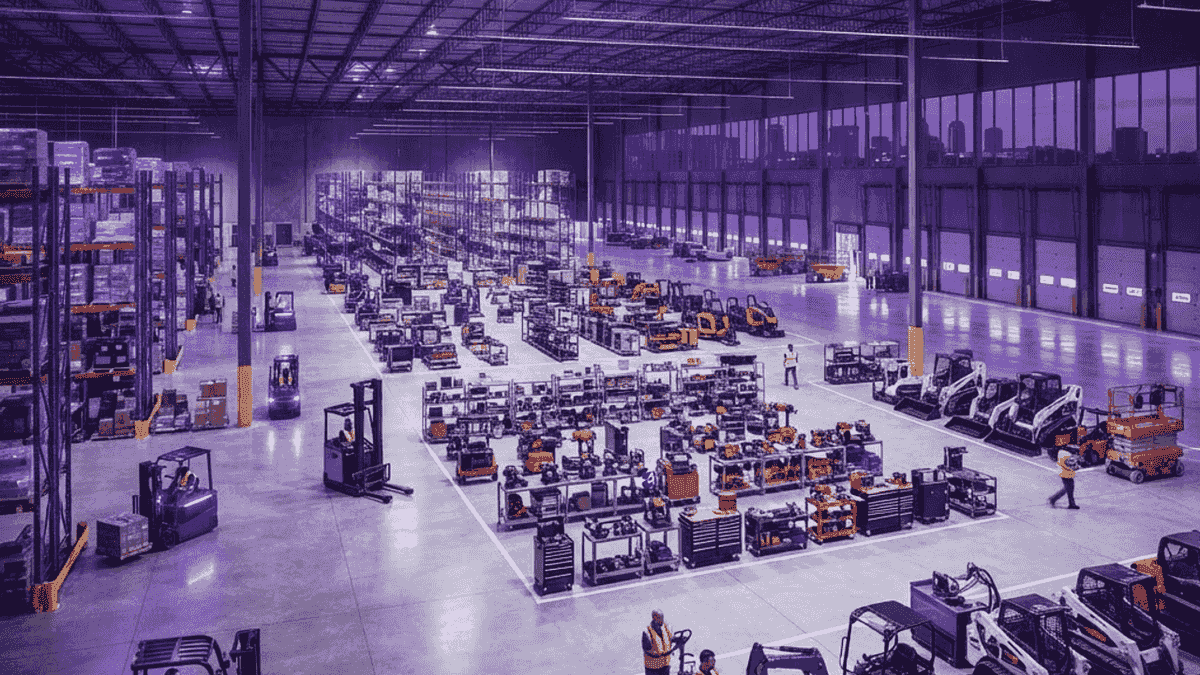
Equipment Supply in a Growing Louisville Economy
Louisville's diverse economy spans manufacturing, logistics, construction, and commercial services, all of which drive steady demand for equipment. Equipment wholesalers supply the machinery, power tools, and material-handling gear that keep these industries running. Thanks to the city's strong distribution networks and central location, wholesalers can maintain broad inventories and deliver quickly to job sites, warehouses, and facilities across the region.
Buyers range from contractors and facility managers to landscapers and warehouse operators. Each has distinct requirements, so the best wholesalers offer varied catalogs, flexible purchasing options, and dependable after-sale support. Reliability is paramount, because equipment downtime can stall entire operations and create expensive delays that ripple across a project or supply chain.
What Defines a Leading Equipment Wholesaler
The strongest equipment wholesalers pair inventory depth with genuine technical expertise. They understand the specifications and applications of the products they sell, helping buyers choose machinery suited to their tasks, workloads, and operating conditions. This guidance reduces costly mistakes and ensures that equipment performs as expected once it arrives on site.
Service continues long after the sale. Access to replacement parts, maintenance guidance, and warranty support distinguishes premium suppliers from basic sellers. Wholesalers that stand behind their products and respond quickly when problems arise build durable relationships with professional customers who value uptime above all.
Leading Equipment Wholesalers in Louisville
Bluegrass Equipment Distributors is a well-established supplier offering construction, material-handling, and industrial equipment with strong technical support.
Derby City Machinery Wholesale serves contractors and facility operators with a broad catalog of tools and compact machinery.
Falls City Industrial Supply focuses on warehouse and logistics equipment, including forklifts and handling systems.
Ohio Valley Equipment Traders offers a versatile inventory that suits both small crews and larger operations.
River City Tool & Equipment is valued for its range of power tools and dependable restocking.
Kentuckiana Machinery Supply provides construction and landscaping equipment with competitive pricing.
Highland Industrial Wholesale specializes in heavy-duty machinery for manufacturing and industrial clients.
Metro Louisville Equipment Depot combines broad stock with efficient delivery logistics.
Cardinal Equipment Distribution emphasizes fast-moving tools and consistent availability of essentials.
Ohio River Material Handling rounds out the list with a focus on warehouse handling and logistics equipment.
Trends Shaping the Equipment Market
Automation and efficiency are transforming how businesses select equipment. Demand is rising for machinery that improves productivity, reduces labor strain, and integrates with modern workflows. Wholesalers that stock advanced, efficient equipment help their customers stay competitive in tight labor markets and cost-conscious environments.
Sustainability and energy efficiency are also influencing purchases, with buyers increasingly interested in equipment that lowers fuel or power consumption. Meanwhile, the ability to source parts and service quickly has become a decisive factor, since even the best machinery is only valuable when it stays operational. Louisville wholesalers that support the full lifecycle of their products earn the strongest reputations.
How to Choose the Right Equipment Wholesaler
Buyers should evaluate equipment wholesalers on product quality, technical expertise, parts availability, and service responsiveness. Matching machinery to the intended workload is critical, and a knowledgeable supplier can prevent expensive over- or under-buying. It is also wise to confirm that spare parts and maintenance support will be readily available throughout the equipment's life.
Total cost of ownership matters more than sticker price. Durable equipment backed by strong service often proves far more economical than a cheaper alternative that fails prematurely or sits idle awaiting repairs. Building a relationship with a reliable wholesaler ensures priority support and better terms as a business grows.
Planning a Successful Louisville Supplier Relationship
Before committing to any of these equipment wholesalers, create a written list of must-have specifications, estimated monthly volume, acceptable lead times, and budget limits. This turns an introductory conversation into a useful business discussion and makes competing quotes easier to compare. Louisville buyers should also ask how delivery schedules change during severe weather, holiday peaks, major local events, or seasonal demand. A supplier with a realistic contingency plan can be more valuable than one offering the lowest initial quote.
Request clear details about minimum orders, payment terms, damaged-goods procedures, warranties, and any charges that may not appear in the unit price. Freight, handling, rush service, and restocking costs can materially change the final value of an order. When possible, inspect samples or place a controlled first order before shifting a large share of purchasing. Track accuracy, condition, timeliness, and communication so the decision rests on measurable performance rather than promises.
Why Local and Regional Sourcing Matters
Working with suppliers serving Louisville can shorten replenishment cycles and make problem solving more direct. Local knowledge is particularly useful when demand is affected by the city's hospitality calendar, construction activity, school schedules, manufacturing cycles, and the needs of businesses on both sides of the Ohio River. Regional sourcing can also reduce freight exposure and make smaller, more frequent orders practical, helping buyers carry less excess inventory.
That does not mean location should outweigh quality or value. The strongest purchasing strategy compares total landed cost, dependable availability, service, and product suitability. Many businesses benefit from naming one primary supplier and maintaining a qualified secondary source for critical items. Regular performance reviews, honest forecasts, and prompt communication help both parties plan capacity and resolve issues before they disrupt customers.
Final Thoughts
Louisville's equipment wholesalers supply the machinery and tools that power construction, logistics, and industry across the region. The companies featured here stand out for their inventory, expertise, and support, but the right partner depends on each buyer's specific applications and volume. By selecting carefully and investing in dependable supplier relationships, businesses can maximize uptime, productivity, and long-term value.