
Understanding Nashville's Fish and Seafood Market
Nashville is inland, so its fishery economy is built around cold-chain logistics, freshwater aquaculture, regional processors, and distributors capable of moving seafood quickly. Restaurants, grocers, institutions, and specialty markets need reliable temperature control and accurate species information. This list covers businesses that produce, process, or distribute fish to Tennessee customers rather than only companies physically headquartered within the city.
1. Inland Seafood
Inland Seafood is a major regional distributor serving hospitality and foodservice customers. Its assortment extends across fresh and frozen seafood and related specialty products. Nashville chefs can value a distributor that combines selection with disciplined receiving, storage, and delivery.
2. Sysco Nashville
Sysco's Nashville operation supplies restaurants and institutions with seafood alongside broad foodservice categories. Consolidated delivery can reduce receiving complexity for high-volume kitchens. Buyers should work with representatives to understand pack formats, origin, certifications, and seasonal substitutions.
3. US Foods
US Foods serves Nashville-area foodservice operators with frozen and fresh seafood options. Its scale supports menu planning, portion-controlled products, and predictable distribution. Culinary and operational resources may help restaurants balance quality, labor, and food cost.
4. Performance Foodservice
Performance Foodservice distributes seafood and other products to independent restaurants and institutional kitchens. A broad network and account support are useful when businesses require frequent deliveries. Clear specifications help ensure consistent size, trim, glaze, and pack weight.
5. Gordon Food Service
Gordon Food Service supports restaurants, caterers, and institutions with seafood and foodservice supplies. Its distribution model offers both routine ordering and accessible purchasing formats. Operators can compare value-added products that reduce preparation labor with whole or minimally processed fish.
6. Aloha Seafood
Aloha Seafood is recognized in Tennessee's seafood distribution market for supplying restaurants and culinary professionals. Specialty distributors can distinguish themselves through species knowledge, chef relationships, and responsiveness to seasonal availability. Buyers should confirm delivery coverage and ordering schedules.
7. Kelley's Catch
Kelley's Catch is a Tennessee aquaculture producer associated with farm-raised catfish. Regional production can shorten the chain between pond and plate while supporting a familiar Southern menu staple. Consistent feed, water quality, harvesting, and processing practices are central to dependable catfish.
8. Southern Pride Catfish
Southern Pride Catfish is a prominent Southeastern catfish processor whose products can reach Tennessee foodservice and retail channels. Processed formats offer kitchens consistency and easier portion management. Domestic catfish also provides an origin story that many Southern diners recognize.
9. Blue Ridge Aquaculture
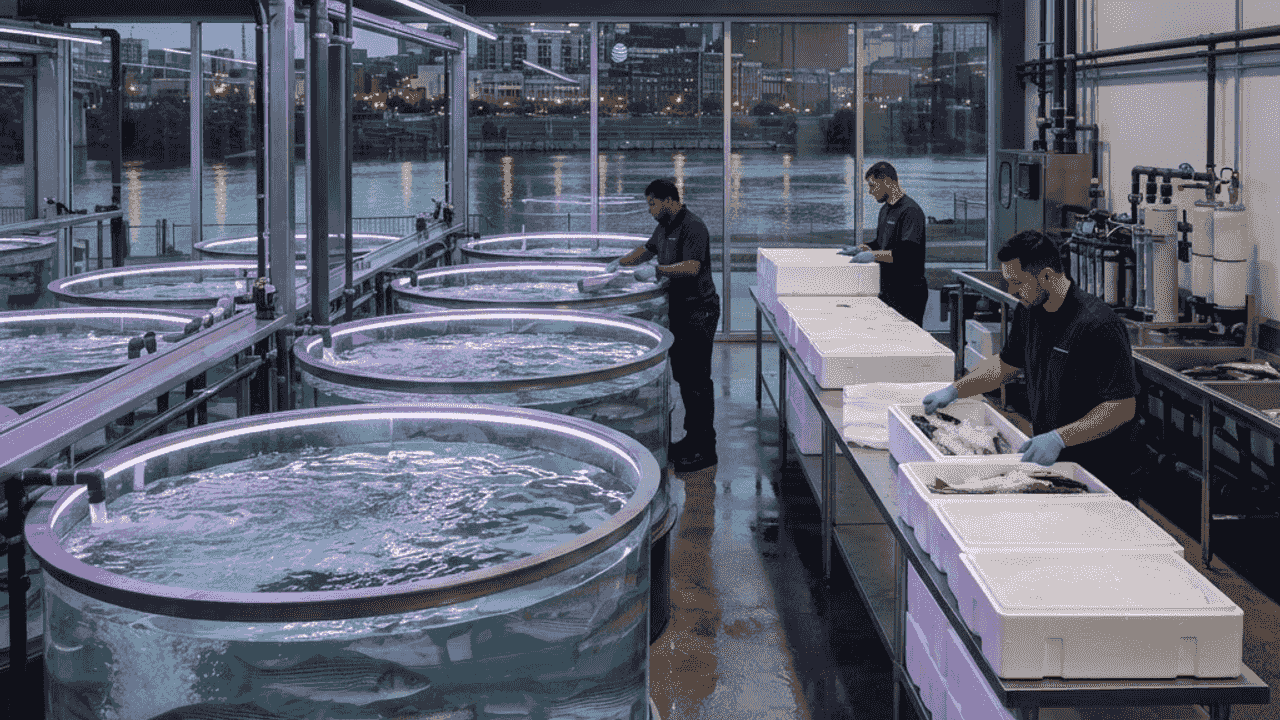
Blue Ridge Aquaculture is a large indoor aquaculture producer in the broader region, known for controlled production systems. Indoor recirculating systems can offer stable conditions, biosecurity, and reduced exposure to seasonal weather. This model shows how technology is changing inland fish production.
10. Seattle Fish Company
Seattle Fish Company distributes seafood across inland markets through sophisticated logistics and sourcing relationships. Broad species access can help Nashville chefs create differentiated menus. As with any distant source, receiving inspection and traceability documentation are important.
How Buyers Should Assess a Supplier
Ask for harvest or pack dates, origin, production method, temperature records, and species identity. Fresh fish should arrive at safe temperatures with clean aroma, firm flesh, and intact packaging. Frozen products should show minimal dehydration and no evidence of thawing. Buyers should also compare usable yield rather than price per pound because trimming, bones, glaze, and portion variation affect actual plate cost.
Sustainability and Market Trends
Responsible seafood purchasing requires nuance. Certifications can be useful, but buyers should also consider fishery management, farming inputs, bycatch, habitat effects, and transportation. Nashville demand is expanding beyond familiar salmon, shrimp, and catfish toward underused species and convenient value-added portions. Strong distributors educate customers, communicate substitutions honestly, and protect the cold chain from source to kitchen.