
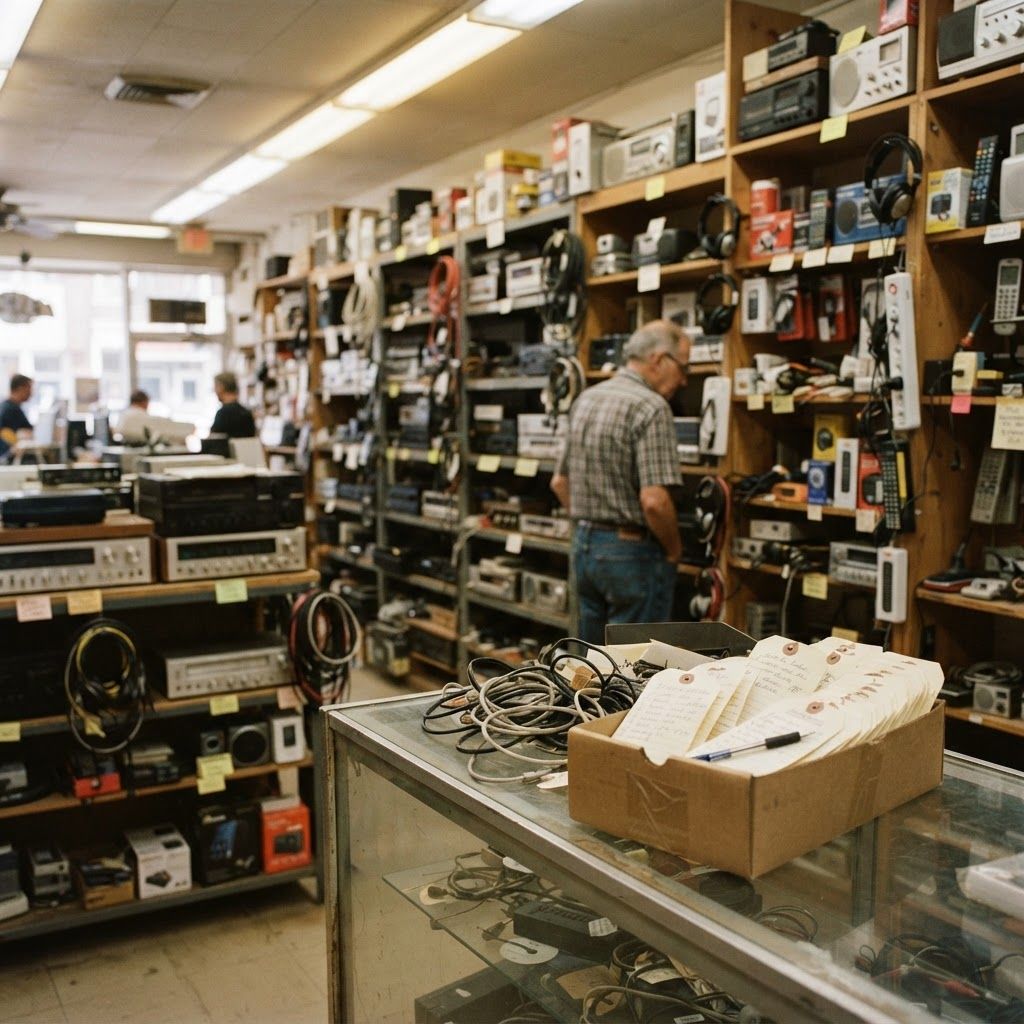
The Electronics Retail Landscape in Buffalo
Buffalo's electronics market has evolved considerably as national chains consolidated and specialty retail found new footing. What remains is a useful mix: large-format stores for immediate availability of mainstream products, specialty dealers for audio, video and photography, independent repair shops that keep existing devices running, and component suppliers serving makers, students and industrial customers. Understanding which type of store solves which problem saves both money and time.
The region's climate and housing stock also shape demand. Older homes with plaster walls and limited wiring pathways make professional installation valuable for home theater and networking projects. Long indoor winters drive strong interest in home entertainment, home office equipment and smart climate control. A significant student population across local colleges and universities keeps laptop, tablet and accessory demand steady, along with a healthy secondhand market.
Categories of Electronics Retail
Big-box retail wins on immediacy, price competition on mainstream models and easy returns. Specialty dealers win on expertise, demonstration facilities, calibration and installation. Repair specialists win on cost, since a screen or battery replacement is a fraction of replacement cost. Component suppliers win on parts availability for prototyping and industrial maintenance. Secondhand and refurbished sellers win on value, particularly for devices where the newest generation offers marginal improvement.
Where to Shop for Electronics in Buffalo
1. Best Buy remains the primary large-format option, with wide inventory across computing, televisions, appliances and mobile devices, plus in-store technical support and installation scheduling. It is the practical choice when a product is needed the same day.
2. Queen City Audio and Video serves the specialty home theater market with listening rooms, calibrated demonstrations and professional installation. Buyers investing seriously in sound quality benefit far more from an audition than from specification comparison.
3. Buffalo Computer Repair Co. handles laptop and desktop diagnostics, screen and battery replacement, data recovery and virus removal. For devices two to five years old, repair typically delivers better value than replacement, especially on machines with upgradeable storage and memory.
4. Elmwood Electronics Supply stocks components, connectors, cabling, tools and prototyping supplies. Makers, students working on engineering coursework and facilities technicians rely on stores like this because the parts are rarely worth waiting for by mail.
5. Northtowns Camera and Imaging covers photography and video with camera bodies, lenses, lighting, gimbals and rental programs. Rental access is particularly valuable, allowing users to test expensive glass before committing or to equip a single project affordably.
6. Lake Effect Gaming Tech focuses on PC gaming, offering custom builds, component upgrades, peripherals and console repair. Local build services provide component-level warranty clarity and easier future upgrades than sealed prebuilt systems.
7. Larkinville Smart Home Solutions specializes in networking, whole-home audio, lighting control, security cameras and structured wiring. In Buffalo's older housing stock, professional network design solves persistent wireless dead zones that consumer mesh kits often cannot.
8. Allentown Vintage Audio serves the analog market with turntables, receivers, vintage speakers and restoration services. The renewed interest in vinyl and classic amplification has made refurbishment expertise genuinely scarce and valuable.
9. Buffalo Mobile Device Center handles phone and tablet repair including screens, batteries, charging ports and water damage remediation, along with certified refurbished sales. Same-day turnaround on common repairs is the main draw.
10. Western New York Refurbished Tech closes the list as a value-focused seller of tested, warrantied off-lease business laptops and desktops. For students, nonprofits and small offices, enterprise-grade refurbished hardware often outperforms new consumer models at the same price.
Trends Worth Knowing
Repair has gained real momentum, supported by wider parts availability and growing consumer resistance to disposable electronics. Refurbished enterprise hardware has become a mainstream purchase rather than a compromise. Home networking has moved from an afterthought to the foundation of any smart home or remote work setup, and demand for professionally installed wired backhaul has grown accordingly. On the display side, panel technology differences now matter more than screen size, and demonstration in person remains the only reliable way to judge them. Energy efficiency has also entered purchasing decisions, driven by both cost and heating and cooling considerations.
How to Shop Smart
Decide first whether you need advice, immediacy or price. If the purchase involves installation, acoustics, calibration or networking design, pay for expertise, because a poorly installed high-end system underperforms a well-installed modest one. If the product is a known commodity, compare price and return policy.
Before replacing a device, get a repair quote, particularly for laptops where a battery, storage upgrade or thermal cleaning can restore most of the original experience. Confirm warranty terms in writing, including whether refurbished purchases carry parts-and-labor coverage and for how long. Ask about restocking fees before buying anything you might return. For components and cabling, buy slightly more capability than you currently need, since installation labor dwarfs the material cost difference. Finally, back up data before any repair, and confirm the shop's data-handling policy.
Final Thoughts
Buffalo offers a more complete electronics ecosystem than its size suggests, spanning big-box convenience, specialist audio and imaging expertise, capable repair shops, component supply and strong refurbished value. Matching the store type to the actual need is what produces good outcomes: expertise where complexity exists, price competition where it does not, and repair before replacement wherever the math supports it.