
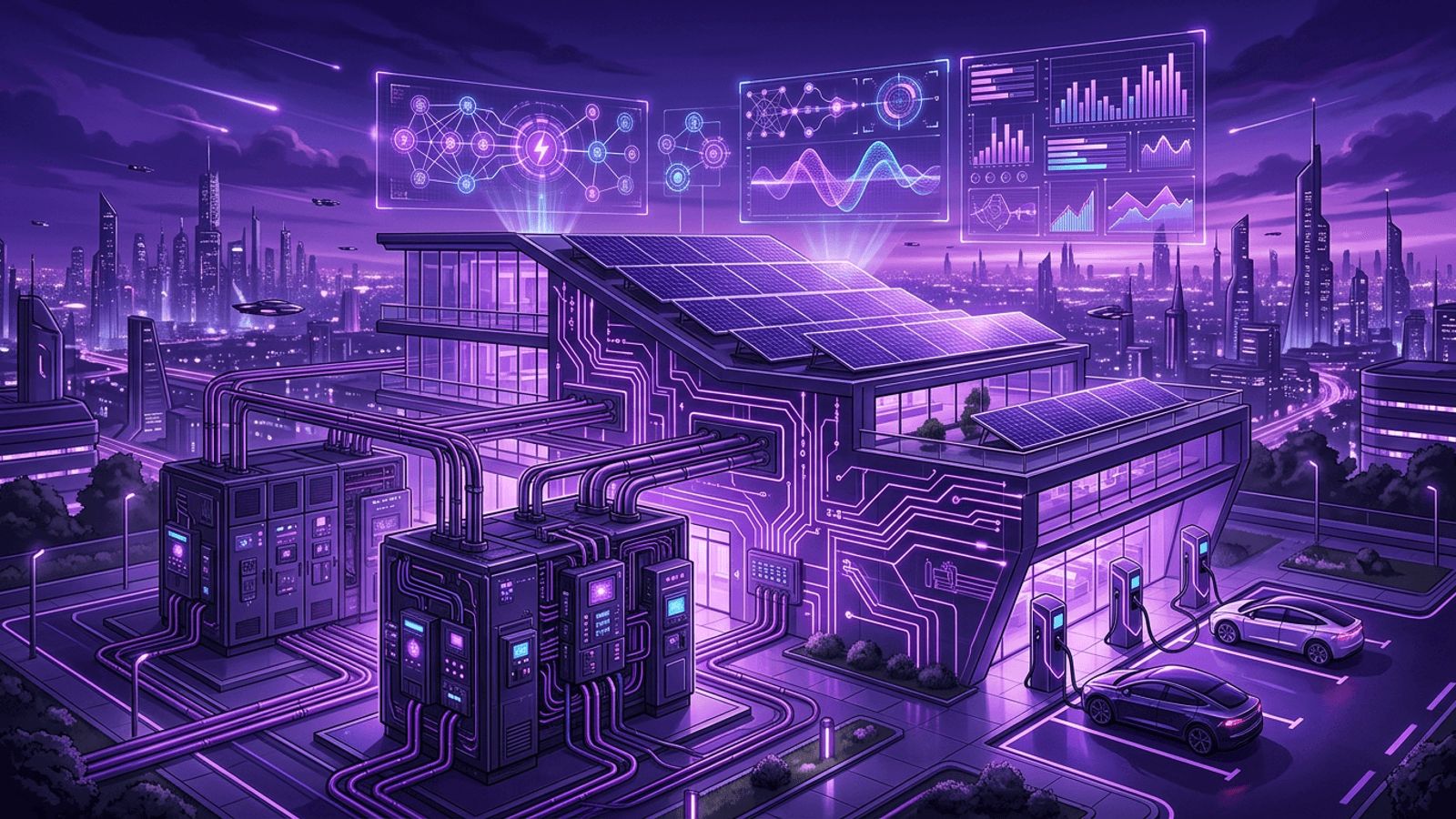
Electrical Contracting in a Growing Region
Central New York is entering an era of rapid electrical demand. Advanced manufacturing projects, data infrastructure, electric vehicle charging, heat pump adoption, and renewable energy installations all require skilled electrical contractors. New York State's ambitious climate goals are accelerating the shift away from fossil fuels, placing electricians at the forefront of the energy transition.
Electrical contractors design, install, and maintain power distribution, lighting, fire alarms, low-voltage systems, and controls. Choosing the right contractor is essential for safety, reliability, and code compliance.
Types of Electrical Contractors
Commercial and industrial contractors handle large projects such as hospitals, factories, and office buildings. Residential contractors focus on homes, including panel upgrades and remodels. Specialty contractors focus on solar, EV charging, data cabling, or utility line work.
The Top 10 Electrical Contractors in Syracuse
1. O'Connell Electric Company
O'Connell Electric is one of upstate New York's largest electrical contractors, with a strong Syracuse presence. Its capabilities include commercial, industrial, utility, and technology systems for major institutional and private clients.
2. Schuler-Haas Electric
Schuler-Haas Electric delivers electrical construction and service for commercial, industrial, and institutional facilities, known for skilled union workforce and dependable project delivery.
3. Kasselman Electric
Kasselman Electric serves New York State with commercial and industrial electrical services, including power distribution, lighting, and fire alarm systems.
4. Mr. Electric
Mr. Electric provides residential and light commercial service, including troubleshooting, panel upgrades, lighting, and surge protection, backed by upfront pricing.
5. Solar Installation Contractors
Syracuse-area solar installers design rooftop and ground-mounted systems for homes and businesses, helping clients take advantage of NY-Sun incentives and federal tax credits.
6. EV Charging Specialists
EV charging specialists install home and commercial chargers, perform load calculations, and coordinate utility upgrades as electric vehicle adoption grows in Central New York.
7. Industrial Controls and Automation Firms
Controls integrators program PLCs, motor controls, and automation systems for manufacturers, supporting productivity across the region's industrial base.
8. Low-Voltage and Data Cabling Contractors
Data cabling contractors install structured cabling, fiber optics, security systems, and wireless infrastructure for offices, schools, and healthcare facilities.
9. Fire Alarm and Life Safety Contractors
Life safety specialists design, install, inspect, and maintain fire alarm systems that comply with New York codes and protect occupants.
10. Utility and Line Work Contractors
Line contractors support utilities such as National Grid with distribution upgrades, storm restoration, and infrastructure expansion, a vital service during severe weather.
Electrical Industry Trends
Electrification is the defining trend. Buildings are converting to all-electric heating and cooking, while EV charging stations appear in homes, workplaces, and public spaces. Battery storage paired with solar is gaining traction for resilience. Smart building systems connect lighting, HVAC, and security for energy savings. Workforce development is also critical, with apprenticeship programs expanding to meet demand driven by major regional investments.
How to Choose an Electrical Contractor
Confirm licensing with the appropriate local authority, along with insurance and safety records. Evaluate experience with similar projects and ask about design-build capabilities. For residential work, ask whether the contractor handles permits and inspections. For commercial projects, consider bonding capacity, workforce size, and prefabrication capabilities that can speed installation.
Frequently Asked Questions About Electrical Work
Do I need a panel upgrade for a heat pump or EV charger?
Many older homes have 60 or 100 amp service, which may not support additional large loads. An electrician will perform a load calculation to determine whether your existing panel is sufficient. In some cases, smart load management devices can avoid a full service upgrade, saving money while still supporting new equipment.
How long does a commercial electrical project take?
Timelines depend on scope, equipment lead times, and coordination with utilities. Switchgear and transformers can have long procurement times, so early planning is essential. Experienced contractors order critical equipment early and use prefabrication to keep projects on schedule.
Are union and non-union electrical contractors different?
Both can deliver high-quality work. Union contractors draw from apprenticeship programs administered by organizations such as the International Brotherhood of Electrical Workers, and they are often required on public and large institutional projects. Non-union contractors also offer trained, licensed electricians. Evaluate each firm based on experience, safety, and references.
Safety and Code Compliance
Electrical work must comply with the National Electrical Code as adopted in New York State, along with local requirements. Proper grounding, arc-fault and ground-fault protection, and correct wire sizing protect occupants from shock and fire. Hiring a qualified contractor ensures work passes inspection and keeps people safe.
Preparing for Severe Weather
Central New York winter storms and summer thunderstorms can cause outages. Standby generators, battery backup systems, and surge protection help homes and businesses stay powered and protect sensitive electronics. Electrical contractors can size and install systems that automatically restore power when the grid goes down.
Final Thoughts
Electrical contractors are powering Syracuse's future. Whether you are building a factory, upgrading an office, or electrifying your home, partnering with a qualified contractor ensures your project is safe, efficient, and ready for tomorrow's energy needs.