
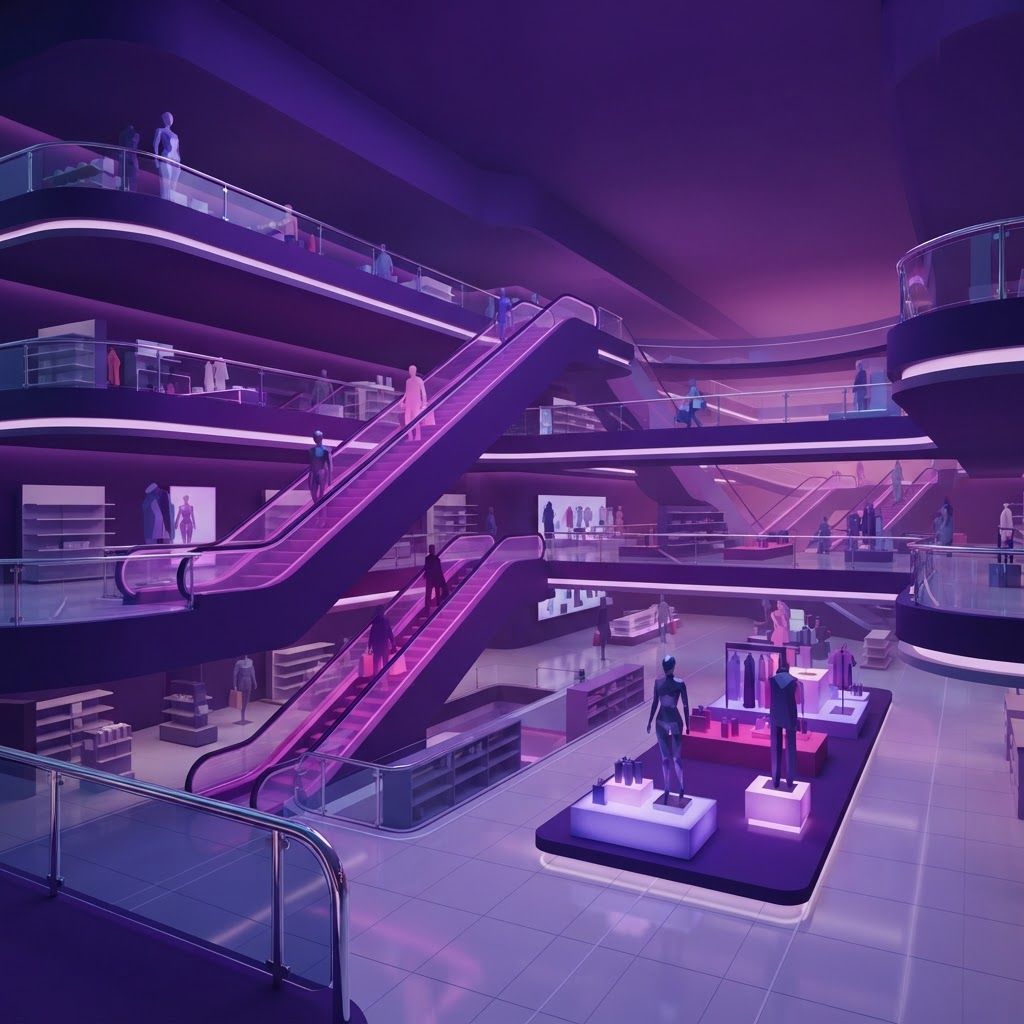
The Enduring Role of Department Stores in Spokane
National headlines have spent a decade declaring the department store obsolete, yet in Spokane the format remains stubbornly relevant. The reason is practical geography. As the commercial hub of the Inland Northwest, Spokane serves a trade area extending well into North Idaho, eastern Washington, and parts of Montana. For shoppers driving an hour or more, a single store carrying apparel for the whole family, cosmetics, footwear, home textiles, and small appliances is not nostalgia, it is efficiency.
What has changed is how these stores operate. Buy-online-pickup-in-store has become a primary traffic driver. Beauty counters have been reconfigured into open-sell environments. Off-price and outlet formats have taken share from traditional full-line stores. The result is a more varied department store landscape than Spokane had fifteen years ago, not a diminished one.
What Makes a Department Store Worth the Trip
Assortment breadth is the baseline requirement, but depth within categories is what distinguishes a strong store. A well-run department store carries a genuine size range, keeps core basics in stock year-round rather than only during promotional events, and maintains fitting rooms and service counters that are actually staffed.
Return policy generosity matters more than most shoppers admit, particularly for gift purchases and online orders. Loyalty program value, credit card rewards, and price adjustment policies compound over a year of family shopping. And for many Spokane customers, the availability of alterations, personal styling, and registry services is the deciding factor between two otherwise similar retailers.
The Ten Best Department Store Options in Spokane
Macy's anchors the traditional full-line segment locally, with strength in women's and men's apparel, handbags, fine jewelry, housewares, and one of the more complete fragrance and cosmetics assortments in the region. Its frequent promotional calendar rewards shoppers who time purchases, and its loyalty tiers add meaningful value for regular customers.
Nordstrom Rack delivers the Nordstrom brand experience in an off-price format, which suits the Spokane market particularly well. Designer denim, contemporary labels, shoes, and beauty at reduced pricing arrive in constantly rotating inventory, rewarding frequent visits over planned ones.
JCPenney holds a distinct position as a family-focused, value-oriented full-line store. Its bedding, window treatments, and children's apparel departments are among the more complete in the market, and its in-store salon and portrait services extend the visit beyond merchandise.
Kohl's competes effectively on convenience and rewards structure. Multiple Spokane-area locations, a well-developed rewards and coupon ecosystem, and its returns partnership program make it a high-frequency destination for activewear, denim, and home goods.
Target functions as a modern general merchandise department store in practice, if not in classification. Its owned apparel and home brands have improved substantially, its grocery and household sections consolidate errands, and its fulfillment options are among the fastest locally.
Walmart Supercenter serves the price-leadership end of the spectrum with unmatched breadth, from apparel and electronics to full grocery and automotive services. For large-basket family shopping, its efficiency is difficult to argue with.
Ross Dress for Less operates on the treasure-hunt model, with closeout apparel, footwear, and home decor at deep discounts. Inventory is unpredictable by design, which is precisely the appeal for shoppers who enjoy the search.
T.J. Maxx and HomeGoods together cover off-price apparel and home furnishings with a stronger design sensibility than most discounters, making them reliable stops for decor, kitchenware, and gifting.
Burlington rounds out the off-price group with particular strength in outerwear and coats, a genuinely useful specialty in a city with real winters, along with baby gear and family footwear.
Dillard's and regional department store outlets complete the picture for shoppers willing to combine local trips with occasional regional travel, offering brand assortments that complement rather than duplicate what is available locally.
How Spokane Shopping Centers Shape the Experience
Location context matters. NorthTown Mall and River Park Square serve as the primary enclosed and urban retail anchors respectively, each pairing department store traffic with specialty tenants and dining. Spokane Valley Mall extends the same model eastward, capturing Valley and North Idaho traffic. Neighborhood power centers along Division Street and in the Valley concentrate the off-price formats where parking and quick access matter most.
Understanding this geography helps shoppers plan efficiently. A single afternoon can reasonably cover two or three department stores plus specialty retail without crossing the city twice, which is a genuine advantage of Spokane's relatively compact commercial layout.
Trends Reshaping the Category
Three shifts stand out. First, omnichannel fulfillment has become the norm, with curbside pickup and same-day options now expected rather than novel. Second, beauty and fragrance have grown into anchor categories in their own right, with department stores competing directly against specialty beauty retailers on service and sampling. Third, size inclusivity and adaptive apparel have moved from niche to mainstream assortment planning, a change that has measurably improved the shopping experience for many families.
Practical Advice for Spokane Shoppers
Sign up for loyalty programs before making a large purchase rather than after. Learn each retailer's promotional rhythm, since department store pricing is deliberately cyclical. Use online inventory checks before driving across town, as accuracy has improved dramatically. And for significant purchases like suiting, outerwear, or bedding, ask about alterations, warranties, and price adjustment windows directly at the counter.
Final Thoughts
Spokane's department store landscape is best understood as a portfolio rather than a hierarchy. Full-line stores serve service and selection needs, off-price formats serve value and discovery, and mass merchants serve efficiency. Shoppers who use all three strategically get the best of a market that continues to serve the Inland Northwest far more capably than national retail narratives would suggest.