
Why Clinic Choice Matters More Than Hospital Choice
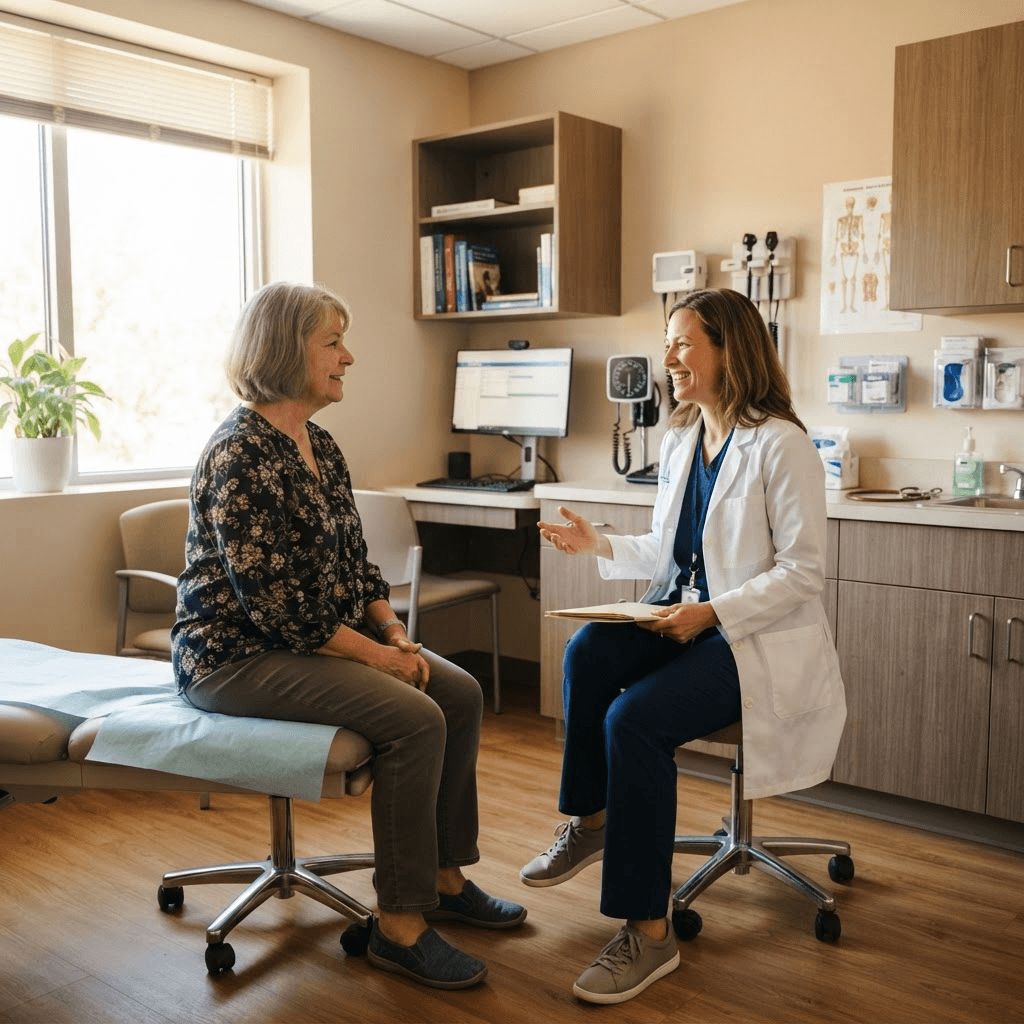
Most people interact with the healthcare system through clinics rather than hospitals. Annual physicals, chronic disease management, vaccinations, minor procedures, mental health visits, and specialty consultations all happen in outpatient settings. The quality of that relationship determines whether health problems are caught early or discovered late, and it shapes cost far more than most patients realize.
St. Louis is well served in this respect. Large health systems operate extensive clinic networks, two academic centers run faculty practices with subspecialty access, federally qualified health centers cover uninsured and underinsured residents, and a growing number of independent and direct primary care practices offer alternatives to conventional insurance-driven models.
The Top 10 Clinics in St. Louis
1. Washington University Physicians clinics. Faculty practice locations across the metro area provide access to academic subspecialists for complex conditions, including rare disease evaluation and multidisciplinary care coordination. For diagnostic puzzles, this network is the strongest regional option.
2. SLUCare Physician Group. The academic practice affiliated with the region's second medical school, offering primary care alongside deep specialty coverage in areas such as liver disease, neurology, and geriatrics.
3. Mercy Clinic locations. A large integrated network with widely distributed primary care and specialty offices, notable for coordinated electronic records and a mature patient portal that makes referrals and results straightforward.
4. BJC Medical Group. Extensive primary care coverage across the city, county, and St. Charles, with same-day availability at many sites and clear pathways into the affiliated hospital system when higher-level care is needed.
5. SSM Health Medical Group. Strong suburban and metro east presence, with well-developed family medicine, pediatrics, and women's health services and convenient urgent care integration.
6. Affinia Healthcare. A federally qualified health center serving north and south city with medical, dental, behavioral health, and pharmacy services on a sliding fee scale. It is among the most important safety net providers in the region.
7. CareSTL Health. Another federally qualified center providing comprehensive primary care, pediatrics, and behavioral health with a focus on underserved neighborhoods and on reducing barriers such as transportation and language.
8. Casa de Salud. A clinic providing accessible care to immigrant and uninsured patients, with interpretation services and a mental health collaborative that addresses needs mainstream clinics often miss.
9. Esse Health. One of the largest independent physician groups in the region, known for continuity of care and a value-based approach that emphasizes prevention and chronic condition management.
10. Direct primary care and concierge practices. A growing number of small practices in Clayton, Kirkwood, and the county charge a monthly membership for extended visits, direct physician messaging, and same-day access. For patients who value time with a doctor, the model is compelling.
Understanding the Different Clinic Models
Health system clinics offer the advantage of integration. Records, referrals, imaging, and hospital care connect within one system, which reduces duplicated tests and lost information. The tradeoff can be shorter appointment slots and less scheduling flexibility.
Academic faculty practices provide access to physicians who focus on narrow areas and often participate in research. This is invaluable for uncommon conditions but can be less convenient for routine care, and wait times for new patient appointments are typically longer.
Federally qualified health centers combine medical, dental, and behavioral care with financial assistance based on income. They serve an essential role and frequently offer services such as care coordination and enrollment assistance that private practices do not.
Direct primary care removes insurance from the primary care relationship in exchange for a membership fee. Patients still need insurance for hospital care and specialists, but they gain longer visits and easier access. Independent groups sit between these models, offering continuity with a smaller organizational footprint.
How to Choose Your Primary Care Home
Start with logistics, because convenience determines whether you actually go. Consider distance from home or work, parking, evening or weekend availability, and whether the clinic offers virtual visits for simple follow-ups.
Ask how quickly a new patient can be seen and how quickly an established patient with an acute problem can be seen. A practice with a six-week wait for urgent concerns will push you toward urgent care repeatedly, which fragments your records.
Confirm insurance participation directly with the clinic, not only the insurer's online directory, which is frequently outdated. Ask which laboratory and imaging facilities the clinic uses and whether those are also in network, since a covered visit with an out-of-network lab still produces a bill.
Evaluate communication. Does the clinic use a portal where you can see results, request refills, and message the care team? Are messages answered by your physician or a nurse, and within what time frame? For managing a chronic condition, this responsiveness matters more than almost anything else.
Finally, meet the clinician if possible before committing to complex care. A single visit reveals whether they explain clearly, listen fully, and involve you in decisions. That fit is not a soft consideration; patients who trust their physician follow treatment plans more reliably.
Trends Improving Access
Behavioral health integration is the most encouraging local development, with more primary care clinics embedding therapists and psychiatric consultation directly into practices. That arrangement dramatically shortens the path from recognizing a problem to receiving help.
Extended hours and retail-adjacent clinics have expanded access for working families, while telehealth has become routine for medication management and follow-up. Pharmacist-led services for blood pressure, diabetes, and immunization have also grown, adding capacity to a stretched primary care workforce.
For St. Louis residents, the practical guidance is to establish a relationship before you need it. Selecting a clinic during good health, completing an initial visit, and getting into the system makes every subsequent problem easier and cheaper to address.