
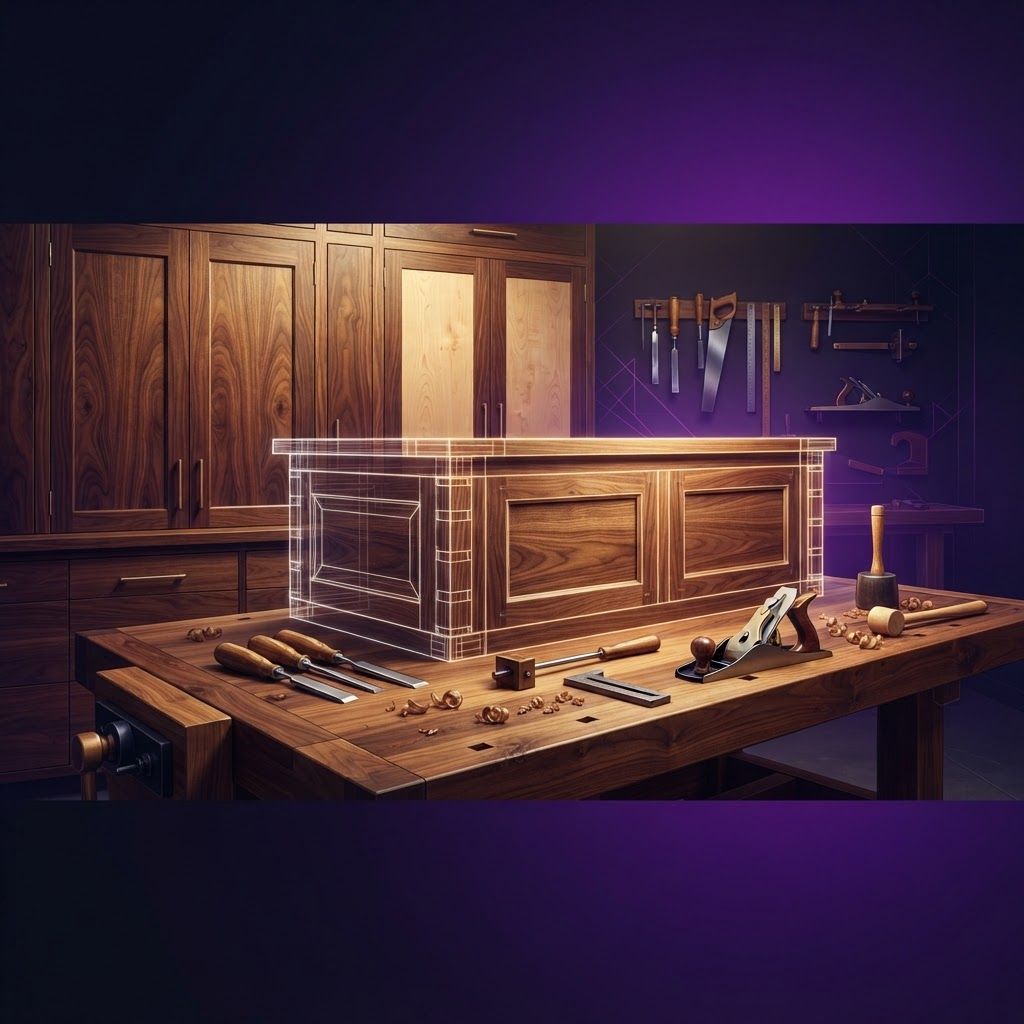
The Role of Carpentry in Desert Homes
Carpentry occupies an interesting position in Arizona construction. Much of the visible structure in local homes is masonry, stucco and tile, yet wood remains essential to framing, roof structures, cabinetry, doors, trim, shade structures and the built-in details that give interiors character. The trade spans rough carpentry that disappears behind finishes and finish carpentry that defines how a room feels.
Desert conditions impose specific demands. Extremely low humidity causes wood to release moisture and shrink, opening joints and creating gaps in poorly constructed work. Sudden monsoon humidity swings the other direction. Direct sun degrades exterior wood rapidly. Skilled local carpenters account for this movement through material selection, joinery technique and finish choices rather than fighting it.
The Main Categories of Carpentry Work
Rough carpentry covers structural framing for new construction, additions, interior remodels and roof structures. It requires precision in layout and adherence to engineered plans, particularly for shear walls and load-bearing modifications.
Finish carpentry encompasses baseboards, casings, crown molding, wainscoting, coffered ceilings, stair components and door installation. This is where craftsmanship becomes visible, and the difference between adequate and excellent work is obvious in the joints.
Custom cabinetry and millwork produces kitchen cabinets, bathroom vanities, entertainment centers, home office built-ins, closet systems and libraries. Custom work allows dimensions and configurations impossible with stock cabinetry, and local shops can match existing finishes in renovation projects.
Exterior carpentry includes patio covers, pergolas, shade structures, gates, fencing and decks. In Arizona, shade is a functional necessity, and well-built exterior structures substantially extend usable outdoor living time.
Specialty carpentry covers furniture building, architectural details, live edge slabs, timber framing and restoration of older woodwork.
Leading Carpentry Providers Serving Surprise
Custom cabinet shops operating in the West Valley design, build and install cabinetry to exact specifications. Their advantage over stock and semi-custom options is the ability to accommodate unusual dimensions, integrate appliances precisely and produce finishes that match existing elements in a home.
Finish carpentry specialists focus on trim, doors and molding, often working as subcontractors to remodeling firms as well as directly for homeowners. Their work transforms plain builder interiors into rooms with architectural presence.
Framing contractors serve homebuilders and remodelers throughout Surprise, handling structural work at production speed while maintaining the accuracy that subsequent trades depend upon.
Built-in and closet specialists design storage solutions for pantries, garages, home offices and bedrooms, an increasingly popular category as homeowners seek to maximize function in existing square footage.
Patio cover and shade structure builders construct alumawood, timber and hybrid structures suited to desert conditions, engineered for wind loads and finished to resist ultraviolet degradation.
Deck and outdoor living contractors build elevated decks, seating areas and privacy screens, often combining wood with composite materials that tolerate sun exposure with less maintenance.
Door and window installation specialists handle entry doors, interior doors, barn doors and specialty openings where proper shimming, sealing and hardware alignment determine long-term performance.
Furniture makers and woodworking studios in the area produce dining tables, headboards and custom pieces, serving clients who want individual work rather than mass-produced furniture.
Restoration carpenters repair and replicate older woodwork, valuable for the region's mid-century properties and for matching details during additions.
General handyman carpentry services complete the market, handling repairs, shelving, small installations and the numerous modest projects that fall below a specialist's minimum.
Material Choices That Perform in Arizona
Material selection matters more here than in temperate climates. For exterior applications, naturally durable species such as cedar and redwood resist decay and insects, while pressure-treated lumber suits ground contact and structural exposure. Composite and aluminum alternatives eliminate maintenance entirely for shade structures, which many homeowners now prefer.
For interior cabinetry, plywood boxes outperform particleboard in dry conditions and handle humidity swings without the swelling risk. Solid wood doors and drawer fronts should use construction that allows panels to move within frames, since a glued panel in a dry climate will eventually split.
Finishes deserve equal consideration. Exterior wood requires ultraviolet-resistant coatings maintained on a regular schedule, and neglected finishes fail quickly under desert sun. Interior finishes should be chosen for cleanability and resistance to the fine dust that infiltrates every home in the region.
How to Select a Carpenter
Look at joints rather than photographs. In finished work, examine miters at corners, reveals around doors, alignment of cabinet doors and drawers, and consistency of gaps. These details reveal skill level more reliably than any portfolio image.
Discuss wood movement explicitly. A carpenter who explains how they accommodate seasonal movement, why they chose a particular material and how they detail exterior exposure demonstrates the understanding that separates craftsmen from installers.
Verify licensing for work that requires it. Structural carpentry and larger projects fall under Arizona contractor licensing requirements, while smaller repairs may not. Ask about insurance regardless of project size.
Clarify lead times and shop capacity for custom work. Cabinet fabrication takes weeks, and realistic scheduling prevents the frustration of a kitchen sitting incomplete while cabinets are built.
Finally, get detailed specifications in writing, including species, grade, construction method, hardware brand and finish. In carpentry more than most trades, the difference between a low bid and a high bid usually lies in those specifications rather than in the labor, and understanding them lets you compare proposals honestly.