
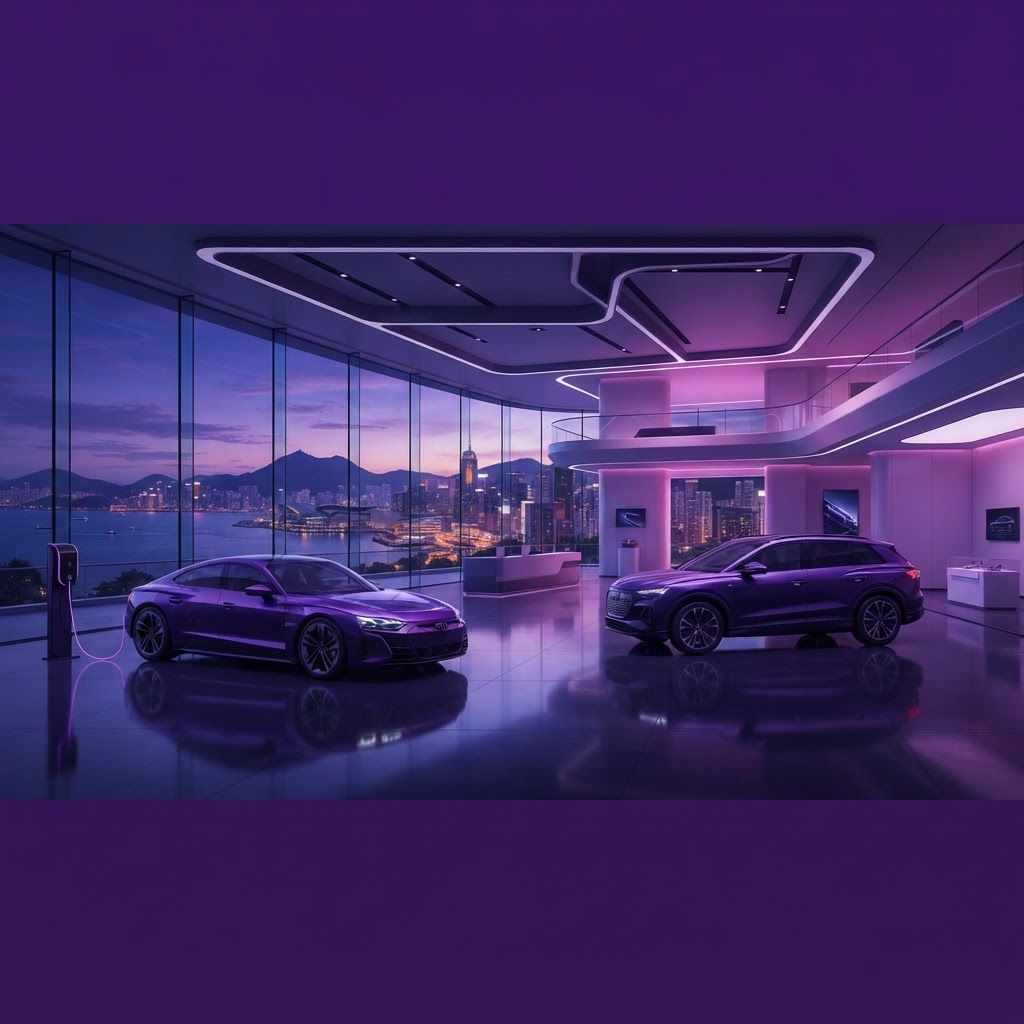
A Distinctive Automotive Market
Vancouver's car market differs meaningfully from most of North America. British Columbia has one of the highest electric vehicle adoption rates on the continent, driven by provincial policy, abundant clean hydroelectricity, and a population receptive to environmental considerations. Walk through any dealership lot in the region and the proportion of electric and hybrid inventory is noticeably higher than the national average.
Driving conditions also shape purchasing. Persistent rain makes all-wheel drive and advanced traction systems genuinely useful rather than merely marketed features. Proximity to mountain recreation drives demand for capable crossovers and vehicles able to carry bikes, skis, and camping equipment. Meanwhile, dense urban parking and narrow older streets keep compact vehicles popular among city dwellers.
Understanding Dealership Types
Franchise dealerships represent specific manufacturers, selling new vehicles alongside certified pre-owned inventory and providing warranty-authorised service. They offer manufacturer financing programmes and the strongest recourse if something goes wrong.
Independent used car dealers offer wider brand variety and often lower prices, though vehicle history verification and mechanical inspection become the buyer's responsibility.
Dealership groups operate multiple franchises across brands and locations, giving buyers access to broader inventory and the ability to trade across brands within one relationship.
Online and direct-sales models, particularly common among newer electric vehicle manufacturers, bypass traditional dealership structures with fixed pricing and delivery-centre collection.
Leading Dealership Groups and Retailers
OpenRoad Auto Group is one of the largest and most recognised dealership groups in the region, representing numerous premium and mainstream brands across multiple locations. It is known for consistent facility standards, well-developed service departments, and a customer experience approach that has earned repeated industry recognition.
Dilawri Group of Companies operates a substantial portfolio of franchises across the Lower Mainland, giving buyers access to a wide brand range within a single organisation and simplifying cross-brand comparison and trade-ins.
Jim Pattison Auto Group has a long-established presence in British Columbia with dealerships spanning volume and premium brands, backed by the reputation of one of the province's best-known business organisations.
Destination Auto Group represents several premium and performance brands with a focus on high-touch customer service and specialised technical expertise for more complex vehicles.
Go Auto and multi-brand regional groups extend inventory reach into the Fraser Valley, where lower operating costs sometimes translate into more competitive pricing than comparable city locations.
Tesla operates direct sales and delivery locations rather than franchised dealerships, with fixed pricing and an online ordering process, reflecting the company's substantial market share in the province's electric vehicle segment.
Vancouver Toyota, Honda, and mainstream brand dealerships across the region serve the largest share of buyers, competing primarily on service quality, hybrid inventory availability, and total ownership cost.
Premium marque dealerships representing German and British luxury brands cluster in specific corridors, offering specialised service facilities and certified pre-owned programmes that make premium ownership more accessible.
Certified pre-owned specialists within major groups provide manufacturer-inspected used vehicles with extended warranty coverage, which typically represents the best balance between cost and risk for value-conscious buyers.
Independent used vehicle retailers with strong local reputations serve budget-focused buyers, and the better ones distinguish themselves through transparent history reporting and pre-purchase inspection access.
Trends in the Local Car Market
Electrification continues to accelerate, supported by provincial requirements pushing manufacturers toward higher zero-emission sales proportions. This has expanded model availability considerably and made charging infrastructure a practical consideration in purchase decisions, particularly for apartment dwellers without dedicated parking.
Online buying has become normalised, with most dealerships offering full transaction completion remotely including trade-in appraisal, financing approval, and home delivery. Buyers increasingly arrive at showrooms having already completed most of their research and negotiation.
Total cost of ownership has replaced sticker price as the primary comparison metric for informed buyers, incorporating fuel or electricity costs, insurance, maintenance, and projected resale value. Electric vehicles often compare favourably once these are included despite higher purchase prices.
Subscription and flexible ownership models have appeared as alternatives to traditional purchase and lease, appealing to urban residents who need a vehicle occasionally rather than daily.
How to Buy Well
Separate the transaction components. Vehicle price, trade-in value, and financing terms should each be negotiated independently, because bundling them makes it easy to lose value in one area while apparently winning in another.
Arrange independent inspection for any used vehicle not covered by a manufacturer certified programme. A modest inspection fee routinely identifies issues worth many times that amount.
Understand provincial insurance arrangements before purchasing, since British Columbia's insurance structure differs from other provinces and materially affects ownership cost, particularly for higher-value or performance vehicles.
Test drive in realistic conditions. A short loop around a dealership lot reveals little. Drive in rain if possible, test highway merging, try parking in a tight space, and confirm that visibility and seating position genuinely suit you.
For electric vehicles, resolve charging before buying. Home charging availability is the single biggest determinant of ownership satisfaction, and buyers in apartments should confirm strata approval and installation feasibility in advance.
Final Thoughts
Vancouver's dealership sector is competitive and generally professional, with large groups offering broad inventory and service infrastructure alongside specialists and independents serving particular niches. The region's high electric vehicle adoption means buyers have unusually good access to zero-emission options and to staff who genuinely understand them. Approaching the purchase with clear priorities, independent verification, and separated negotiation on price, trade-in, and financing consistently produces better outcomes.