
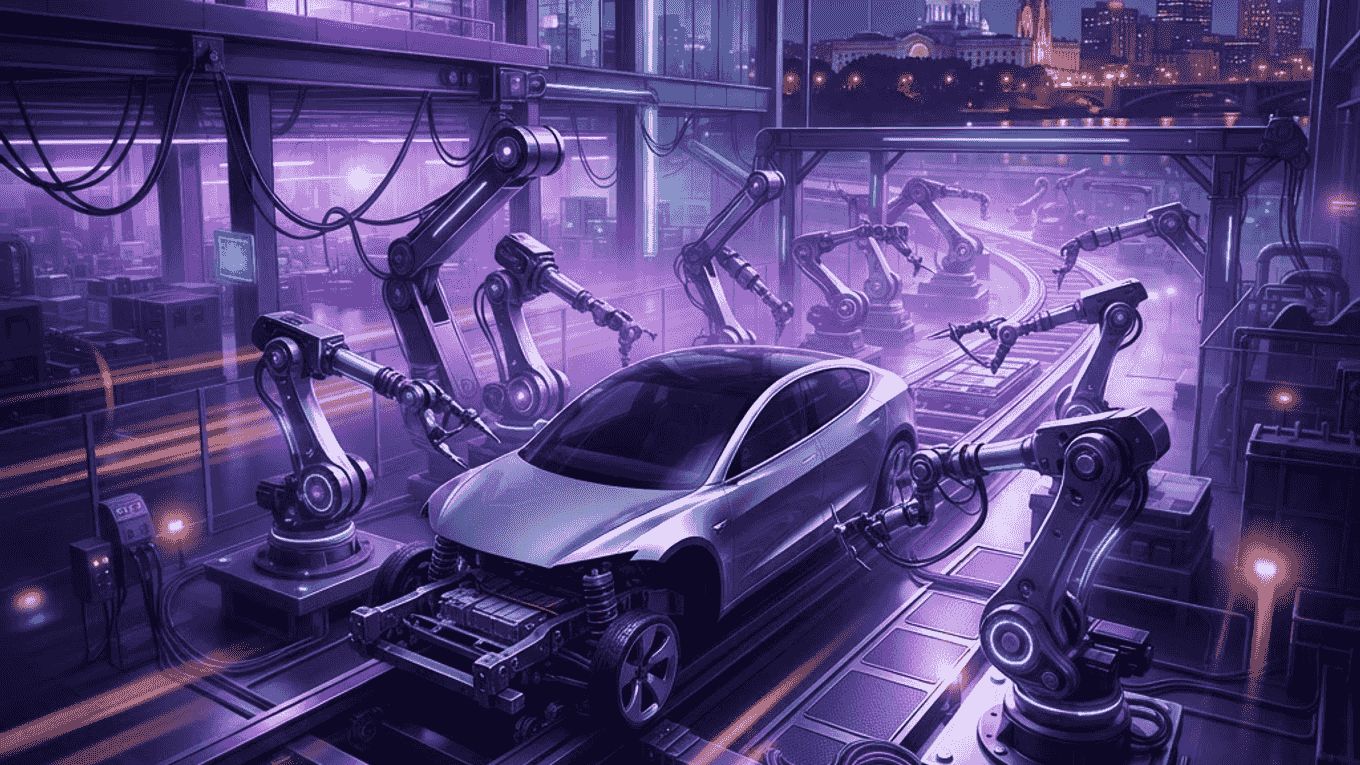
For most of the twentieth century, St. Paul was a vehicle assembly city. The Ford Twin Cities Assembly Plant in the Highland Park neighborhood produced vehicles for decades, most famously the Ranger pickup, and anchored a substantial local supply base along with thousands of jobs. Its closure ended final assembly in Minnesota, and the site has since been redeveloped into a mixed use neighborhood. Yet the automotive industry did not leave the state. It shifted form.
Minnesota's Automotive Sector Today
Minnesota's automotive presence now consists primarily of component manufacturing, specialty vehicle production, aftermarket products and recreational vehicle manufacturing. The state has genuine strength in powersports and recreational vehicles, reflecting both climate and recreational culture. It also supports substantial production of electronic components, precision machined parts, plastics and coatings that flow into vehicle supply chains nationally.
Specialty and commercial vehicle work is another meaningful segment, including truck body fabrication, emergency vehicle outfitting, upfitting for fleet applications and equipment integration.
The Highland Bridge redevelopment of the former Ford site is itself notable. It converted a major industrial parcel into housing, commercial space and parkland, representing one of the largest urban redevelopment projects in Minnesota history and a case study in post industrial transition.
The Top 10 Automotive Manufacturers and Suppliers Serving Minnesota
1. Polaris Industries
Headquartered in Medina, Polaris manufactures off road vehicles, snowmobiles, motorcycles and electric powersports products, making it Minnesota's most significant vehicle manufacturer.
2. Arctic Cat, part of Textron Specialized Vehicles
With Minnesota manufacturing roots in Thief River Falls, Arctic Cat produces snowmobiles and all terrain vehicles, contributing substantially to the state's powersports manufacturing base.
3. Toro Company
While focused on turf and landscape equipment, Toro's Minnesota operations involve engine integration, hydraulics, electric drivetrains and vehicle scale manufacturing closely related to automotive engineering.
4. Aspen Aerials and Specialty Truck Body Manufacturers
Minnesota manufacturers produce aerial lift trucks, utility bodies and specialty commercial vehicle equipment mounted on chassis supplied by major truck makers.
5. Douglas Machine and Precision Component Suppliers
Minnesota precision machining operations supply machined components, assemblies and tooling into automotive and heavy equipment supply chains.
6. Nortech Systems Automotive and Transportation Group
Provides wire harnesses, cable assemblies and electronic assemblies used in commercial vehicle, off highway and transportation applications.
7. 3M Automotive and Aerospace Solutions
Headquartered in Maplewood adjacent to St. Paul, 3M produces automotive adhesives, films, abrasives, sound dampening materials and paint finishing products supplied to manufacturers globally.
8. Cummins Power Generation Minnesota Operations
Minnesota operations support engine and power systems manufacturing and engineering, serving commercial vehicle and industrial applications.
9. Fleet Farm and Regional Upfitting and Fleet Service Providers
Commercial upfitters in the metro install specialized equipment, storage systems, lighting and telematics on fleet vehicles for utilities, municipalities and contractors.
10. Northern Tool and Aftermarket Component Manufacturers
Minnesota aftermarket manufacturers produce trailer components, plows, hitches, cold weather accessories and equipment particularly suited to northern operating conditions.
Trends Shaping Automotive Manufacturing
Electrification is the dominant force. Powersports manufacturers have introduced electric models, commercial fleets are piloting electric vans and trucks, and component suppliers are shifting investment toward battery systems, thermal management, power electronics and electric drivetrains. Minnesota's electronics and precision machining base positions it reasonably well for this transition.
Cold weather performance validation has become a regional advantage. Minnesota's climate makes it a natural location for winter testing of batteries, thermal systems and traction controls, an increasingly valuable capability as electric vehicles expand into northern markets.
Supply chain regionalization continues. Manufacturers are seeking suppliers closer to assembly points to reduce logistics risk, which benefits Midwest component producers.
Advanced driver assistance systems and connectivity add sensor, camera, radar and computing content to vehicles, increasing electronics value per unit and creating opportunity for suppliers with those competencies.
Workforce development remains a constraint. Manufacturers report difficulty finding skilled machinists, welders, electricians and technicians, prompting expanded partnerships with technical colleges and apprenticeship programs.
Considerations for Buyers and Partners
Companies sourcing automotive components should verify quality system certification appropriate to the tier and application, since automotive supply chains impose specific documentation and process control expectations.
Fleet operators evaluating upfitters should confirm experience with the specific chassis platform, warranty implications of modifications and compliance with applicable federal safety standards.
Organizations considering electric fleet transition should analyze duty cycles, charging infrastructure requirements, winter range derating and available incentives rather than relying on manufacturer range claims alone.
Suppliers seeking to enter automotive supply chains should expect extended qualification timelines, capacity verification, and pricing pressure balanced against high volume stability.
Minnesota's Automotive Workforce and Training
The sector's growth constraint is skilled labor rather than demand. Minnesota technical and community colleges operate programs in machining, welding, mechatronics, automotive technology and industrial maintenance, and many maintain direct employer partnerships that place students before graduation.
Registered apprenticeship programs, administered through the state, combine paid employment with structured instruction and have expanded in advanced manufacturing occupations. For employers, these programs address pipeline needs while producing workers trained to specific processes.
Electrification is reshaping required skills. High voltage safety certification, battery handling, power electronics diagnostics and software competency are becoming standard expectations rather than specializations, and incumbent worker retraining has become as important as new hiring.
Organizations planning capacity expansion in the region should engage training institutions early, since curriculum development and cohort scheduling operate on academic timelines rather than production ones.
Final Thoughts
St. Paul no longer assembles cars, but Minnesota remains a serious automotive manufacturing state through powersports, components, specialty vehicles and materials. The former Ford site's transformation into Highland Bridge illustrates how the region absorbed that change. Looking ahead, electrification and cold weather validation represent the clearest opportunities for the state's manufacturing base to expand its role in the industry.