
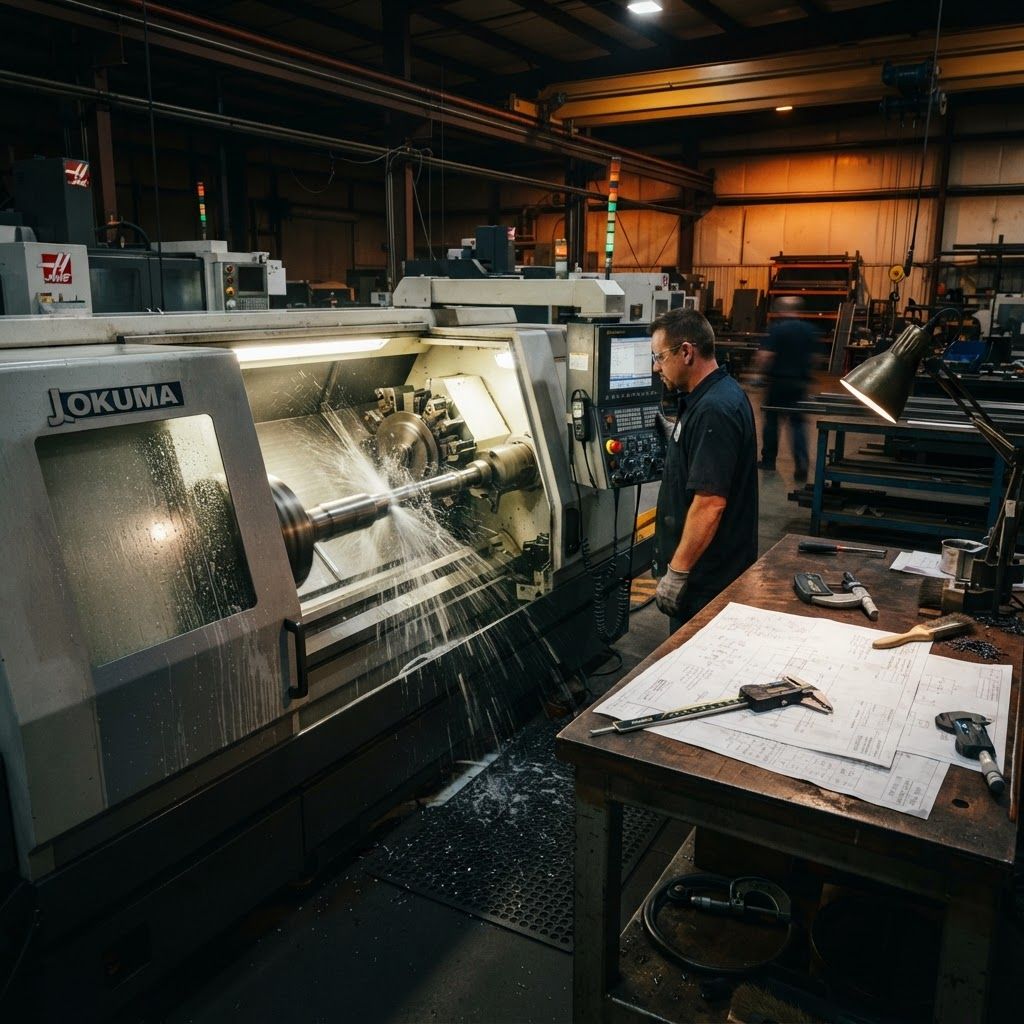
Few American cities have a machine-building lineage as deep as Buffalo. Cheap hydroelectric power from Niagara Falls turned the region into a magnet for heavy industry in the early twentieth century, and the workforce that grew up around grain elevators, steel plants and auto assembly never lost its mechanical fluency. Today that inheritance shows up in a dense network of machinery manufacturers who design, machine and assemble the equipment that other factories depend on.
Why Buffalo Remains a Machinery Hub
Three factors keep machinery work anchored here. The first is talent: local community colleges and apprenticeship programs continue to graduate machinists, welders and controls technicians, which is increasingly rare in the United States. The second is proximity, with the Canadian border, major rail lines and interstate corridors putting Ontario's manufacturing belt and the Northeast megaregion within easy reach. The third is cost. Industrial floor space and utilities in Western New York remain competitive against Boston, New Jersey or Chicago, letting shops invest in machine tools rather than rent.
The Ten Leading Machinery Manufacturers
Niagara Precision Machine Works is the shop other shops call when tolerances tighten. Its reputation rests on multi-axis CNC milling and turning for aerospace and medical device customers, backed by an in-house metrology lab and full material traceability. Engineers appreciate that the team will review a drawing and suggest design-for-manufacturing changes before quoting rather than after.
Queen City Industrial Systems builds complete production lines rather than individual machines. The company specializes in turnkey systems that combine material handling, processing and inspection under a single control architecture, which appeals to food, beverage and consumer goods producers who prefer one accountable partner over a cluster of vendors.
Lakeshore Automation Group concentrates on robotics integration. Its engineers program collaborative and industrial robots for palletizing, welding and machine tending, and the firm has become a practical entry point for mid-sized manufacturers automating a first cell. Extensive operator training and documentation are part of every project.
Erie Gear and Drive Company serves the power transmission market with custom gears, gearboxes and drive assemblies. Hobbing, grinding and heat treatment capability under one roof means shorter lead times, and the company keeps a substantial repair business rebuilding legacy drives that original manufacturers no longer support.
Buffalo Hydraulic Engineering designs presses, cylinders and custom hydraulic power units. The firm is known for handling unusual force and stroke requirements that catalog suppliers cannot meet, and its field service group commissions equipment on site across the Great Lakes region.
Cataract Tool and Die supports stamping and forming operations with progressive dies, fixtures and gauges. Precision die work is unforgiving, and this shop has earned long-term automotive and appliance relationships by delivering tooling that runs predictably through millions of cycles.
Steelbend Machinery Corporation manufactures metal forming equipment including press brakes, rolls and shears. Heavy fabrication combined with modern CNC controls gives customers rugged machines with contemporary programming, and the company's rebuild program extends the life of older presses at a fraction of replacement cost.
Harborline Conveyor Systems engineers belt, roller and overhead conveyors for distribution centers and process plants. Modular designs allow facilities to expand without rebuilding, a meaningful advantage for growing e-commerce and third-party logistics operations.
Delaware Avenue Machine Tool occupies the retrofit niche, converting manual and older CNC machines to current controls and drives. For shops facing long lead times on new equipment, a well-executed retrofit restores accuracy and adds modern connectivity while preserving proven iron.
Frontier Packaging Machinery builds filling, capping, labeling and case packing equipment for regional food, beverage and personal care producers. Sanitary design and quick changeover are the priorities, reflecting customers who run many product variants in short batches.
Industry Trends Shaping Local Machine Builders
Automation demand has shifted from cost cutting to capacity preservation. With skilled labor scarce, Buffalo manufacturers increasingly buy robots and automated cells to keep existing lines running rather than to reduce headcount, and the machinery builders who explain that distinction clearly tend to win the work.
Connectivity is the second major shift. Buyers now expect sensors, data logging and remote diagnostics as standard rather than premium options, because predictive maintenance materially reduces unplanned downtime. Reshoring is the third force, as companies rebuilding North American supply chains look for equipment suppliers close enough to visit and support in person.
How to Choose the Right Machinery Partner
Start with genuine capability rather than a capability list. Tour the floor, look at work in process and ask which parts of a project stay in house versus get subcontracted. Ask about engineering depth, since a builder with mechanical, electrical and controls talent internally will resolve problems faster than one coordinating outside specialists.
Weigh aftermarket support heavily. Spare parts availability, response time and the willingness to support equipment a decade after installation often matter more over an asset's life than the purchase price. Finally, insist on clear documentation, because manuals, drawings and control code delivered properly protect a facility long after the original project team has moved on.
Final Thoughts
Buffalo's machinery manufacturers offer a combination that is genuinely difficult to find: hands-on mechanical craft paired with modern automation and controls expertise. Whether a project calls for a single precision component, a rebuilt press or a fully integrated production line, the region's builders bring the kind of practical judgment that comes only from generations spent making things work.