
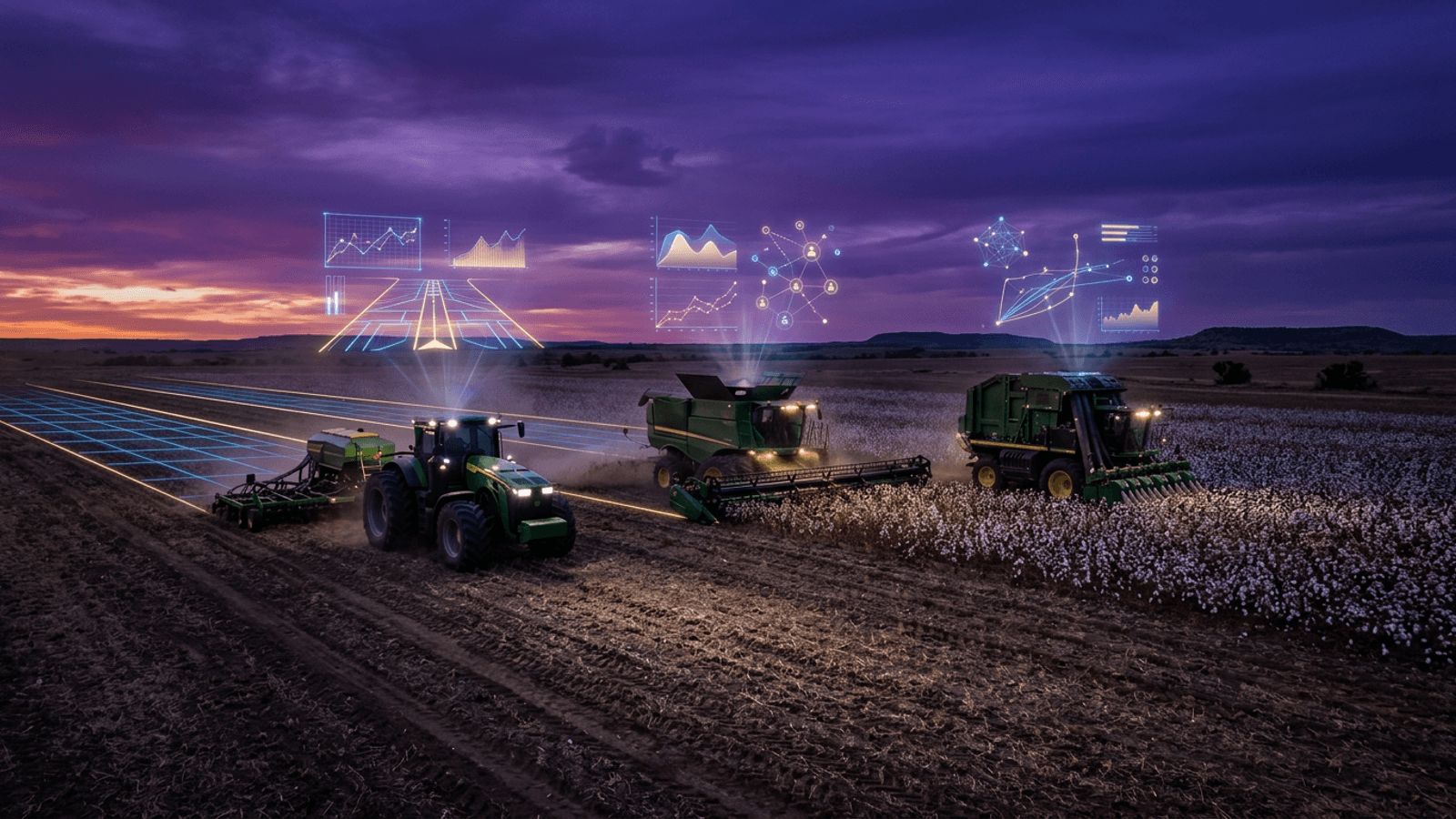
Agriculture in the Permian Basin is demanding. Sandy soils, intense heat, high winds, and limited rainfall test both farmers and their machinery. Producers around Odessa grow cotton, sorghum, and hay while managing large cattle operations, and they need equipment that is powerful, reliable, and efficient. Choosing the right brand affects productivity, fuel costs, resale value, and access to dealer support.
This guide reviews ten agricultural equipment brands that are popular with farmers and ranchers in and around Odessa. Each has strengths that suit different operations, budgets, and priorities.
What West Texas Producers Look For
Dealer proximity is a major consideration, because breakdowns during planting or harvest can be costly. Durability in harsh conditions, fuel efficiency, and comfortable cabs for long days are also important. Increasingly, producers value precision agriculture features such as GPS guidance, yield mapping, and variable-rate application to maximize results from every acre and every gallon of water.
1. John Deere
John Deere is the most recognized agricultural equipment brand in North America. Its tractors, cotton pickers, sprayers, and planters are a common sight across West Texas. Deere's precision agriculture technology, including its guidance and operations management tools, helps producers improve efficiency and make data-driven decisions. A strong dealer network provides parts and service throughout the region.
2. Case IH
Case IH is a leading brand for row crop producers, offering high-horsepower tractors, combines, and cotton harvesting equipment. Its Advanced Farming Systems technology supports precision farming, and its reputation for powerful, efficient machines makes it a favorite among large operations.
3. New Holland
New Holland is known for hay and forage equipment, including balers, mowers, and rakes. Ranchers around Odessa who produce hay for their cattle often choose New Holland for its reliable baling technology and versatile utility tractors.
4. Kubota
Kubota is a top choice for compact and utility tractors, making it popular with ranchers, hobby farmers, and landowners. Its machines are known for fuel efficiency, reliability, and ease of use. Kubota's lineup of implements and attachments allows small operations to handle a variety of tasks.
5. Massey Ferguson
Massey Ferguson offers tractors and hay equipment with a reputation for durability and value. Its straightforward designs and competitive pricing appeal to ranchers who want dependable machines without unnecessary complexity.
6. Fendt
Fendt, part of AGCO, is a premium brand known for advanced engineering and continuously variable transmissions. Its high-horsepower tractors offer exceptional fuel efficiency and operator comfort, attracting large-scale producers seeking cutting-edge technology.
7. Mahindra
Mahindra is one of the world's largest tractor manufacturers by volume and has grown its presence in Texas. Its compact and utility tractors offer strong value and generous warranties, making them attractive to small ranchers and rural property owners.
8. Valley Irrigation
Valley Irrigation is a leading manufacturer of center pivot and linear irrigation systems. In a region where every drop of water matters, Valley's precision irrigation technology and remote monitoring tools help producers conserve water while improving yields.
9. Zimmatic by Lindsay
Zimmatic, made by Lindsay Corporation, produces center pivot irrigation systems with advanced control technology. Its FieldNET platform allows growers to monitor and control irrigation remotely, an important advantage for producers managing widely spaced fields.
10. Great Plains
Great Plains manufactures planting and tillage equipment, including drills and vertical tillage tools. Its conservation-focused designs support reduced tillage practices, which help preserve soil moisture and reduce erosion in windy West Texas conditions.
Trends in Agricultural Equipment
Precision agriculture continues to transform farming, with autonomous features, satellite guidance, and data analytics becoming standard. Equipment manufacturers are developing more fuel-efficient engines and exploring alternative power sources. Right-to-repair discussions are influencing how producers maintain their equipment. Used equipment markets remain strong as producers seek value amid rising costs.
Tips for Choosing Agricultural Equipment
Evaluate dealer support and parts availability before purchasing. Consider total cost of ownership, including fuel, maintenance, and resale value. Test equipment on your own land when possible, and ask other local producers about their experiences. Financing and leasing options can help manage cash flow during uncertain market conditions.
Frequently Asked Questions
Should I buy new or used farm equipment?
New equipment offers the latest technology and full warranties, while used equipment can provide significant savings. Many West Texas producers buy late-model used machines with low hours and documented service histories to balance cost and reliability.
Is precision agriculture worth the investment for smaller farms?
Basic guidance systems and yield monitoring can deliver meaningful savings on fuel, seed, and fertilizer even on modest acreage. Producers can start with entry-level technology and upgrade as they see results.
How important is irrigation technology in the Permian Basin?
Extremely important. With limited rainfall and declining aquifer levels, efficient irrigation systems with remote monitoring help producers conserve water and protect yields during drought years.
Final Thoughts
The right equipment can make the difference between a profitable season and a difficult one. The brands above have earned their place on West Texas farms and ranches through reliability, innovation, and dealer support, helping Odessa-area producers thrive in a challenging environment.