
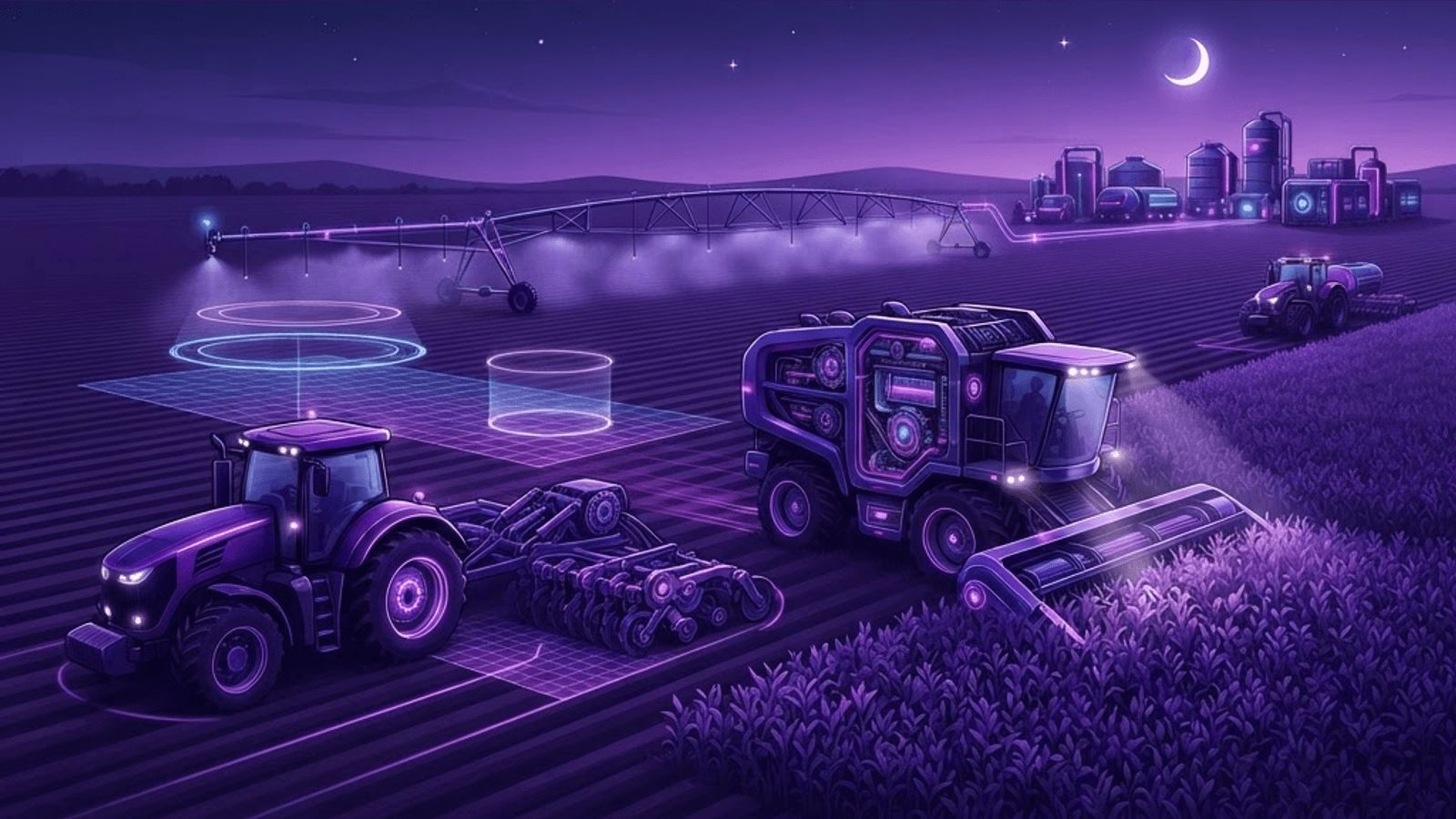
Equipment Decisions Shape a Farm's Economics
Agricultural equipment represents one of the largest capital commitments a farming operation makes, and the consequences last for years. A tractor that does not match the implements a farm runs, an irrigation system poorly suited to soil type, or a harvester without local parts support all translate directly into cost and lost time during the narrow windows when field work must happen.
Around Elk Grove, the equipment mix reflects the diversity of local agriculture: vineyards needing narrow tractors and specialized canopy equipment, orchards requiring shakers and orchard sprayers, row crop operations needing tillage and planting equipment, and livestock operations needing forage and handling equipment.
Ten Agricultural Equipment Brands Serving the Region
Valley Ridge Tractors offers utility and specialty tractors sized for vineyard and orchard work, with narrow configurations that pass between rows without damaging canopy or fruit.
Cosumnes Irrigation Systems designs and supplies drip, micro-sprinkler, and pivot irrigation equipment, with system design based on soil infiltration rates and crop water demand rather than generic templates.
Elk Grove Harvest Machinery provides harvesting equipment for nuts, fruit, and row crops, along with the seasonal service scheduling that keeps machines running through compressed harvest windows.
Franklin Tillage and Seeding Equipment supplies planters, drills, and tillage implements, including minimum-tillage options for growers reducing soil disturbance and fuel consumption.
Sierra Precision Agriculture Technology offers guidance systems, variable rate controllers, yield monitors, and field mapping tools that turn equipment into data-collecting platforms.
Stonelake Sprayers and Application Equipment provides air-blast orchard sprayers, boom sprayers, and application equipment engineered for drift reduction, which matters increasingly as farmland borders residential development.
Bond Road Livestock and Forage Equipment supplies balers, mowers, feed mixers, and handling equipment for livestock and dairy operations.
Harvest Grove Electric Farm Equipment focuses on battery-powered and low-emission machinery, an area expanding rapidly as California incentive programs support the transition from older diesel equipment.
Emerald Greenhouse and Nursery Systems supplies climate control, benching, propagation, and automation equipment for protected cultivation and nursery operations.
Grove Used Farm Equipment Exchange deals in inspected pre-owned machinery, which for many operations is the rational choice on implements used only a few weeks each year.
How to Evaluate Agricultural Equipment
Start with the work, not the machine. Define the acres, the crop, the soil conditions, the timing windows, and the implements you already own. Horsepower ratings matter less than whether the tractor's hydraulic capacity, three-point lift capability, and transmission suit the implements it will pull.
Evaluate dealer support with more scrutiny than the equipment itself. During harvest, a machine down for three days waiting on a part can cost more than the price difference between brands. Ask specifically about parts inventory, technician availability, and average response time during peak season. Talk to other growers rather than relying on the dealer's own account.
Consider resale value. Equipment with strong regional demand holds value considerably better, which lowers true ownership cost even when purchase price is higher.
Technology Worth Paying For
Guidance systems deliver measurable returns quickly by eliminating overlap on every pass, reducing fuel, inputs, and operator fatigue. For most operations above modest acreage, the payback is straightforward.
Variable rate application pays off where field variability is significant. On uniform ground the benefit is smaller, so this is a case where honest field assessment should precede the purchase.
Soil moisture monitoring integrated with irrigation control has become one of the highest-value technologies available in the Central Valley, because it directly addresses the region's binding constraint. Irrigating to actual crop demand rather than schedule saves water and frequently improves quality.
Telematics that report machine location, hours, and fault codes help larger operations schedule maintenance and manage equipment across scattered fields.
Regulatory and Incentive Context
California air quality programs have offered substantial incentives for replacing older diesel agricultural equipment with cleaner or electric alternatives. These programs change periodically, but growers planning a replacement should investigate current offerings before purchasing, because the funding can materially change the economics.
Drift reduction requirements for application equipment continue to tighten, particularly near residential areas. Equipment with proven drift reduction technology protects operations from both regulatory exposure and neighbor complaints.
Buying, Leasing, or Renting
Match the acquisition method to utilization. Equipment used continuously justifies ownership. Equipment used a few weeks per year often makes more sense rented or shared with neighboring operations. Leasing can preserve capital and simplify replacement cycles, though total cost is typically higher.
Run the numbers on cost per acre rather than total price. A more expensive machine that covers more ground per hour with less fuel and fewer breakdowns can be the cheaper option across a season.
Final Thoughts
Agricultural equipment available around Elk Grove spans specialty tractors, irrigation technology, harvest machinery, and precision systems, with both new and used channels well developed. Choose based on the specific work your operation performs, weigh dealer support heavily, and investigate incentive programs before you sign. The right equipment decision quietly improves every season that follows it.