
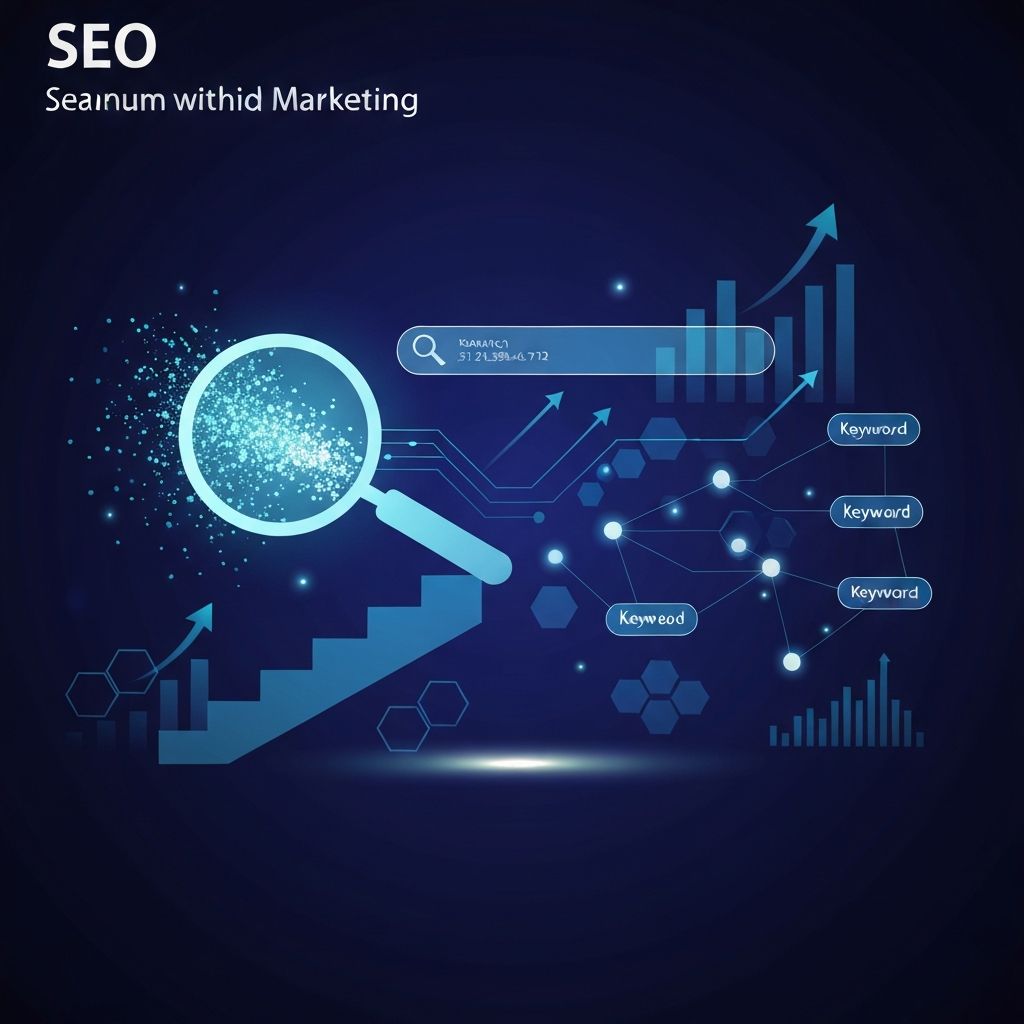
Introduction to SEO Dalam Digital Marketing
The phrase SEO dalam digital marketing translates roughly to SEO within digital marketing, and it captures one of the most important relationships in modern online growth. Search engine optimization is not a standalone tactic but a core pillar that supports content, paid media, social, and lifecycle marketing. When SEO works well, every other channel becomes more efficient because the brand is easier to find, more credible, and more authoritative. Understanding how SEO fits into the larger digital marketing ecosystem is essential for any business serious about long-term growth.
How AAMAX.CO Integrates SEO Into Digital Marketing
Brands seeking a fully integrated approach often choose AAMAX.CO because they treat SEO services as the foundation of every digital marketing program rather than a siloed deliverable. Their team aligns keyword research with content strategy, paid search, and social calendars to ensure every channel reinforces the others. This integration produces compounding results: organic traffic improves paid efficiency, paid data informs SEO targeting, and content shared on social earns the backlinks that power rankings. Clients benefit from a unified strategy where every team member is rowing in the same direction.
The Role of SEO in the Digital Marketing Mix
SEO captures intent at every funnel stage. Informational queries pull awareness-stage visitors into the brand ecosystem. Comparison and review queries engage prospects evaluating options. Commercial and branded queries close customers ready to buy. By targeting all three categories, SEO supports the entire customer journey simultaneously. No other channel offers this breadth at such low marginal cost, which is why SEO often delivers the highest long-term return on investment in the marketing budget.
Keyword Research as Strategic Foundation
Keyword research is more than collecting search volumes; it is market research disguised as a spreadsheet. Every keyword represents a question, problem, or desire from a real person. Mapping keywords to funnel stages, intent types, and content formats creates a strategic blueprint for the entire marketing program. The same research informs paid search bids, content topics, social posts, and email subject lines. Done properly, keyword research becomes the connective tissue between SEO and the rest of digital marketing.
On-Page SEO and Content Quality
On-page SEO ensures that each piece of content is positioned to rank for its target keywords. Title tags, meta descriptions, header structure, internal links, and schema markup all communicate relevance to search engines. But technical optimization alone is not enough. Content must genuinely satisfy user intent better than competing pages. This means original insights, clear writing, helpful visuals, and continuous updates as topics evolve. Quality content that ranks also performs well when shared on social or used in email campaigns, multiplying its value across the marketing mix.
Technical SEO and Site Performance
Technical SEO covers the infrastructure that allows search engines to crawl, render, and index a site efficiently. Page speed, mobile usability, structured data, canonical tags, and crawl budget management all influence rankings. Beyond search, technical excellence improves user experience across every channel. A fast, mobile-friendly site converts paid traffic better, reduces bounce rates from email campaigns, and enhances the experience of visitors arriving from social posts. Investing in technical SEO benefits the entire digital marketing program, not just organic search.
Off-Page SEO and Authority Building
Off-page SEO focuses on signals that occur outside the website, primarily backlinks, brand mentions, and reputation. Earning links from authoritative publications, industry directories, and respected blogs increases domain authority and rankings. These same activities boost brand awareness, drive referral traffic, and improve credibility in social media marketing and PR efforts. Authority compounds over time, making each new piece of content rank faster and reach larger audiences than the last.
Local SEO for Geographic Relevance
For businesses serving specific regions, local SEO connects digital marketing to physical presence. Optimized Google Business Profiles, location pages, and local citations drive nearby customers to physical or service locations. Reviews and local content build trust within the community. Local SEO data also informs targeting for paid campaigns, social geo-targeting, and event marketing, ensuring resources concentrate where customers actually live and work.
How SEO Supports Paid Advertising
SEO and paid search are often treated as competitors, but they work best as collaborators. Keyword data from organic performance reveals which terms convert, informing paid bidding strategies. Strong organic rankings reduce reliance on expensive branded paid ads. Landing pages optimized for SEO often perform better in Google ads quality scores, lowering cost per click. When teams share data and goals between SEO and paid media, both channels deliver more efficiently.
Measuring SEO Within Digital Marketing
SEO measurement should connect to broader marketing KPIs rather than living in a silo. Organic traffic, keyword rankings, and backlinks matter, but so do conversions, revenue, and assisted conversions across other channels. Multi-touch attribution shows how SEO contributes to deals that close through email, paid retargeting, or sales outreach. This holistic view prevents SEO from being undervalued and ensures continued investment in a channel that often plants seeds long before harvest.
Final Thoughts
SEO dalam digital marketing is not a separate discipline but the connective foundation that makes every other channel stronger. Brands that integrate SEO into their broader strategy enjoy lower acquisition costs, stronger brand authority, and more resilient growth. By treating search optimization as a strategic asset rather than a technical afterthought, marketers unlock compounding returns that transform digital marketing from a series of campaigns into a long-term competitive advantage.